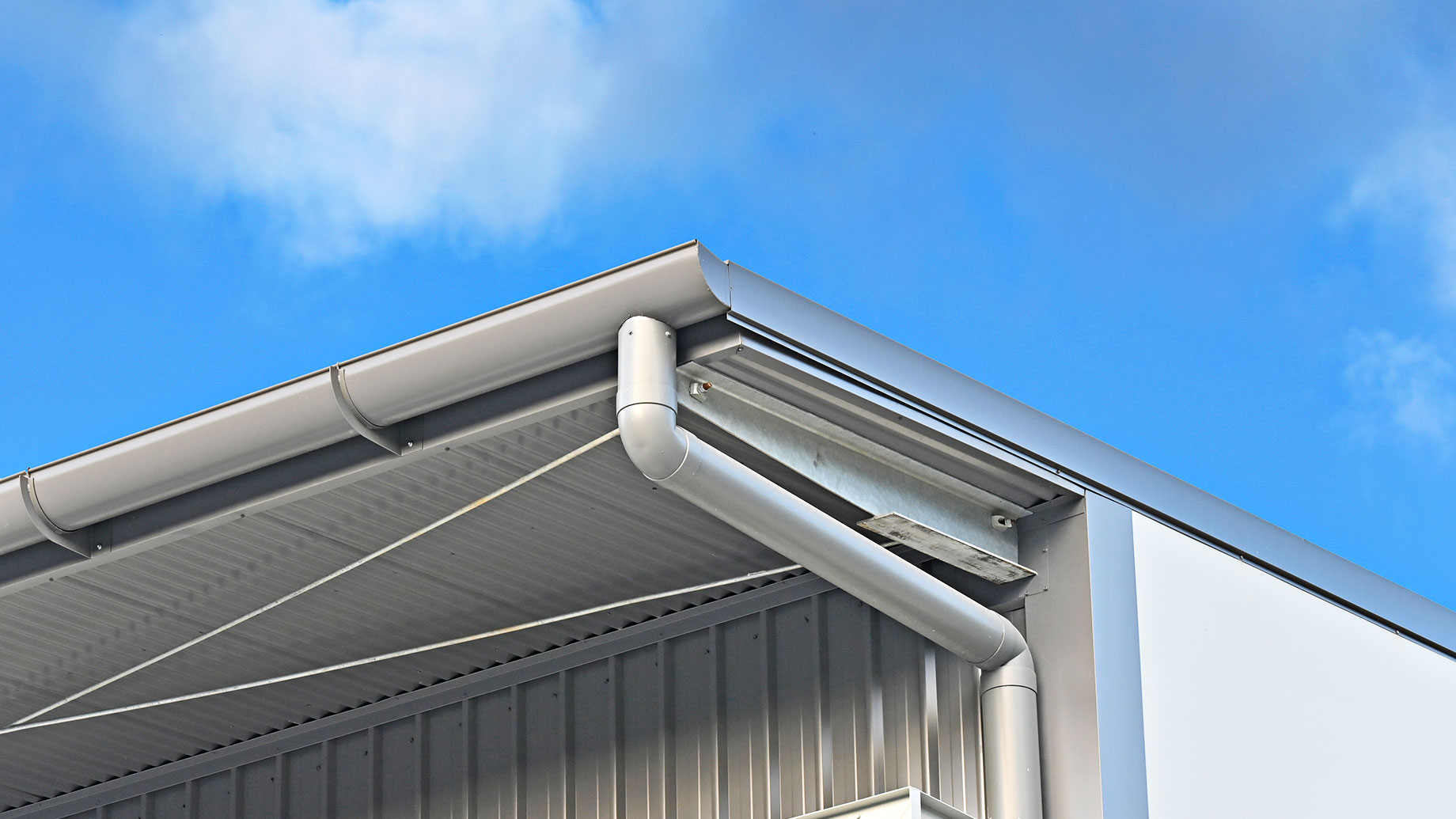
When managing a commercial property, the focus is often on the visible elements: the façade, the landscaping, and the interior layout. However, one of the most vital components for the longevity of the building is often the most overlooked: the gutter system. Unlike residential setups, commercial buildings have vast roof surface areas that collect massive amounts of rainwater. Without an effective drainage strategy, this water becomes a destructive force, threatening everything from the foundation to the safety of your tenants.
Implementing a robust gutter system is not merely a maintenance task; it is an asset protection strategy. Whether you operate a warehouse, an office complex, or a retail center, understanding the mechanics of proper water diversion is essential for avoiding costly, unforeseen repairs.
The Hidden Risks of Poor Drainage
The stakes are high when it comes to commercial water management. If rainwater is not efficiently channeled away from the structure, the consequences can be severe:
- Foundation Destabilization: When water pools around the perimeter of a building, it can erode the soil supporting the foundation, leading to cracks and settling.
- Structural Damage: Clogged or undersized gutters can cause water to back up under the roofline, rotting fascia boards and introducing moisture into the building envelope.
- Liability and Safety: In colder climates, poor drainage leads to ice dams and slippery walkways, posing a significant liability risk for business owners.
- Mold Growth: Constant moisture infiltration creates an ideal environment for mold, which can compromise indoor air quality and lead to health code violations.
Sizing and Material: It’s Not One-Size-Fits-All
Commercial gutters differ significantly from their residential counterparts. While a standard home might use 5-inch gutters, commercial facilities typically require 6-inch or larger box-style or K-style gutters to handle the increased volume of runoff.
Material selection is equally critical. Aluminum is often the “superhero” of commercial applications due to its rust resistance and durability. However, the effectiveness of these materials relies entirely on the pitch. A flat gutter is essentially a water trap; professionals typically recommend a pitch of at least 1/2 inch for every 10 feet to ensure gravity does its job effectively. For a more detailed breakdown of these technical requirements, you can refer to this commercial gutters installation guide, which humorously but accurately explains why precision is key.
The Importance of Professional Execution
Because of the scale and complexity of commercial roofs, this is not a project for general handymen. Professional commercial gutters installation requires specialized equipment to fabricate seamless troughs that fit the exact dimensions of the building, minimizing the joints where leaks often occur.
Furthermore, the installation process must account for local building codes and specific environmental stressors, such as heavy snow loads or high winds. A professional team will ensure that downspouts are strategically placed to direct water away from high-traffic areas and landscaping, preserving the building’s curb appeal and structural integrity.
Choosing a Partner You Can Trust
Selecting the right contractor is the final piece of the puzzle. You need a partner who understands the intricacies of commercial roofing systems and can offer comprehensive warranties. For property owners, finding a premier roofing company that has established a reputation for reliability is essential.
Ideally, you want to work with a team that has deep roots in the community—one that has been serving the area for decades and specializes in both residential and commercial projects. The best contractors go beyond simple installation; they focus on building long-term relationships through honesty and quality workmanship. By choosing a reputable, full-service company, you ensure that your gutter system is integrated perfectly with your roof, providing a watertight defense for your business investment.
Conclusion
Your commercial property is a significant investment, and water is its most persistent enemy. By prioritizing high-quality gutter installation and partnering with experienced professionals, you safeguard your building against the elements. This proactive approach not only prevents expensive repairs down the road but also ensures a safe, professional environment for your clients and employees.