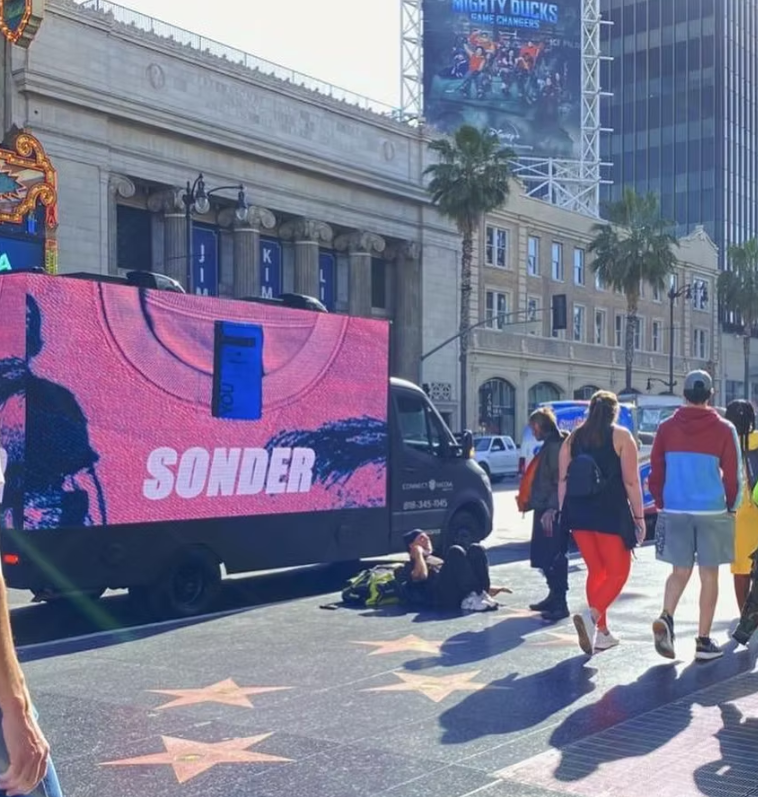
Mobile billboards have become an increasingly popular form of outdoor advertising for businesses that want to take their marketing messages directly to their target audience. Unlike traditional billboards that remain in one location, mobile advertising can travel through different neighbourhoods, business districts, event venues, and high-traffic areas. When combined with digital billboard advertising and mobile campaigns can provide brands with greater flexibility, visibility, and creative opportunities.
What Are Mobile Billboards?
Mobile billboards are advertisements displayed on vehicles such as trucks, trailers, vans, or specially designed advertising vehicles. These vehicles travel through busy areas while displaying a company’s promotional message.
The main advantage is mobility. A traditional billboard reaches people who pass a particular location, while a mobile billboard can move from one area to another throughout the day. This makes it possible for businesses to target different audiences based on location, time, and events.
For example, a restaurant launching a new menu could use a mobile billboard near shopping districts during lunch hours and move closer to entertainment areas in the evening.
Why Mobile Billboards Are Effective
Mobile advertising can attract attention because people do not necessarily expect to see a large promotional display moving through their daily environment. A professionally designed vehicle can stand out in traffic and create repeated exposure as it travels through busy streets.
Mobile billboards can also support local marketing campaigns. Businesses can choose routes near their stores, events, competitors, or areas where their target customers are likely to spend time.
Another benefit is flexibility. Campaigns can be adjusted based on specific marketing goals, making mobile advertising useful for product launches, seasonal promotions, special events, and brand awareness campaigns.
The Growth of Digital Billboard Advertising
Digital billboard advertising has changed the way businesses approach outdoor marketing. Instead of using a single static image, digital displays allow advertisers to show changing messages, graphics, and promotional content.
Digital screens can display several advertisements throughout the day, giving businesses more opportunities to customise their messaging. A company can promote different products at different times or create advertisements related to specific events.
Digital displays can also make mobile advertising more dynamic. A vehicle equipped with a digital screen can display multiple messages while travelling through different parts of a city, creating a flexible advertising platform.
Combining Mobile and Digital Advertising
Combining mobile billboards with digital technology can create an especially engaging campaign. Businesses can use moving digital displays to present high-quality visuals, animations, product images, and short promotional messages.
For example, a clothing company could promote a new collection using a digital screen mounted on a mobile vehicle. The campaign could travel through shopping districts during peak hours, increasing the chances of reaching potential customers.
This combination also allows brands to change their creative content without replacing printed materials. Businesses can update messages according to promotions, events, or campaign schedules.
Designing an Effective Mobile Billboard
The design of a mobile advertisement is extremely important. People may only have a few seconds to notice a vehicle while walking or driving, so the message should be simple and easy to understand.
A strong design should include recognisable branding, a short headline, an attractive visual, and a clear call to action. Businesses should avoid using excessive text or complicated graphics.
For digital displays, movement should be used carefully. Eye-catching animations can attract attention, but the primary message should remain clear and readable.
Reaching Specific Audiences
One of the biggest advantages of mobile advertising is the ability to target specific areas. Businesses can plan routes based on their target audience and campaign objectives.
A local retailer may focus on shopping areas, while a restaurant could target neighbourhoods with high pedestrian traffic. Event organisers can also use mobile billboards near concert venues, sports facilities, or festivals to increase awareness.
This geographic flexibility makes mobile campaigns useful for both small local businesses and larger brands.
Measuring Campaign Results
Businesses can use several methods to evaluate their advertising campaigns. Unique promotional codes, landing pages, QR codes, website traffic, and social media engagement can help measure audience response.
For digital campaigns, advertisers can also update messages based on campaign timing and promotional needs. Tracking these results can help businesses understand which locations and messages generate the strongest response.
Final Thoughts
Mobile billboards provide businesses with a flexible way to take their advertising directly to potential customers. Their ability to move through different locations makes them particularly useful for local promotions, events, product launches, and brand awareness campaigns.
At the same time, digital billboard advertising adds flexibility and visual impact through changing content and dynamic displays. By combining mobility with digital creativity, businesses can create attention-grabbing outdoor campaigns that reach audiences in multiple locations.
With the right route, design, timing, and message, mobile and digital billboard campaigns can become valuable parts of a modern outdoor advertising strategy.