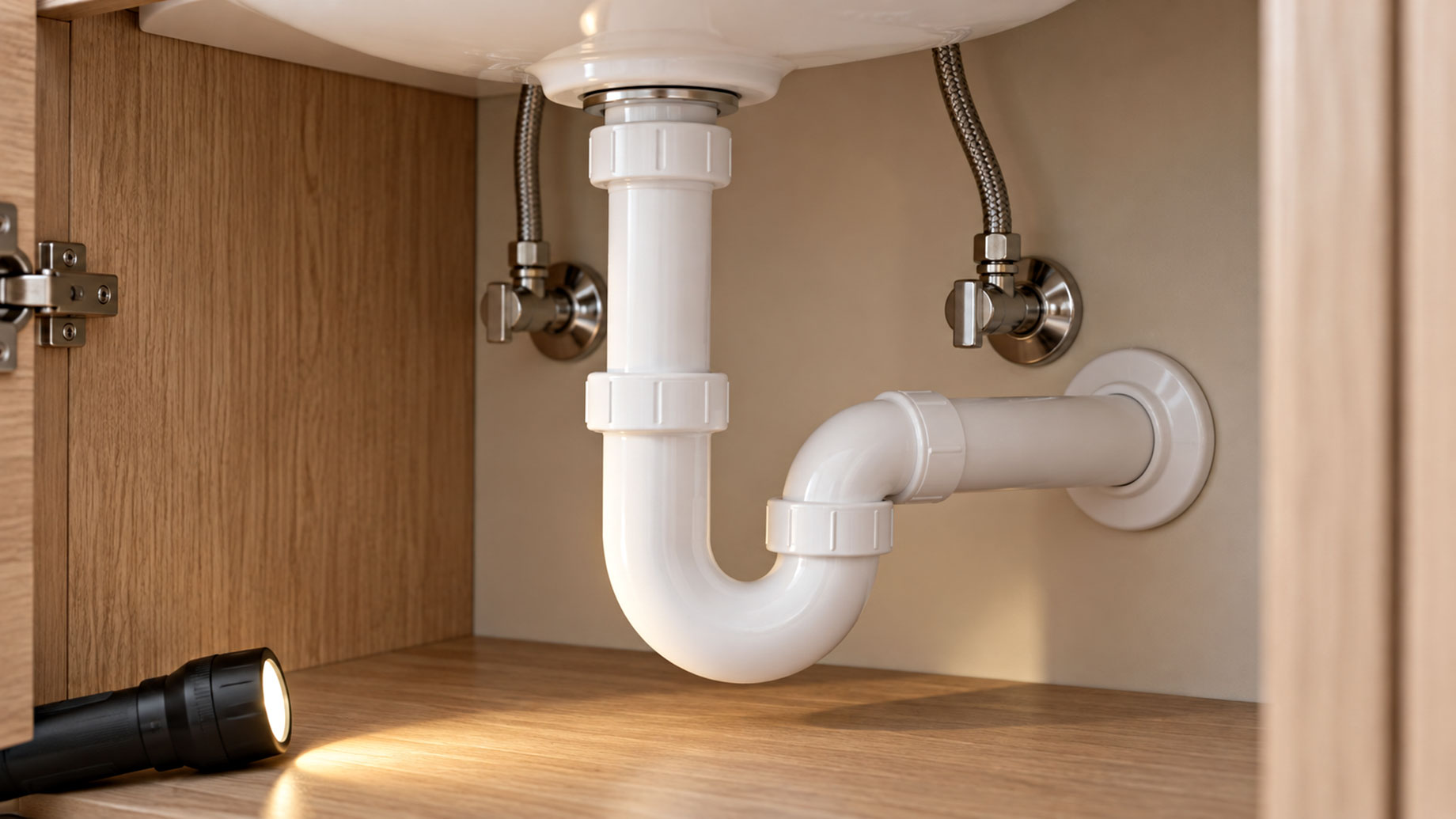
The deal-killer in most Mission Viejo home sales in California is not the price. It is the inspector kneeling under your kitchen sink with a flashlight. A clogged guest bathroom drain ranked dead last on your priority list for three years, and then a stranger with a clipboard turns it into a $4,000 credit request. You feel it in your jaw before he even finishes the sentence. That is the whole problem with deferred maintenance: it stays cheap right up until it has an audience.
Sellers who get ahead of it usually do one thing differently. They bring in plumbing services Mission Viejo and surrounding areas before the listing photos go up, not after escrow opens. It sounds like an upsell. It is closer to insurance.
The inspection report is where small drips get expensive
Here is what most sellers get wrong about the process. You are not being graded on whether your house is perfect. You are being graded on whether the buyer believes you took care of it.
A slow drain reads as neglect. A repaired drain with an invoice reads as a homeowner who stayed on top of things. Same pipe, different story, wildly different negotiating position.
In a market like Mission Viejo, where buyers are often stretching to afford the neighborhood in the first place, every line item on that report becomes ammunition. They are not haggling for sport. They are trying to preserve cash after closing.
Four things worth checking before you list
You do not need to tear the house apart. You need to look at the handful of systems buyers and inspectors actually poke at.
- Water heater age and condition. If yours is past its expected lifespan, buyers will price in a replacement whether or not it is failing.
- Any drip, stain, or discoloration under sinks, behind the washer, or near the water heater. Stains outlive the leak that caused them, and they scare people.
- Slow or gurgling drains in bathrooms you never use. They do not fix themselves while the house sits empty.
- Water pressure at the far fixtures. Weak pressure at the upstairs shower tells a buyer something is wrong even when nothing is.
Walk your own house the way an inspector will. Open cabinets. Run every faucet at once. Flush and listen. You will find at least one thing you have been ignoring, and finding it yourself is free.
What does the data say about home improvement spending?
Homeowners in the United States spend hundreds of billions of dollars a year on improvements and repairs, a figure the Bureau of Labor Statistics tracks through its consumer expenditure surveys. That number matters differently for sellers. It tells you that buyers expect a maintained house, not a project.
You are competing against other listings where the sellers did the small work. Skip it and your home becomes the comparison that makes everyone else look good.
What actually gets flagged in an inspection
| What the inspector sees | What the buyer hears | Your move |
|---|---|---|
| Discolored cabinet floor under a sink | Hidden leak, possible mold | Repair the source, document it, disclose it plainly |
| Water heater near end of life | Immediate replacement cost | Replace it or price it in before they ask |
| Slow drain in a secondary bath | Deferred maintenance everywhere | Clear it and keep the receipt |
| Low pressure at upstairs fixtures | Something bigger going on in the lines | Get it diagnosed before listing, not after |
Notice the pattern. None of these are catastrophic. All of them are negotiable, which is exactly the problem. A buyer with a list of small issues has permission to ask for a big number.
Bundle the work in one visit, not five
Most sellers schedule things one at a time as they notice them. That is the expensive way to do this, and the slow way. Line up the whole house in a single appointment. Have the water heater looked at, the drains cleared, the pressure checked, and the visible fixtures gone over in one pass. You get one invoice, one date, and one clean story to hand your agent when the buyer’s inspector starts asking questions.
One more piece of leverage most sellers forget. Under federal rules administered by the Department of Housing and Urban Development, sellers of most homes built before 1978 must disclose known lead-based paint hazards to buyers. In a city full of older ranch homes, that paperwork is routine. What is not routine is a seller who can also show recent service records for the plumbing and water systems sitting next to it. The contrast does real work at the negotiating table. I would take a documented repair history over a freshly painted garage every single time. Paint is a mood. Records are evidence.
The move most sellers make too late
The instinct to wait until after the inspection report comes back is understandable. Why spend money on problems that nobody has complained about yet? Because once the report is in the buyer’s hands, you have lost control of the timeline.
Now you are reacting under a deadline, choosing between a credit and a repair, with an agent telling you the buyer is getting nervous. Every option on that menu is worse than the one you had two weeks earlier. Getting ahead of it changes who is setting the terms. You get to decide what to fix, what to disclose, and what to price in. That is worth more than the invoice.
A pre-listing checklist you can run this week
- Run every faucet, flush every toilet, and watch what happens underneath.
- Note the age of the water heater and write it down.
- Walk the perimeter of the house and look for any sign of moisture against the foundation.
- Snap photos of anything you are unsure about and send them to your agent.
- Book one service visit for everything on the list.
- File the invoices somewhere you can find them in ten minutes during escrow.
Step six is the one people skip, and it is the one that pays. The Environmental Protection Agency and most state real estate bodies push the same idea from a different angle: document your systems, and your disclosures get simpler. Paper beats memory every time.
Paper trails sell houses
You do not need a perfect house to get a strong offer in Mission Viejo. You need a house that feels handled. Buyers forgive age, they forgive dated tile, and they forgive a lot of cosmetic sins. What they do not forgive is the suspicion that nobody has been paying attention.
So do the unglamorous thing before the sign goes in the yard. Get the systems checked, keep every receipt, and walk into escrow with answers instead of surprises. Your agent will thank you, and so will your closing statement. When was the last time anyone actually opened the cabinet under your kitchen sink?
