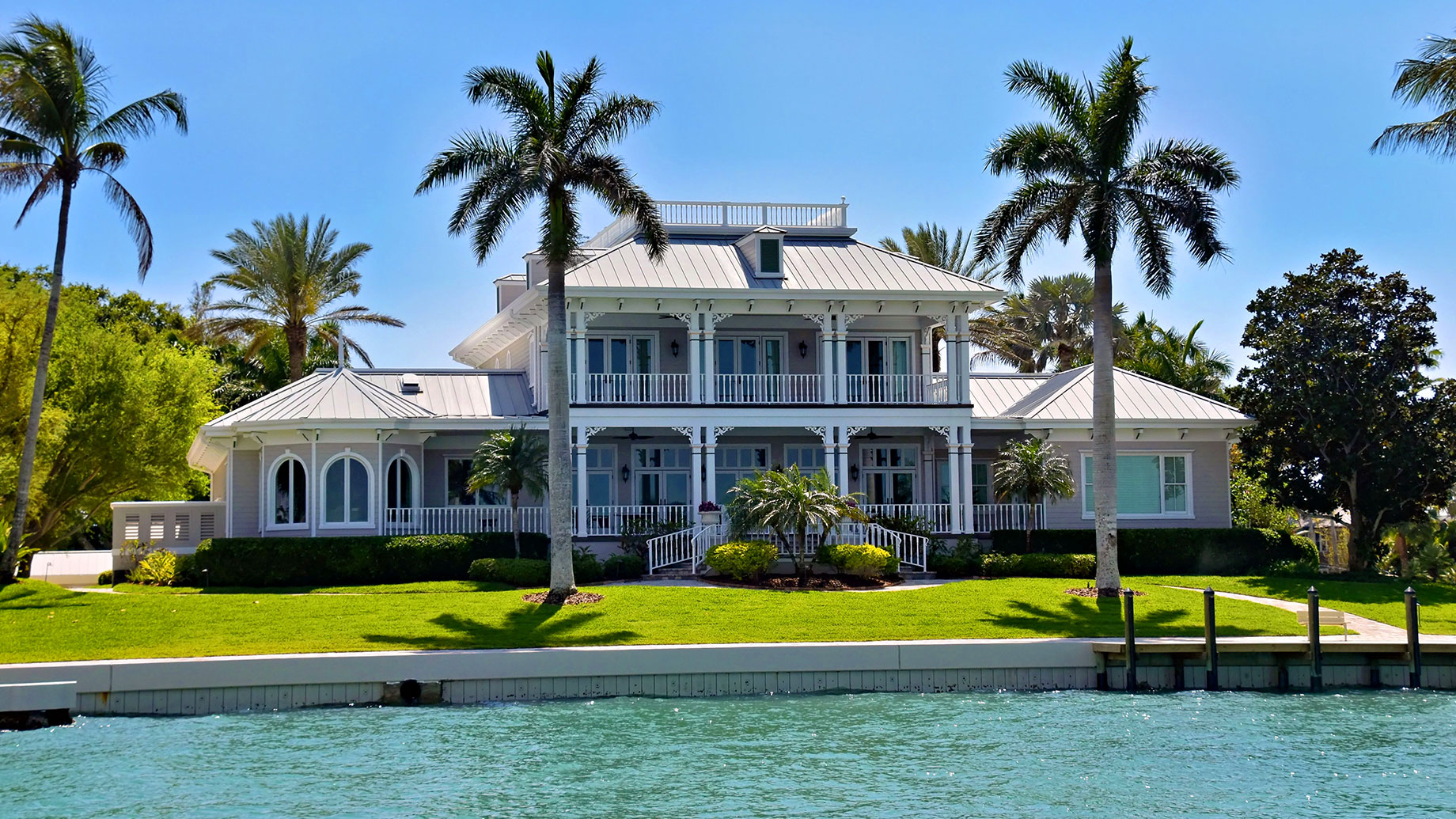
A luxury vacation home should feel effortless. You arrive, drop your bags, and the stress of everyday life fades within an hour.
Getting to that feeling takes more than a beautiful listing. Many second homes look stunning online but turn out to be hard to reach, tiring to maintain, or simply wrong for the way their owners like to travel.
Whether you are eyeing a ski chalet, an oceanfront villa, or a hillside estate abroad, these are the features that separate a home you will love for years from one you will regret.
1. A Location You Will Actually Return To
The best view in the world means little if the trip there drains you. Before falling for a property, map the full journey from your front door.
Ask yourself:
- How far is the nearest airport with direct flights from your home city?
- Is the final drive easy year-round, or do snow, traffic, or ferries complicate it?
- Would you be happy coming here for a long weekend, not just a two-week holiday?
A home that is easy to reach gets used. A home that takes a full day of travel often sits empty.
2. Privacy and Setting
At the luxury level, privacy is part of what you are paying for. Look at sight lines from neighboring homes, the distance from busy roads or beaches, and whether the property is gated or set back from public paths.
Visit at different times of day if you can. A quiet street at noon can feel very different on a Saturday night in peak season.
3. Outdoor Living That Matches the Climate
In a vacation home, much of life happens outside. A heated pool, covered terraces, an outdoor kitchen, and fire features can extend the usable season and make the home feel larger than its square footage.
Make sure the outdoor spaces suit the local weather. Deep shade matters in the tropics. Hot tubs and sheltered fire pits make more sense in the mountains.
4. Bedrooms That Work for Guests
Vacation homes tend to fill up. Adult children, friends, and extended family all want to visit.
Look for:
- Multiple bedrooms with their own bathrooms
- A guest wing or casita that gives everyone some space
- Flexible rooms, such as bunk rooms for kids or a den that converts for overflow guests
A layout that lets early risers and night owls avoid each other is worth more than one extra bedroom.
5. A Kitchen Built for Gathering
On vacation, meals become events. A large island, generous pantry space, and a second dishwasher or prep sink make hosting easier.
An open connection between the kitchen, living area, and terrace keeps the cook part of the conversation rather than stuck in a separate room.
6. Access to Amenities
Many of the most sought-after vacation homes sit inside resort communities. Ski-in, ski-out access, a beach club, golf, a spa, or concierge service can add a great deal to everyday enjoyment.
These perks usually come with homeowner association or club fees. Ask for the full fee schedule, the history of increases, and any special assessments planned for the coming years.
7. Materials That Can Handle the Setting
Coastal and mountain homes face harsh conditions. Salt air, strong sun, humidity, and heavy snow all take a toll.
Durable, climate-appropriate finishes save money and frustration. Think marine-grade hardware near the ocean, impact-rated windows in hurricane zones, and well-designed roofs and drainage in snow country. Ask what has been replaced recently and what is due soon.
8. Smart Systems and Reliable Local Support
When you own a home you are not living in, peace of mind matters. Smart locks, security cameras, water leak sensors, and remote climate controls let you keep an eye on the property from anywhere.
Technology only goes so far, though. You also need people on the ground. A trusted property manager or caretaker can check on the home after storms, let in contractors, and have everything ready before you arrive.
9. An Ownership Structure That Fits Your Life
The last feature is not about the house at all. It is about how you own it.
Buying a home outright gives you full control over the design, the furniture, and when you sell. It also means carrying every cost and every decision on your own.
Some buyers prefer to share. Co-ownership lets several families split one home and its expenses. Others choose a pooled ownership model, where a fund buys several luxury homes in places such as Big Sky, Mauna Lani, and Punta de Mita, and investors can stay in them during a set holding period.
Each approach involves trade-offs in control, cost, flexibility, and how easily you can exit. Private funds are typically open only to accredited investors and tie up capital for years, so review the documents with an advisor before committing.
Before You Sign
Even the most beautiful home deserves a careful look before you commit. A short checklist can save you from expensive surprises:
- Get a full inspection, including roof, pool, and mechanical systems
- Review homeowner association rules, fees, and rental restrictions
- Get insurance quotes early, especially in coastal or wildfire-prone areas
- Confirm local short-term rental rules if you plan to rent the home
- Budget for furnishing, staffing, and ongoing maintenance, not just the purchase price
Finding the Right Fit
The perfect vacation home is not the one with the most impressive listing photos. It is the one that fits the way you travel, the people you want to share it with, and the amount of time you are willing to spend managing it.
Get those details right, and the home will do what it is meant to do: give you a place to slow down, gather, and come back to again and again.
