In commercial real estate, the exterior of a building serves two distinct but equally critical functions: it is the primary billboard for the business housed within, and it is the first line of defense against environmental degradation. While investors often focus on interior fit-outs or location, the building envelope—specifically the siding—plays a massive role in the asset’s long-term value and operational costs.
Neglecting this component can lead to a “death by a thousand cuts” scenario, where minor moisture intrusion or thermal inefficiencies slowly erode profitability. Understanding the nuances of material selection and the science behind proper installation is essential for any stakeholder looking to future-proof their commercial property.
Beyond Aesthetics: The Science of Material Selection
The choice of siding material is not merely a cosmetic decision; it is an engineering one. Different environments demand different solutions, and the “cheapest” option often becomes the most expensive over the lifecycle of the building.
- Fiber Cement: This has become a darling of the industry due to its incredible durability. It resists fire, rot, and termites, and can mimic the look of wood, brick, or stone. However, it is heavy and requires specialized installation techniques to ensure it doesn’t crack over time.
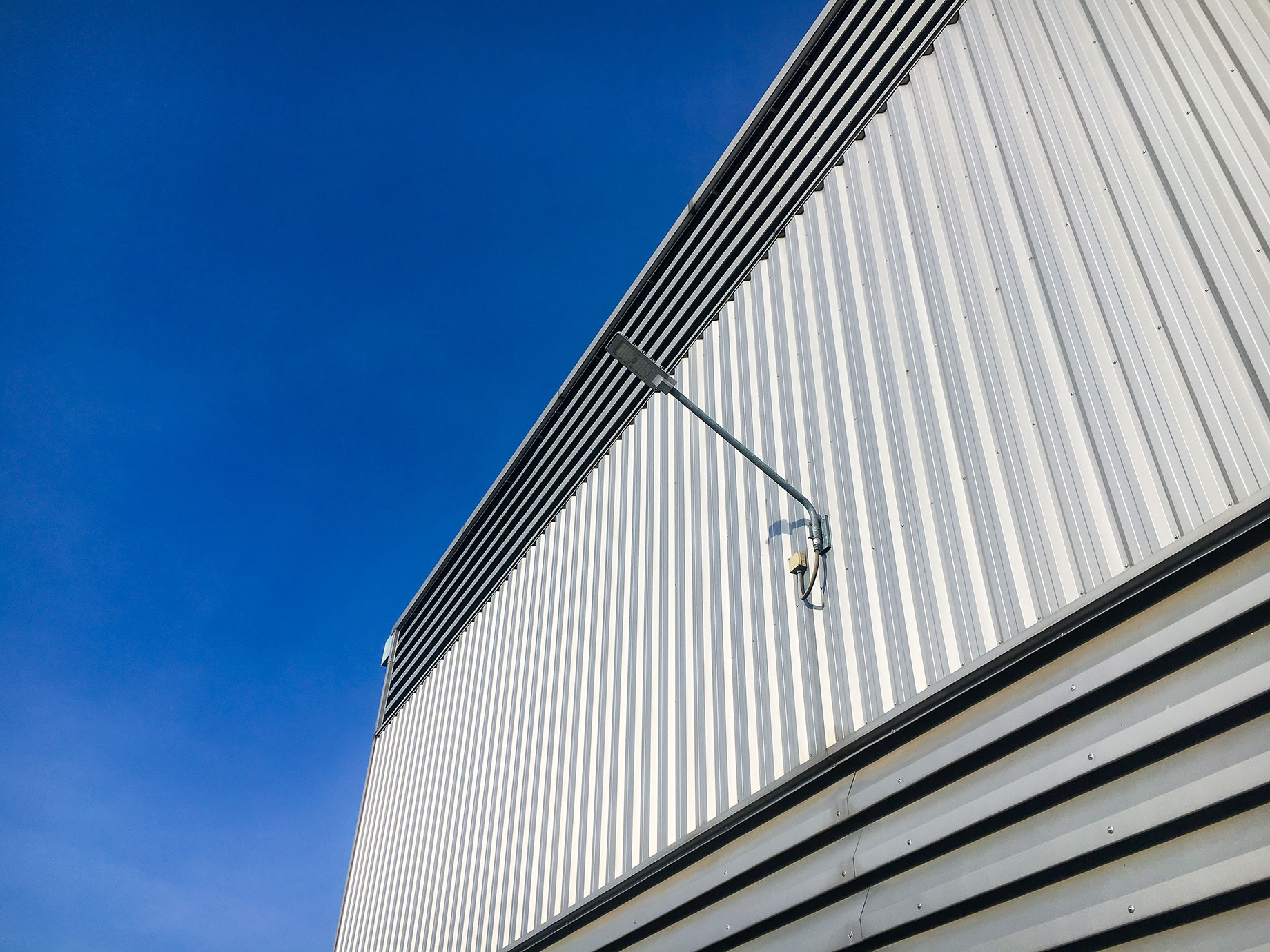
- Metal Siding: Ideally suited for industrial or modern commercial aesthetics, metal (steel or aluminum) offers exceptional longevity and recyclability. It is virtually maintenance-free but can be prone to denting if not chosen with the correct gauge thickness.
- Insulated Vinyl: Far from the flimsy residential options of the past, commercial-grade insulated vinyl offers a dual benefit: it protects the structure while acting as a thermal blanket, significantly reducing HVAC loads.
For a deeper dive into the technical specifications of these materials, consulting a comprehensive commercial siding installation guide can help property owners weigh the pros and cons relative to their specific climate.
The Hidden Value of Energy Efficiency
One of the most overlooked “commercial siding installation insights” is the impact on energy consumption. Modern building codes are increasingly strict regarding thermal envelopes, and for good reason. A well-insulated siding system acts as a barrier against thermal bridging—the process where heat escapes through the wall studs.
By wrapping the building in a continuous layer of insulation during the siding installation process, commercial properties can see heating and cooling cost reductions of up to 20%. This operational saving directly boosts the Net Operating Income (NOI), thereby increasing the property’s valuation. Furthermore, sustainable, energy-efficient exteriors are becoming a significant selling point for eco-conscious tenants.
The Critical Role of Professional Execution
Even the highest-rated materials will fail if installed incorrectly. Commercial buildings often have complex geometries, larger surface areas, and different wind-load requirements than residential homes. Common failure points include improper flashing around windows, lack of moisture barriers, and insufficient allowance for thermal expansion and contraction.
This is why the “lowest bidder” approach is perilous. Partnering with a professional siding company ensures that the installation team understands the local building codes and manufacturer specifications required to keep warranties valid. Expert installers know that managing water runoff is just as important as the siding itself; they ensure that the entire system—from the eaves to the foundation—works in harmony to keep the structure dry.
Conclusion
A commercial building’s exterior is an investment that requires protection. By prioritizing high-performance materials and expert installation, property owners do more than just improve curb appeal; they secure the structural integrity of their asset and unlock long-term financial efficiencies. In the competitive world of commercial real estate, a resilient, efficient, and beautiful exterior is a competitive advantage that pays dividends for decades.