A roof inspection is one of the smartest investments a homeowner can make.
Whether you’re preparing to sell your home, buying a new property, or simply performing routine maintenance, a professional roof evaluation provides insight into the condition of your roof and helps avoid costly surprises down the road.
In Georgia, the roof inspection cost in GA varies based on location, roof size, complexity, and whether additional services are included.
This guide breaks down typical price ranges, reasons to inspect your roof, when to schedule an inspection, and what you can expect from professionals in 2026.
Average Roof Inspection Cost in Georgia
Roof inspection pricing in Georgia is influenced by regional labor rates, climate conditions, and the level of detail in the inspection report.
Typical Cost Ranges (2026)
- Standard roof inspection: $150–$350
A visual check of roof surfaces, attic space, and basic structural components. - Detailed inspection with report: $300–$550
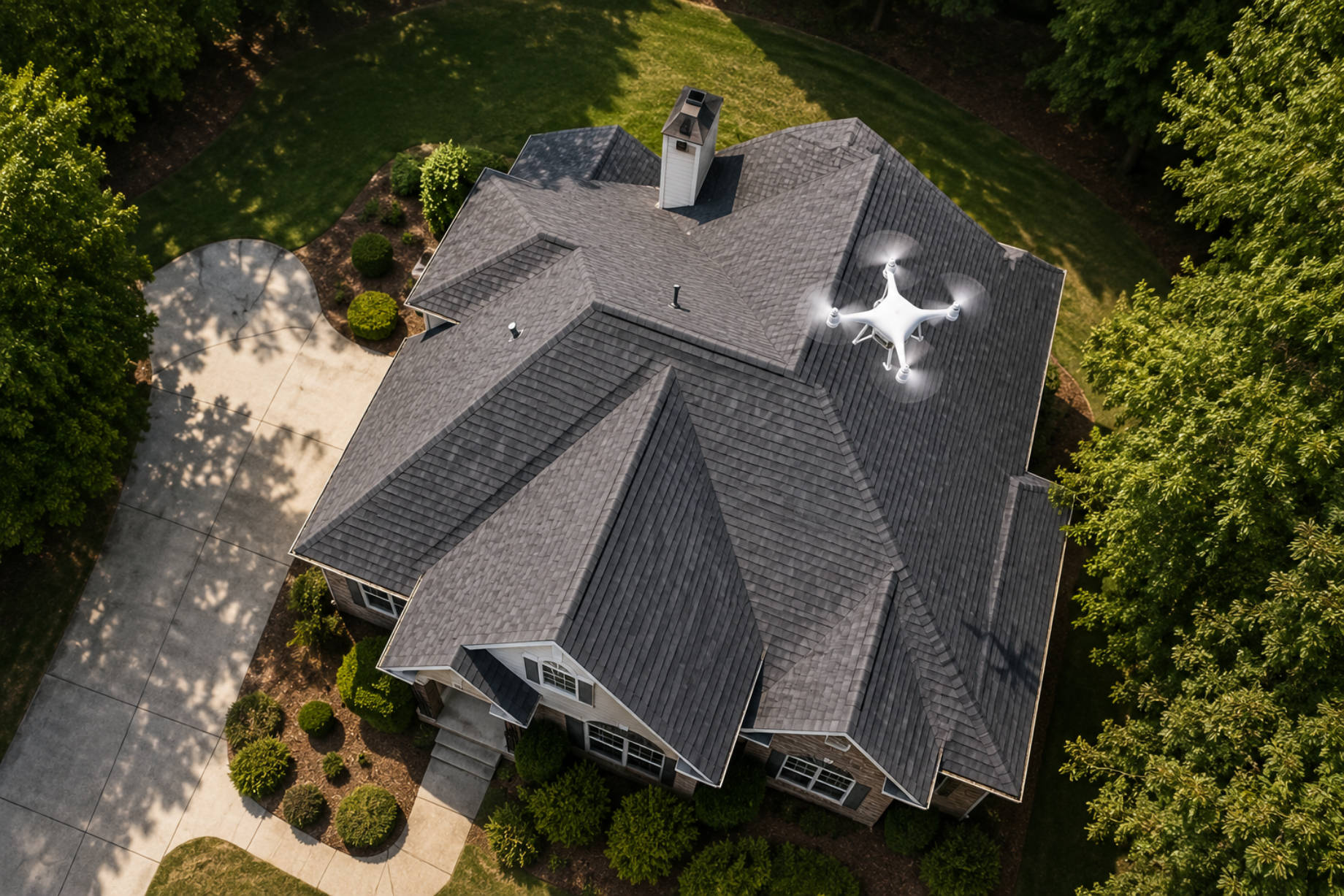
Includes photos, comprehensive documentation, and recommendations. - Drone inspection: $200–$450
Especially useful for steep or large roofs where access is difficult. - Commercial roof inspection: $350–$800+
Larger buildings and complex roofing systems require more time and expertise.
These ranges reflect typical 2026 pricing across Georgia, including metro areas like Atlanta, Macon, Savannah, and Athens.
What Influences Roof Inspection Cost in Georgia
Several factors impact how much you’ll pay for a roof inspection in the state:
Roof Size and Pitch
- Larger roofs require more time and effort.
- Steeper slopes or irregular designs increase inspection difficulty.
Roof Type and Material
- Asphalt shingles are easier and quicker to inspect.
- Metal, tile, slate, or flat roofs take more time and specialized knowledge.
Accessibility and Safety Requirements
- Roofs that are hard to reach or require safety equipment may cost more.
- Multi‑story homes can increase labor and insurance costs.
Inspection Detail
- A basic visual inspection is cheaper than a detailed, documented report.
- Additional services like thermal imaging or drone footage raise the price.
Location Within Georgia
- Urban areas may have slightly higher rates due to labor demand.
- Rural inspections sometimes include travel fees.
When to Get a Roof Inspection
Roof inspections are useful at many points in a home’s life cycle:
Before Buying a Home
If you’re purchasing a home in Georgia, a roof inspection should be part of your due diligence. Discovering issues early can influence negotiations or help you plan for future repairs.
Before Selling a Home
Sellers who provide an inspection report upfront often reduce buyer negotiations and build trust. Knowing your roof’s condition helps you set a realistic price and avoid last‑minute deal breakers.
After Severe Weather
Georgia’s weather includes thunderstorms, heavy rain, high winds, and occasional hail. After severe weather:
- Schedule an inspection to catch damage early
- Prevent leaks and interior water damage
- Avoid costly repairs later
Routine Maintenance
Even if there are no obvious issues, a roof inspection at least once every 2–3 years is recommended. Regular evaluations help identify small problems before they grow.
What a Roof Inspection Includes
A professional roof inspection typically covers:
Exterior Roof Components
- Condition of shingles, tiles, or metal panels
- Flashing around vents, chimneys, and skylights
- Signs of wear, curling, cracking, or missing materials
- Gutter and downspout condition
Interior Assessment
- Attic checks for moisture or leaks
- Insulation and ventilation evaluation
- Structural wood integrity
Documentation
Many inspectors provide:
- Photo documentation
- Detailed notes about issues found
- Recommendations for repair or replacement
This documentation can be vital for insurance claims and home sales.
Benefits of Professional Roof Inspections
Getting your roof inspected offers multiple advantages:
- Peace of Mind: Know your roof’s condition before problems worsen.
- Cost Savings: Catching minor issues early avoids major repairs.
- Insurance Readiness: Accurate reports help with claims after storm damage.
- Buyer Confidence: Inspection reports build trust during real estate transactions.
- Extended Roof Life: Identifying ventilation or wear issues early helps prolong the roof’s lifespan.
Working with experienced professionals, such as a roof inspection company in Alpharetta, ensures a thorough evaluation and reliable guidance tailored to Georgia’s climate and roofing standards.
DIY vs. Professional Roof Inspections
Homeowners can perform simple visual checks, such as looking for missing shingles or signs of water staining in the attic. However, professional inspections are much more thorough and safer, especially if:
- The roof is high or steep
- You lack proper safety equipment
- You need documentation for real estate or insurance purposes
Professionals have the tools, training, and perspective to spot issues that are easy to miss from the ground.
Tips to Prepare for a Roof Inspection
- Clear debris from gutters and downspouts before the inspector arrives
- Make sure attic access is open and safe
- Provide any past roof repair records to the inspector
- Take notes on what you’ve observed from inside and outside the home
Preparing ahead of time can streamline the inspection and help the inspector focus on key concerns.
Conclusion
In 2026, the roof inspection cost in Georgia typically ranges from $150 to $550+, depending on roof size, complexity, inspection detail, and additional services like drone imaging.
Inspections are valuable whether you’re buying, selling, maintaining, or repairing your home.
Scheduling routine evaluations and acting on professional recommendations helps protect your home and investment.
