Luxury homes are designed with exceptional craftsmanship, premium materials, and carefully planned living spaces. From custom woodwork and wine cellars to detached guesthouses and beautifully landscaped grounds, these properties often include features that require ongoing care. One area that deserves equal attention is pest prevention. Even a minor infestation can lead to expensive repairs when pests remain unnoticed in concealed spaces for long periods.
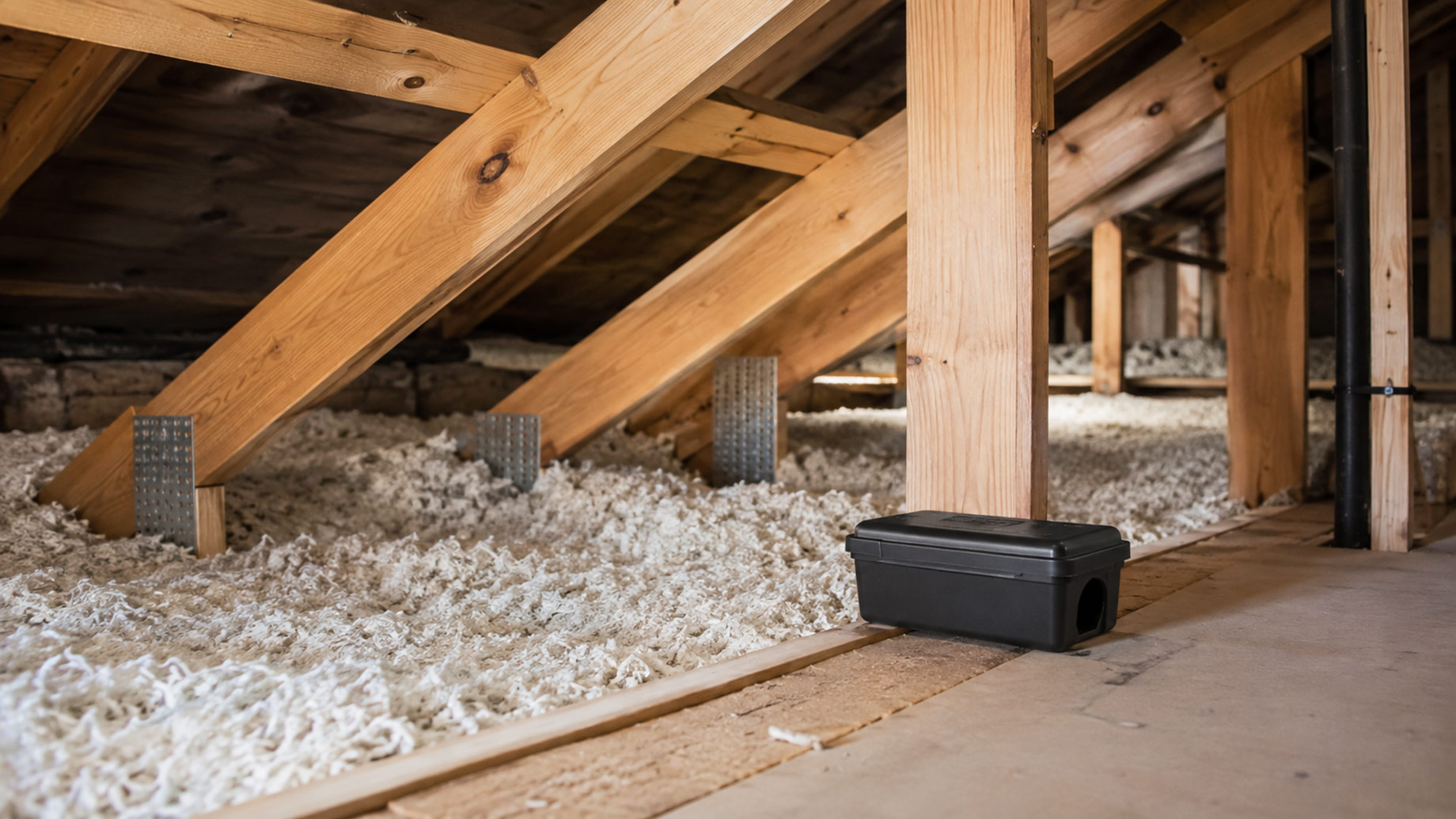
Large residential properties naturally contain more areas that are difficult to inspect regularly. Attics, crawl spaces, wall voids, unused guest rooms, storage areas, and detached buildings can provide ideal conditions for pests to settle without immediate detection. By the time visible signs appear, the damage may already be extensive. Understanding where pests hide and how they affect luxury homes allows property owners to take practical steps that reduce risk while preserving the value of their investment.
Hidden Areas That Make Luxury Homes More Vulnerable
High-end homes frequently have larger floor plans, multiple levels, and architectural details that create secluded spaces. Decorative beams, custom cabinetry, finished basements, and complex roofing systems often contain voids that receive little routine attention.
These quiet areas offer protection from human activity and changing weather conditions. Pests can establish nests inside walls, beneath flooring, or within insulation before homeowners notice any obvious warning signs. Because many luxury residences are also seasonal or used as secondary homes, infestations may continue for weeks or months without interruption.
Professional inspections often reveal problems in areas that homeowners rarely enter, including attic corners, crawl spaces, mechanical rooms, and detached garages.
How Termites and Carpenter Ants Damage Premium Woodwork
Custom wood features are among the most valuable components of luxury homes. Handcrafted staircases, decorative trim, hardwood flooring, built-in shelving, and exposed timber beams all represent significant investments.
Termites feed directly on cellulose found in wood, gradually weakening structural components from the inside. Their activity often remains hidden until wood begins to sound hollow or visible damage appears. Carpenter ants create a different problem. Although they do not consume wood, they excavate galleries to build nests, reducing the strength of wooden structures over time.
Because both pests usually remain concealed inside walls or timber, damage may continue unnoticed for extended periods. Regular inspections become particularly important wherever wood is exposed to moisture or where landscaping allows insects easy access to the building.
Rodents Can Threaten Electrical Systems and Insulation
Rodents are highly adaptable and easily enter large homes through surprisingly small openings around foundations, rooflines, utility penetrations, or ventilation systems. Once inside, they often seek quiet locations such as attics, crawl spaces, wall cavities, and storage rooms.
One of the greatest concerns is damage to electrical wiring. Rats and mice continuously gnaw to control the growth of their teeth, and electrical cables are common targets. Damaged wiring increases the risk of electrical faults and, in some situations, fire hazards.
Rodents also contaminate insulation with nesting materials, urine, and droppings, reducing its effectiveness while creating unpleasant odors. During comprehensive property protection planning, Smart Solutions Pest Control may be considered as part of a customized inspection strategy for identifying hidden entry points and areas vulnerable to rodent activity in high-value homes.
Roofing, Wine Cellars, and Moisture-Prone Spaces Need Extra Attention
Luxury properties often include climate-controlled wine storage areas, elaborate roofing systems, and finished basements that require stable environmental conditions. Unfortunately, these same conditions may also attract pests when moisture accumulates.
Cockroaches prefer damp, sheltered environments where food and water remain available. Basements, utility rooms, and wine storage spaces may provide suitable habitats if leaks, condensation, or poor ventilation are present.
Roofing systems deserve similar attention. Birds, rodents, squirrels, and insects may gain access through damaged flashing, roof vents, or loose shingles. Once inside attic spaces, pests can spread into insulation and structural framing while remaining largely undetected.
Moisture management plays a significant role here—repairing leaks promptly and maintaining proper ventilation reduces conditions that encourage many common household pests.
Detached Buildings and Landscaped Grounds Can Become Entry Points
Many luxury estates extend beyond the main residence to include guesthouses, pool houses, workshops, outdoor kitchens, and storage buildings. These detached structures sometimes receive less frequent maintenance, allowing infestations to develop unnoticed before spreading toward the primary home.
Landscaped grounds can also contribute to pest activity. Mature trees with branches touching the roof, dense shrubs against exterior walls, decorative mulch, and stacked firewood all provide shelter or direct pathways for insects and rodents.
Keeping vegetation trimmed away from buildings and storing wood away from exterior walls reduces opportunities for pests to establish themselves close to the home.
Practical Steps That Help Prevent Hidden Infestations
Protecting a high-value property requires consistent maintenance rather than reacting after visible damage appears. Property owners can reduce long-term risks by focusing on overlooked spaces throughout the year.
- Inspect unused rooms, storage spaces, and guest suites regularly.
- Keep crawl spaces and attics clean, dry, and well ventilated.
- Repair plumbing leaks and eliminate excess moisture quickly.
- Examine detached structures for signs of pest activity.
- Check roofing, foundations, and utility entry points for small openings.
- Schedule routine professional pest assessments to identify hidden issues before major damage develops.
These preventive habits support early detection and help preserve both structural integrity and interior finishes.
Final Analysis
Luxury homes contain distinctive architectural features that deserve careful protection from hidden pest activity. Termites, carpenter ants, rodents, cockroaches, and other pests often target concealed areas where expensive damage develops gradually without attracting immediate attention. Larger properties naturally include more secluded spaces—making routine inspections an important part of responsible home maintenance.
A proactive approach that combines moisture control, regular inspections, careful maintenance of attics and crawl spaces, monitoring detached buildings, and periodic professional assessments offers the best opportunity to identify problems early. When customized pest management is appropriate for complex residential properties, pest control can form part of a broader maintenance strategy focused on protecting valuable homes from damage that may otherwise remain hidden until repairs become far more costly.
