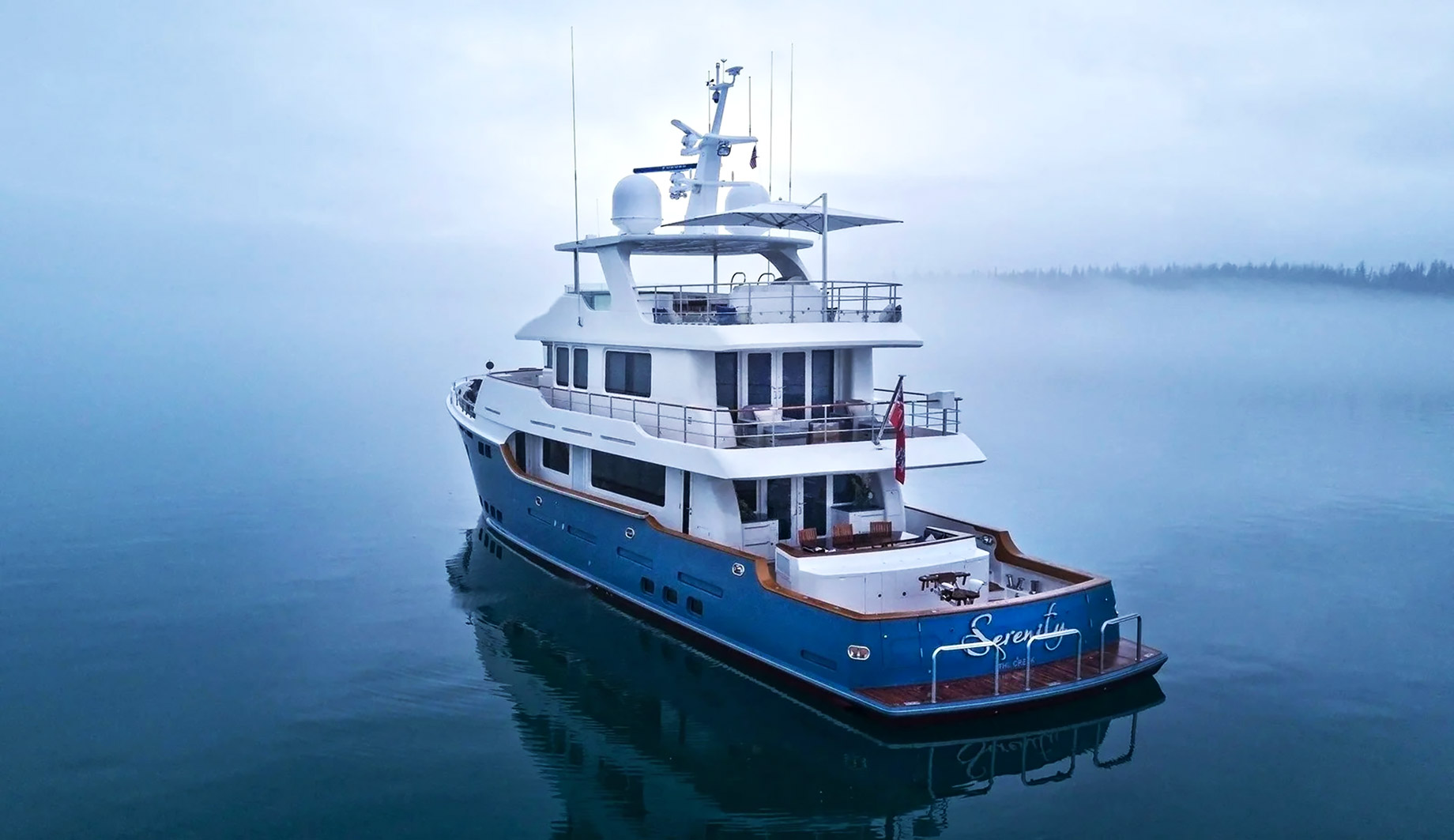
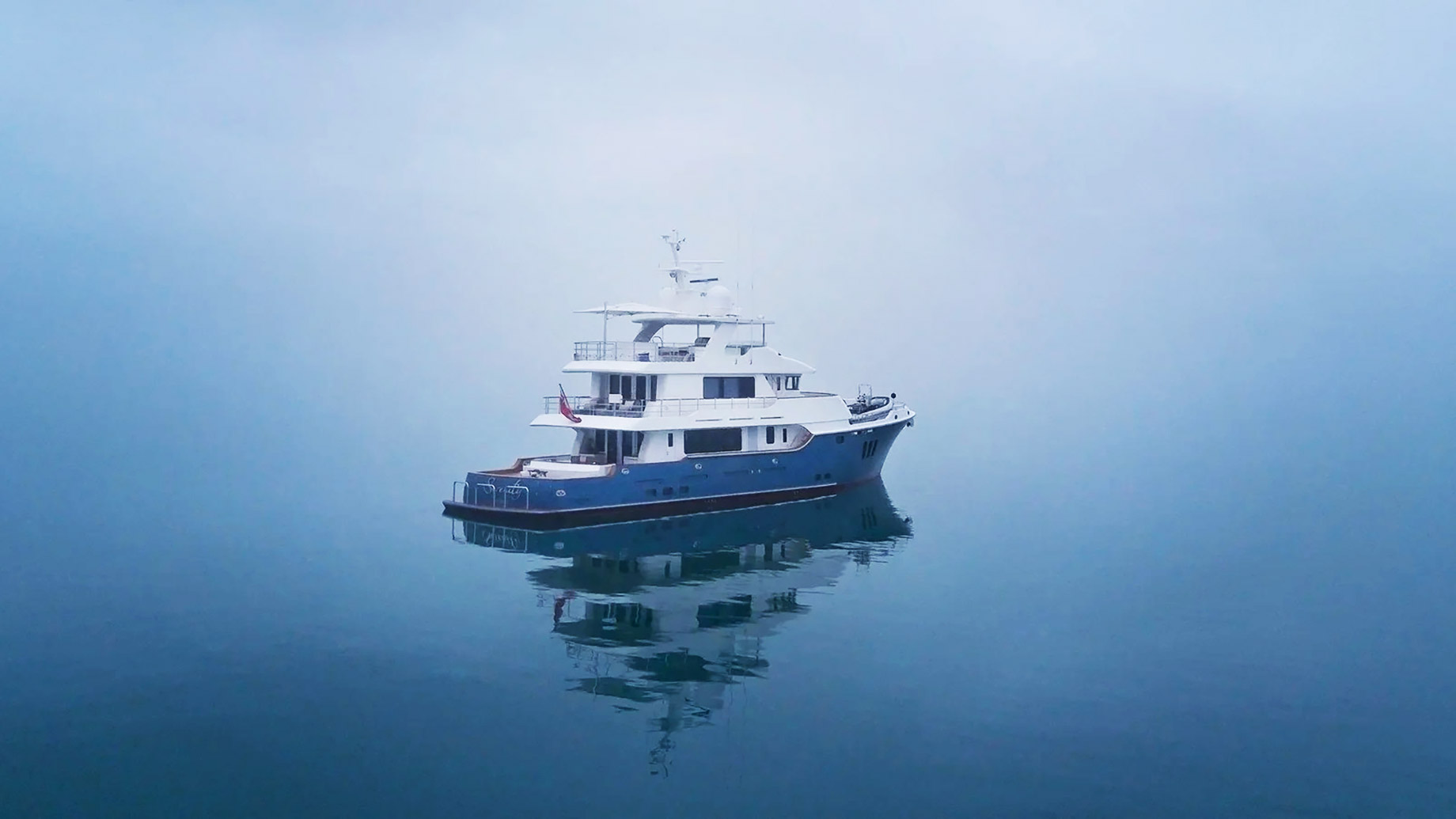
The 100-foot (approximately 30-meter) superyacht segment represents a crucial and often highly active area of the pre-owned market. It’s the sweet spot where true superyacht luxury meets comparative manageability, offering sophisticated accommodations for 8 to 10 guests and dedicated crew quarters without the operational complexities of much larger vessels. For both sellers looking to price their asset competitively and buyers seeking value, understanding the key factors that drive valuation in this category is essential. To explore available listings, you can search for 100 feet yachts for sale.
The price tag on any given 100-foot superyacht is not arbitrary; it is the product of three distinct forces: macro market dynamics, intrinsic vessel characteristics, and operational condition.Macro Market Dynamics: The Rising Price of Volume
While anecdotal evidence can be misleading, hard market data reveals clear trends influencing this segment. The yacht sales market experienced a reduction in transactional volume in recent years, with used superyacht sales decreasing by 27% in 2023. However, the vessels that are selling are getting larger on average. The average volume of used yachts sold increased from 402 Gross Tonnes (GT) in 2022 to 510 GT in 2023.
Crucially for the 100-foot segment, this appetite for larger volume has driven up value. The average final asking price per GT for sold used yachts increased by 13% in 2023, rising from €27,540 per GT in 2022 to €31,020 per GT. This marks the third consecutive year that this key pricing metric has increased. This data suggests that while buyers may be more selective about purchasing a used vessel, those transactions that do occur are concentrated at the higher end of the size and value spectrum, confirming the overall appreciation of high-volume luxury assets.Intrinsic Vessel Characteristics: Age and Pedigree
The two most significant intrinsic factors are the yacht’s age (year of construction) and its builder.
The Age-Value Spectrum
The year a yacht was delivered establishes its baseline value and adherence to modern standards. Market listings illustrate a vast spectrum of pricing based on age:
- Contemporary Vessels (Post-2020): Yachts delivered in recent years command a premium. For instance, a 2023 Sunseeker, Majic (29.85m), was listed for sale at €9,495,000. Buyers are paying for the latest design, technology, and fewer accrued operational hours. Even with a modern model like The Wolf (31.8m, 2023), a recent price update showed a slight reduction to $12,500,000, illustrating active market adjustments even for near-new vessels.
- Mid-Life Classics (2005-2015): This range includes many workhorse yachts from renowned yards. A 2008 Azimut, Serendipity (35.46m), was newly listed for sale at €6,490,000, demonstrating the strong residual value that quality construction retains. Similarly, a 2010 Leopard yacht, Bagheera (34.1m), was listed for €3,300,000.
- Older Yachts (Pre-2005): Vessels from this era can still hold considerable value, but their asking price is highly dependent on recent refits (see below). A 2004 Antago Yachts model, Dea One (30.0m), experienced a positive price update of 33.3%, reaching €1,600,000. Conversely, a 2004 Westport, Elysian (34.14m), was recently sold, demonstrating continued demand across age brackets.
The Builder’s Premium
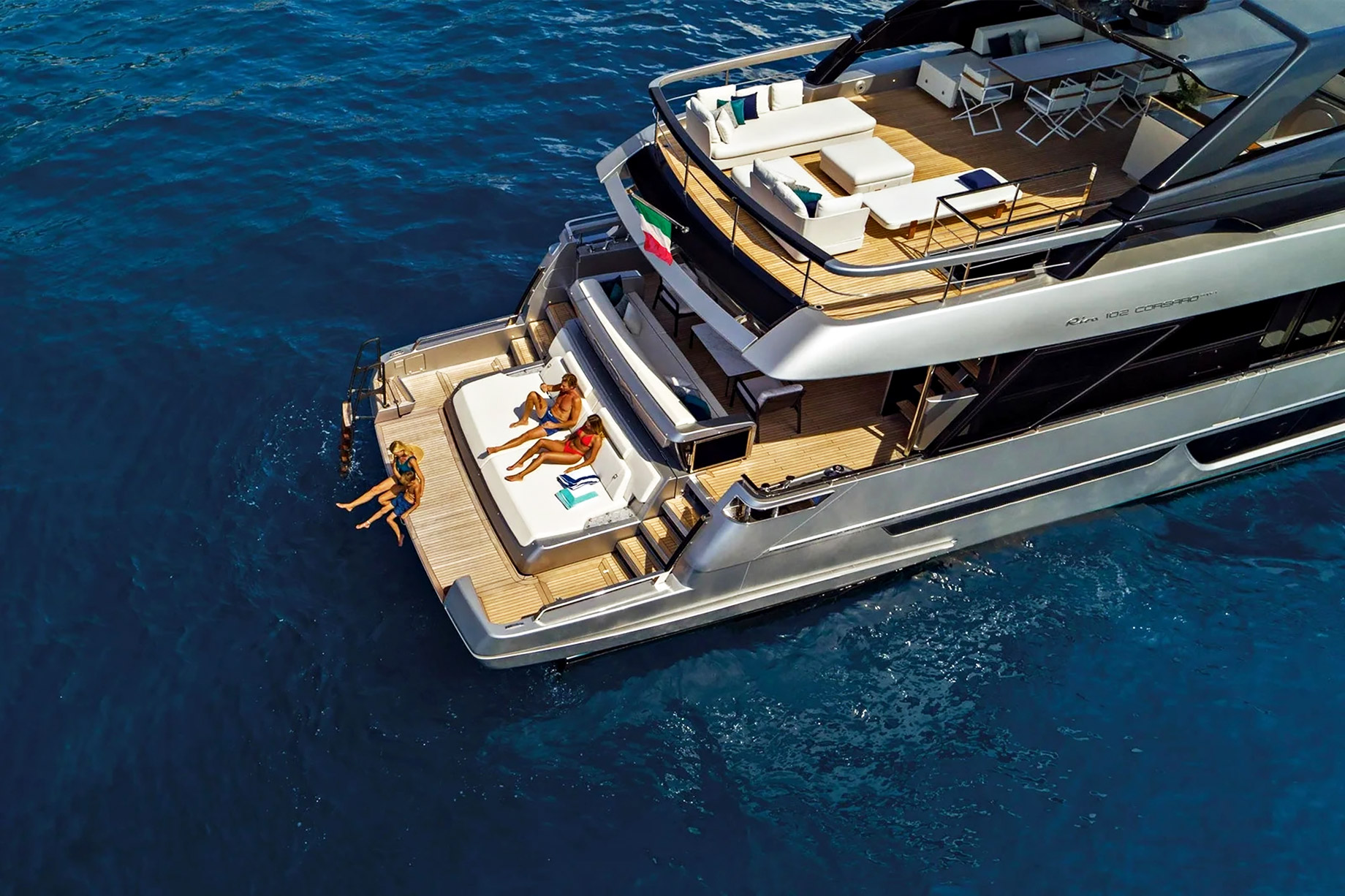
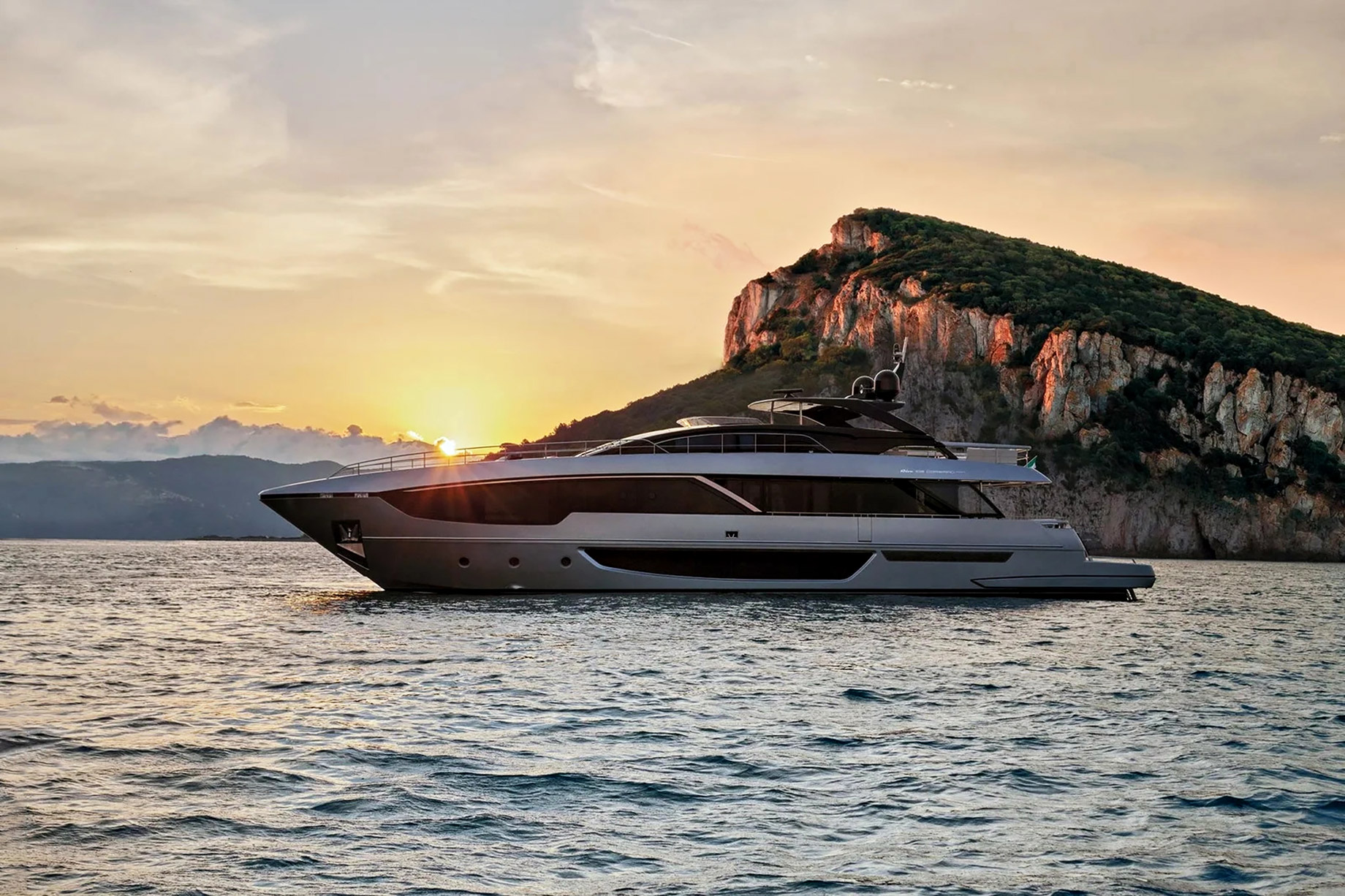
The shipyard carries significant weight. Prestigious builders are synonymous with quality engineering and sophisticated design, resulting in superior residual value. The 100-foot market is populated by celebrated names such as Sanlorenzo, Benetti, Sunseeker, Riva, and Azimut. A buyer trusts that a vessel from a top-tier yard has been built to exacting standards, often featuring renowned naval architecture and interiors. Furthermore, the type of yacht dictates its suitability and, therefore, its price. High-performance models, like the Canados Gladiator 961 Speed, capable of reaching 55 knots, appeal to a niche market and command a price reflective of their specialized engineering and speed. Long-range explorer options, such as the Numarine 30 XP and Arksen 30, are also valued for their specific capability for world cruising.Operational Factors: Condition and Refit History
For a pre-owned superyacht, condition is king. The maintenance schedule, the quality of the machinery, and the cosmetic state of the vessel directly influence the final sale price.
A well-documented history of maintenance, including recent engine overhauls and adherence to classification society requirements, provides confidence to the buyer. Conversely, a vessel that has deferred maintenance will often require a steep price reduction to compensate the buyer for the necessary capital expenditure.
Major refits are especially critical for older yachts. A comprehensive refit can effectively reset the clock on a yacht’s interior and technology, making a 15-year-old yacht competitive with younger models. The investment in a quality refit is frequently reflected in the yacht’s asking price. This is vital when considering models that have undergone significant renovations to update systems and aesthetics, ensuring they meet the luxurious expectations of modern superyacht owners.
Ultimately, the market for 100-foot superyachts is robust and constantly evolving, driven by an interplay between broad economic trends (rising price per GT), pedigree (builder and age), and the physical state of the vessel (condition and refit history). Potential buyers must consider all these factors to secure the right vessel at a justifiable price.
