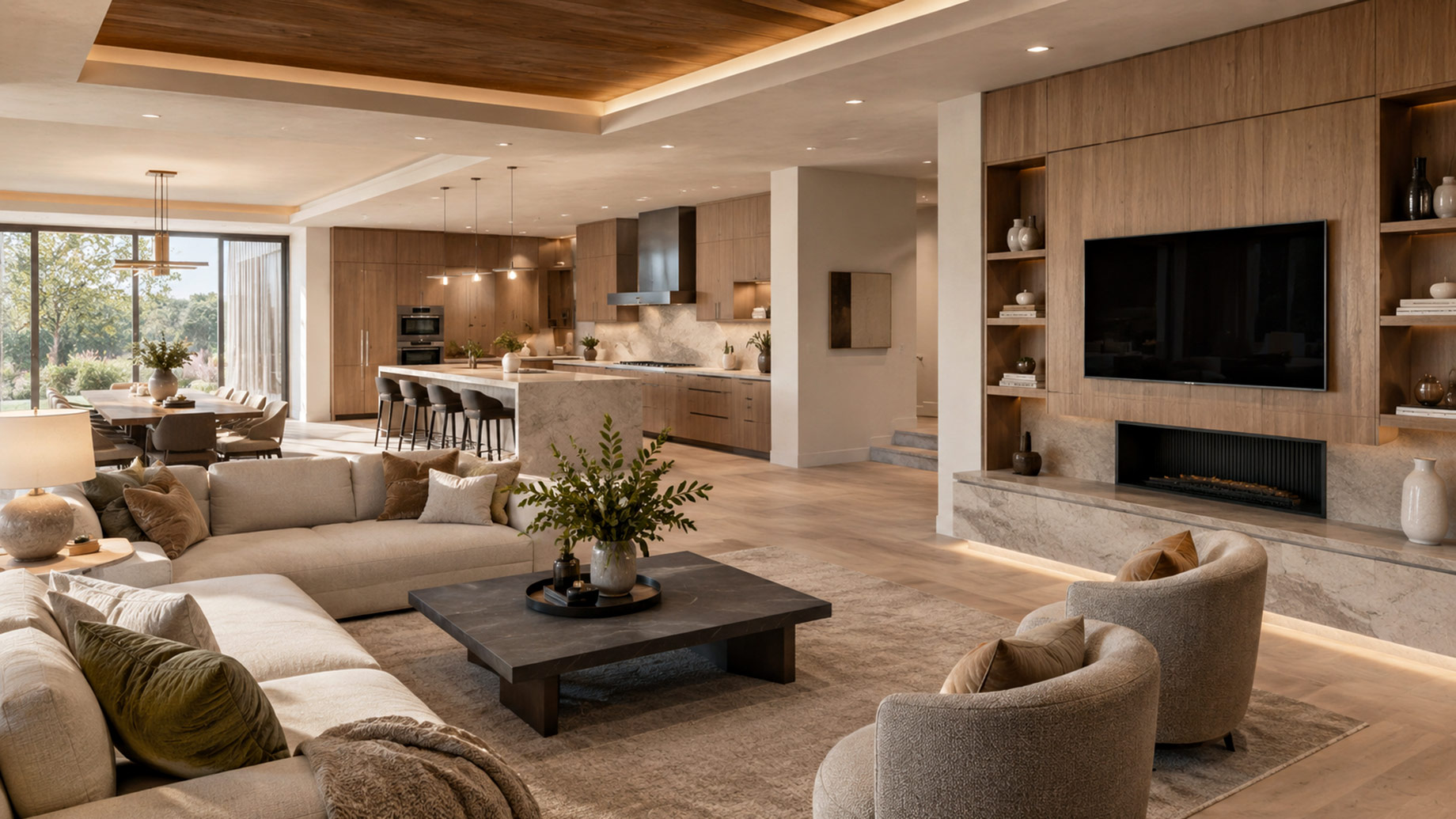
Luxury interior design has evolved far beyond simply showcasing expensive materials or impressive square footage. Today’s most admired homes combine elegance with functionality, proving that beautiful spaces should also make everyday living easier. Instead of choosing between aesthetics and practicality, homeowners are increasingly seeking interiors that seamlessly deliver both.
This shift reflects changing lifestyles. Homes now serve as workplaces, entertainment spaces, wellness retreats, and family gathering places, often all at once. As a result, successful luxury design is no longer measured solely by appearance but by how well it supports the people who live there.
Creating that balance requires thoughtful planning, carefully selected materials, and an understanding that true luxury should improve daily life rather than complicate it.
Timeless Design Outlasts Passing Trends
Luxury interiors rarely depend on whatever happens to be fashionable for a single season. Instead, they prioritize timeless architecture, high-quality craftsmanship, and materials that age gracefully.
Natural stone, solid wood, handcrafted cabinetry, and carefully selected textiles provide lasting appeal because they continue to look elegant for years rather than months. Neutral color palettes often create flexibility, allowing homeowners to update decorative elements without redesigning entire rooms.
Investing in durable finishes also delivers practical benefits. Premium materials typically withstand everyday wear more effectively, reducing maintenance while preserving the home’s appearance over time.
Rather than constantly following design trends, timeless interiors evolve gradually while maintaining their original character.
Every Room Should Support Everyday Living
Beautiful spaces become even more valuable when they function effortlessly.
Kitchen layouts should simplify meal preparation. Living rooms should encourage conversation and relaxation. Home offices should promote focus without sacrificing comfort. Storage solutions should reduce clutter while remaining discreet enough to preserve clean architectural lines.
Luxury often reveals itself through thoughtful details rather than extravagant decoration. Hidden storage, integrated lighting, soft-close cabinetry, and furniture designed around how people actually move through a room all contribute to a more enjoyable living experience.
The best interiors feel intuitive because every design decision serves both visual appeal and practical daily use.
Thoughtful Design Also Embraces Accessibility
Practical luxury extends beyond convenience, it also considers how people’s needs may change over time.
Wider walkways, barrier-free transitions, slip-resistant flooring, and adaptable furniture layouts can improve comfort without altering a home’s sophisticated appearance. These features are increasingly incorporated into luxury residences because they provide long-term flexibility while remaining virtually invisible within the overall design.
The same philosophy can also be seen in products created to improve mobility for pets. Families increasingly look for solutions that allow injured or aging dogs to continue enjoying daily walks and an active lifestyle instead of limiting their movement. Companies specializing in pet mobility have responded by developing equipment tailored to different sizes, breeds, and mobility challenges. One example is quad wheelchair for dogs, a mobility solution designed to provide additional stability for dogs that need support in both the front and rear legs while helping them remain active during recovery or while managing long-term mobility conditions.
Whether designing a luxury home or creating assistive products, the underlying principle remains remarkably similar: thoughtful design should improve everyday life while maintaining comfort, dignity, and quality. In both cases, success comes from combining functionality with careful attention to the individual needs of the user.
Quality Lighting Shapes the Entire Experience
Lighting is one of the most influential elements of interior design, yet it is often overlooked during the planning process.
Natural light creates openness throughout the day, while layered artificial lighting allows homeowners to adapt each room for different activities. Ambient lighting establishes atmosphere, task lighting supports practical functions, and accent lighting highlights architectural features, artwork, or decorative materials.
Smart lighting systems further enhance flexibility by allowing brightness and color temperature to change throughout the day, supporting both comfort and energy efficiency.
When lighting is carefully planned, every material, texture, and architectural detail appears more refined.
Luxury Is Ultimately About Living Well
The most successful luxury interiors are not those filled with the highest number of premium products. Instead, they are spaces where every decision contributes to a better living experience.
Comfortable seating encourages meaningful conversations. Durable materials withstand everyday life without sacrificing elegance. Flexible layouts adapt as families grow and lifestyles change. Practical storage keeps spaces organized while preserving visual harmony.
These choices create homes that remain enjoyable not only during special occasions but every single day.
Ultimately, luxury and practicality are no longer competing ideas. The finest interiors demonstrate that exceptional design is measured not only by how impressive a space looks but also by how naturally it supports the people who call it home. When beauty and function work together, a home becomes more than an elegant space, it becomes a place designed to enrich everyday life.