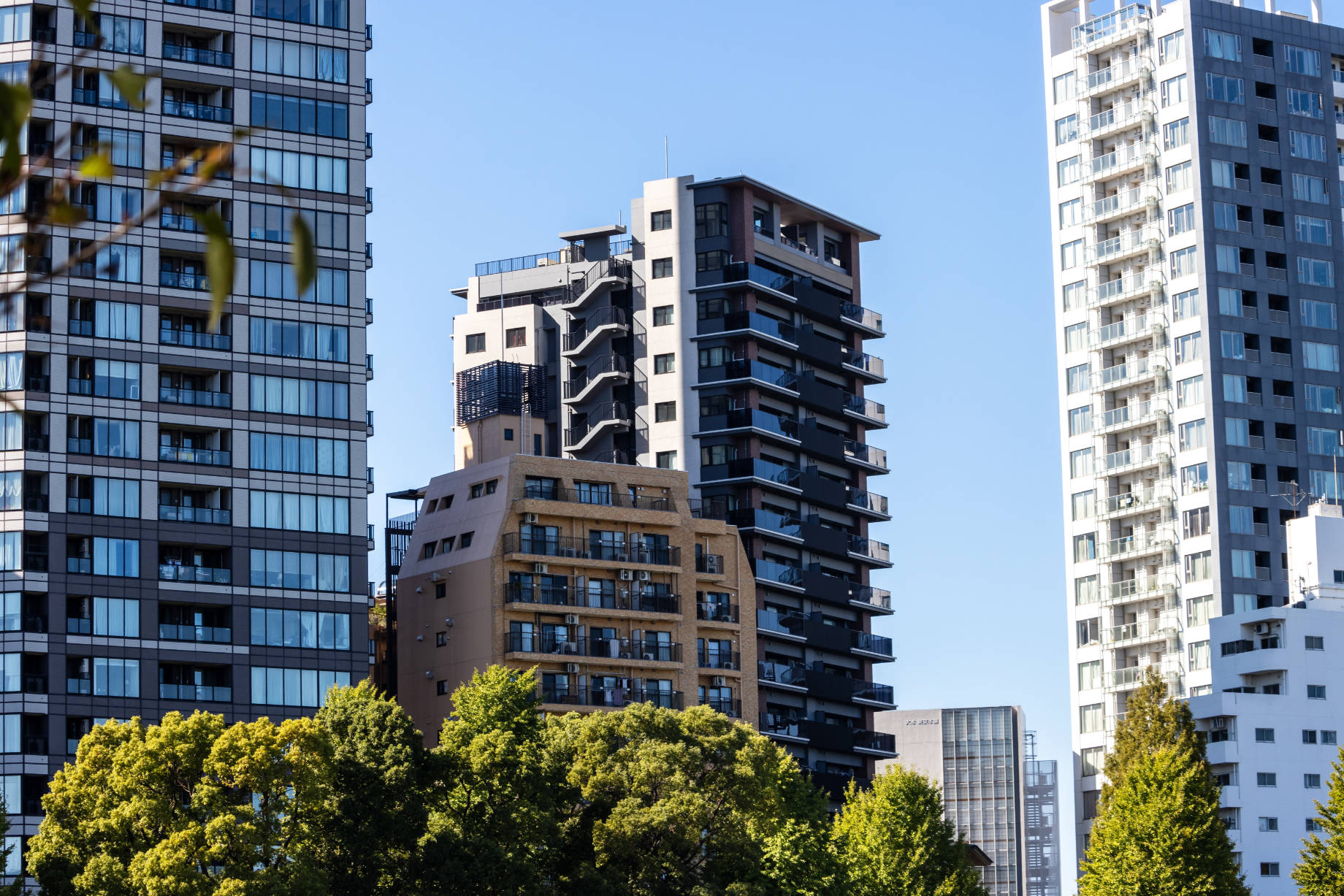
Moving to Tokyo is exciting, but finding the right apartment can feel complicated at first. The city is large, the rental process has its own rules, and housing terms such as key money, guarantor companies, 1K, 1LDK, and renewal fees may be unfamiliar to people arriving from overseas.
The good news is that Tokyo has a wide range of housing options. You can find compact studios near major train stations, modern apartments in central business districts, quiet family homes in residential wards, furnished short-term rentals, and high-end residences in international neighbourhoods such as Minato, Shibuya, Meguro, and Chiyoda.
The key is to understand how Tokyo housing works before you begin viewing properties. A good rental decision is not only about rent. It is also about commute time, station access, upfront costs, lease conditions, building age, lifestyle, and how foreigner-friendly the listing and landlord are.
Start With Lifestyle, Not Just the Apartment
Many people begin their Tokyo apartment search by looking only at floor plans and rent. That is understandable, but Tokyo is a city where location shapes daily life. A slightly smaller apartment in the right area may be more convenient than a larger apartment with a difficult commute.
Before choosing a neighbourhood, think about the rhythm of your life. Do you need quick access to an office in central Tokyo? Do you want nightlife nearby, or do you prefer quiet streets? Will you rely on English-speaking services? Do you have children, pets, or a need for international schools? Are you staying for a few months, a few years, or planning a longer-term move?
Tokyo’s train network makes many areas accessible, but not all commutes feel the same. A direct 20-minute train ride can be easier than a 25-minute commute with two transfers. Walking distance to the station also matters. An apartment listed as “near Shibuya” may still involve a long walk, a bus connection, or a less convenient train line.
Popular Tokyo Areas for Foreign Residents
Tokyo has 23 special wards, each with its own personality. There is no single best area for everyone. The right choice depends on budget, lifestyle, work location, family needs, and how much local Japanese language ability you have.
| Area | Best For | General Character |
|---|---|---|
| Minato | Executives, diplomats, families, international residents | Upscale, central, international, expensive |
| Shibuya | Young professionals, creatives, nightlife, fashion, tech | Energetic, central, busy, highly connected |
| Shinjuku | Commuters, students, people wanting strong transport links | Diverse, practical, urban, convenient |
| Meguro | Couples, families, design-conscious renters | Residential, stylish, calmer than Shibuya |
| Setagaya | Families, long-term residents, people wanting more space | Residential, green, local, quieter |
| Chiyoda | Professionals wanting central access and prestige | Business-focused, central, limited housing stock |
| Chuo | Urban living, access to Ginza, Nihonbashi, and Tokyo Station | Polished, central, convenient |
| Shinagawa | Commuters, business travellers, frequent flyers | Practical, connected, good for transport |
Minato is often one of the most popular choices for foreign professionals because of its embassies, international schools, English-friendly services, and central location. Areas such as Azabu, Roppongi, Aoyama, Akasaka, and Hiroo are well known among expatriates. The trade-off is price.
Shibuya offers a more energetic environment, with strong access to shopping, nightlife, restaurants, offices, and creative industries. It can be excellent for younger professionals, but some parts are busy and expensive.
Meguro and Setagaya are often better for people who want a calmer residential setting while still remaining connected to central Tokyo. These areas can be attractive for families, couples, and long-term residents who want a more neighbourhood-based lifestyle.
Shinjuku is broad and varied. Some areas are commercial and intense, while others are more residential. Its transport connections are among the strongest in Tokyo, making it practical for people who need easy access across the city.
Understanding Tokyo Apartment Layouts
Japanese apartment listings usually describe layouts differently from many Western real estate markets. Instead of saying “one-bedroom” or “two-bedroom,” listings often use combinations such as 1R, 1K, 1DK, 1LDK, 2LDK, and 3LDK.
Here is what those terms generally mean:
| Layout | Meaning | Typical Use |
|---|---|---|
| 1R | One room with sleeping/living area and small kitchen in the same space | Compact single living |
| 1K | One room plus a separate kitchen area | Single renters |
| 1DK | One room plus dining-kitchen space | Singles or couples |
| 1LDK | One bedroom plus living-dining-kitchen area | Couples or people wanting more space |
| 2LDK | Two bedrooms plus living-dining-kitchen area | Couples, families, shared housing |
| 3LDK | Three bedrooms plus living-dining-kitchen area | Families or larger households |
A 1LDK in Tokyo may not feel the same size as a one-bedroom apartment in North America or Europe. Always check the square metres, not only the layout label. Also look closely at storage, balcony space, natural light, ceiling height, washing machine placement, and whether the kitchen is truly usable for your lifestyle.
What Rent Costs in Tokyo
Tokyo rents vary widely. Central wards such as Minato, Chiyoda, Chuo, and Shibuya are typically more expensive, especially near major stations, newer buildings, luxury towers, and international neighbourhoods. More residential wards such as Setagaya, Suginami, Nerima, Itabashi, and parts of eastern Tokyo can offer better value, especially if you are flexible about commute time.
As a general guide, compact studios and 1K apartments are often the entry point for single renters. Larger 1LDK, 2LDK, and 3LDK apartments increase sharply in price, particularly in central areas. Rent also changes according to building age, distance from the station, construction quality, floor level, view, sunlight, furnishings, pet policy, and whether the property is marketed to foreign residents.
When comparing properties, pay attention to the total monthly cost, not only the advertised rent. Many apartments also charge a management fee or common service fee. An apartment advertised at ¥170,000 per month with a ¥15,000 management fee is effectively a ¥185,000 monthly housing commitment before utilities.
Upfront Costs to Expect
One of the biggest surprises for foreign renters in Tokyo is the initial cost of moving in. In many cases, tenants need to prepare several months of rent before receiving the keys.
Common upfront costs may include:
- First month’s rent
- Prorated rent for the move-in month
- Security deposit
- Key money
- Agency fee
- Guarantor company fee
- Fire or damage insurance
- Lock exchange fee
- Cleaning fee
- Management or common service fee
Not every apartment includes every fee. Some properties offer no key money, lower deposits, or reduced move-in costs. However, it is safer to budget conservatively until you receive a full estimate from the agent.
Key money, known as reikin, is a non-refundable payment to the landlord. It is different from a security deposit, which may be partially returned after move-out, minus cleaning, repair, or restoration costs. Key money is still common in parts of Tokyo, but no-key-money listings are increasingly available.
Why a Guarantor Company May Be Required
Many Tokyo landlords require either a guarantor or a rent guarantee company. A guarantor is a person who agrees to cover unpaid rent or certain costs if the tenant does not pay. For foreign residents who do not have a suitable Japanese guarantor, a guarantor company is often used instead.
The guarantor company usually charges an upfront fee and may also charge a renewal or annual fee. This cost should be included when comparing apartments. The exact amount depends on the property, landlord, management company, and guarantor provider.
For foreign renters, this is one reason it helps to work with an agency that regularly handles international clients. The rental application is not only about finding an available apartment. It is also about matching the renter with properties where the landlord, management company, and guarantor process are realistic for the applicant’s situation.
Documents You May Need
Requirements vary by property, but foreign renters in Tokyo are commonly asked to provide several documents during the application process.
These may include:
- Passport
- Residence card, if already living in Japan
- Visa or status of residence details
- Proof of employment
- Proof of income
- Student enrolment certificate, if applicable
- Emergency contact information
- Japanese phone number, if available
- Bank account information, if available
If you are moving to Tokyo from overseas and do not yet have all local documents, confirm this early. Some landlords are flexible, while others require a resident card, Japanese phone number, or local employment information before approval.
The Basic Rental Process in Tokyo
The Tokyo rental process is structured, and it usually moves in stages.
1. Define Your Requirements
Start with your maximum monthly budget, preferred areas, commute needs, apartment size, pet requirements, furnished or unfurnished preference, and move-in date. Be clear about non-negotiables.
2. Search Listings
Use listings to understand the market, but remember that availability changes quickly. Good apartments in popular areas may be taken before you can schedule a viewing.
For English support and foreigner-friendly listings, E-Housing is a Tokyo-based real estate platform that helps people rent, buy, and stay short-term in apartments and houses across central Tokyo. The platform focuses on English support, clear area guidance, and listings suited to international residents, including Tokyo apartments for rent across different wards and property types.
3. View the Property
Viewings may happen in person or online, depending on the property and your location. During the viewing, check the building entrance, elevator, hallway, sunlight, noise, appliance spaces, air conditioning, water pressure, storage, rubbish area, bicycle parking, and walking route from the station.
4. Submit an Application
If you like the apartment, you submit an application. This does not always guarantee approval. The landlord or management company will review your profile, income, documents, visa status, and guarantor arrangement.
5. Review the Important Points Explanation
Before signing, the agent should explain the important lease terms. This is when you confirm fees, renewal conditions, cancellation rules, pet rules, repair responsibilities, restoration obligations, and restrictions on use.
6. Sign the Contract and Pay Fees
Once approved, you sign the contract and pay the required move-in costs. The apartment is normally not secured until the formal process is complete.
7. Receive the Keys and Move In
When you receive the keys, inspect the apartment carefully. Take dated photos of scratches, stains, dents, and existing damage. This can help prevent disputes when you move out.
Furnished vs. Unfurnished Apartments
Many standard Tokyo rentals are unfurnished. They may not include a refrigerator, washing machine, curtains, lighting fixtures, or furniture. This can surprise foreign renters who are used to apartments being more fully equipped.
Unfurnished apartments can make sense for long-term residents who want to buy their own furniture and stay for several years. Furnished apartments are often better for short-term stays, corporate assignments, trial moves, students, or people arriving before their long-term plans are settled.
The monthly rent for furnished housing may be higher, but it can reduce setup time and initial logistics. When comparing furnished and unfurnished options, consider the full cost of furniture, appliances, delivery, installation, disposal, and time.
What to Check Before Signing
Before signing a lease, review more than the rent and location. A good apartment can become frustrating if the contract terms do not match your life.
Check the following:
- Is the lease regular or fixed-term?
- Is renewal possible?
- Is there a renewal fee?
- Is key money required?
- How much of the deposit may be returned?
- What cleaning or restoration fees apply?
- Are pets allowed?
- Can two people live there?
- Are musical instruments allowed?
- Is remote work allowed if relevant?
- Are there restrictions on visitors or short-term guests?
- Is internet already installed?
- Are utilities separate?
- Is bicycle or car parking available?
- What happens if you leave early?
Do not assume that rules are flexible. Japanese rental contracts can be detailed, and building rules are often taken seriously.
Common Mistakes Foreign Renters Make
The first mistake is underestimating upfront costs. A renter may be able to afford the monthly rent but still be surprised by the total amount due at signing.
The second mistake is choosing an area based only on name recognition. Shibuya, Minato, and Shinjuku are famous, but they are not automatically right for every lifestyle. A quieter area with a direct train line may be better.
The third mistake is ignoring commute quality. Tokyo trains are efficient, but crowded transfers can affect daily life. Test the route at the time you would actually commute.
The fourth mistake is assuming that all listings are foreigner-friendly. Some landlords may prefer tenants with Japanese language ability, local employment, or established domestic documents. This is why filtering for realistic listings matters.
The fifth mistake is signing too quickly without understanding renewal fees, move-out costs, or restoration rules. Always review the full contract, not just the listing page.
Final Thoughts
Renting an apartment in Tokyo as a foreigner is manageable when you understand the process. The city offers exceptional convenience, strong transport, safe residential areas, and a wide range of housing options, but the rental system requires preparation.
Start with the lifestyle you want, then narrow your search by commute, ward, budget, layout, and lease conditions. Budget for upfront costs, understand the role of guarantor companies, and check every contract term before signing.
With the right preparation and local support, finding a Tokyo apartment becomes less about navigating a confusing system and more about choosing the area and home that genuinely fit your life.
Frequently Asked Questions
Is it hard for foreigners to rent an apartment in Tokyo?
It can be harder than renting as a local resident, mainly because some landlords require Japanese language ability, local employment, a guarantor, or specific documents. However, many foreigner-friendly listings are available, especially through agencies that work regularly with international clients.
How much money should I prepare before renting in Tokyo?
A safe estimate is several months of rent for initial costs, including deposit, key money if required, agency fee, guarantor fee, insurance, first month’s rent, and other move-in charges. Some properties cost less upfront, especially no-key-money apartments.
What is key money in Japan?
Key money is a non-refundable payment made to the landlord when signing the lease. It is separate from the security deposit and is not returned after move-out. Not all apartments require it.
Do I need a Japanese guarantor?
Some properties require a guarantor, but many foreign renters use a guarantor company instead. The guarantor company charges a fee and acts as financial backing for the landlord.
Are Tokyo apartments usually furnished?
Standard long-term rentals are often unfurnished. Furnished apartments are available, especially for short-term stays and corporate relocations, but they may cost more per month.
Which Tokyo area is best for foreign residents?
There is no universal best area. Minato is popular for international services and upscale living, Shibuya for energy and central access, Meguro and Setagaya for residential comfort, Shinjuku for transport, and Shinagawa for business travel and commuting.
