You’ve spent good money on your home, yet something about it still feels unfinished. From the street, an overgrown tree hides the façade and the garden beds look tired. Inside, the rooms are well furnished but somehow flat. If that sounds familiar, the fix usually isn’t a big renovation. It’s a handful of well-chosen updates, starting at the front gate and finishing in the living room.
Start Outside: The Trees Frame Everything
Trees are the biggest visual element on most properties, and they’re often the most neglected. A tree that was charming ten years ago can now block light, crowd the roofline or drop branches over the driveway.
Here’s what to look for:
- Branches touching the roof or gutters. They cause damage and make the house look swallowed up.
- Dense canopies blocking windows. Thinning can let in light without losing shade.
- Dead, leaning or split trunks. These are safety risks as much as eyesores.
- Trees planted too close to the house. Roots can affect paths, pipes and foundations over time.
Often a careful prune is all that’s needed. Sometimes, though, a tree is simply in the wrong place or past saving. That’s when it pays to call a qualified arborist rather than reaching for the chainsaw yourself. A specialist in Melbourne Tree Removal can tell you whether pruning or removal makes more sense, and handle the job safely. Keep in mind that many councils require a permit before larger trees come down, so check your local rules first. Good arborists offering Melbourne Tree Removal will usually know what your council expects.
Keep the Garden Simple and Well Kept
A tidy, simple garden looks more expensive than a cluttered one. You don’t need rare plants, just consistency.
A simple seasonal routine
- Spring: Weed, add fresh mulch and trim hedges into clean lines.
- Summer: Water deeply but less often, and check irrigation for leaks.
- Autumn: Clear leaves from gutters, paths and lawns.
- Winter: Prune deciduous plants and plan any new plantings.
Thinking bigger, like a pool or entertaining area? It’s worth reading up before adding an outdoor kitchen, since what’s under the ground matters as much as what’s on top.
Bring the Same Care Inside
Once the outside looks sharp, carry that feeling through to the interiors. The most effective changes are often the smallest.
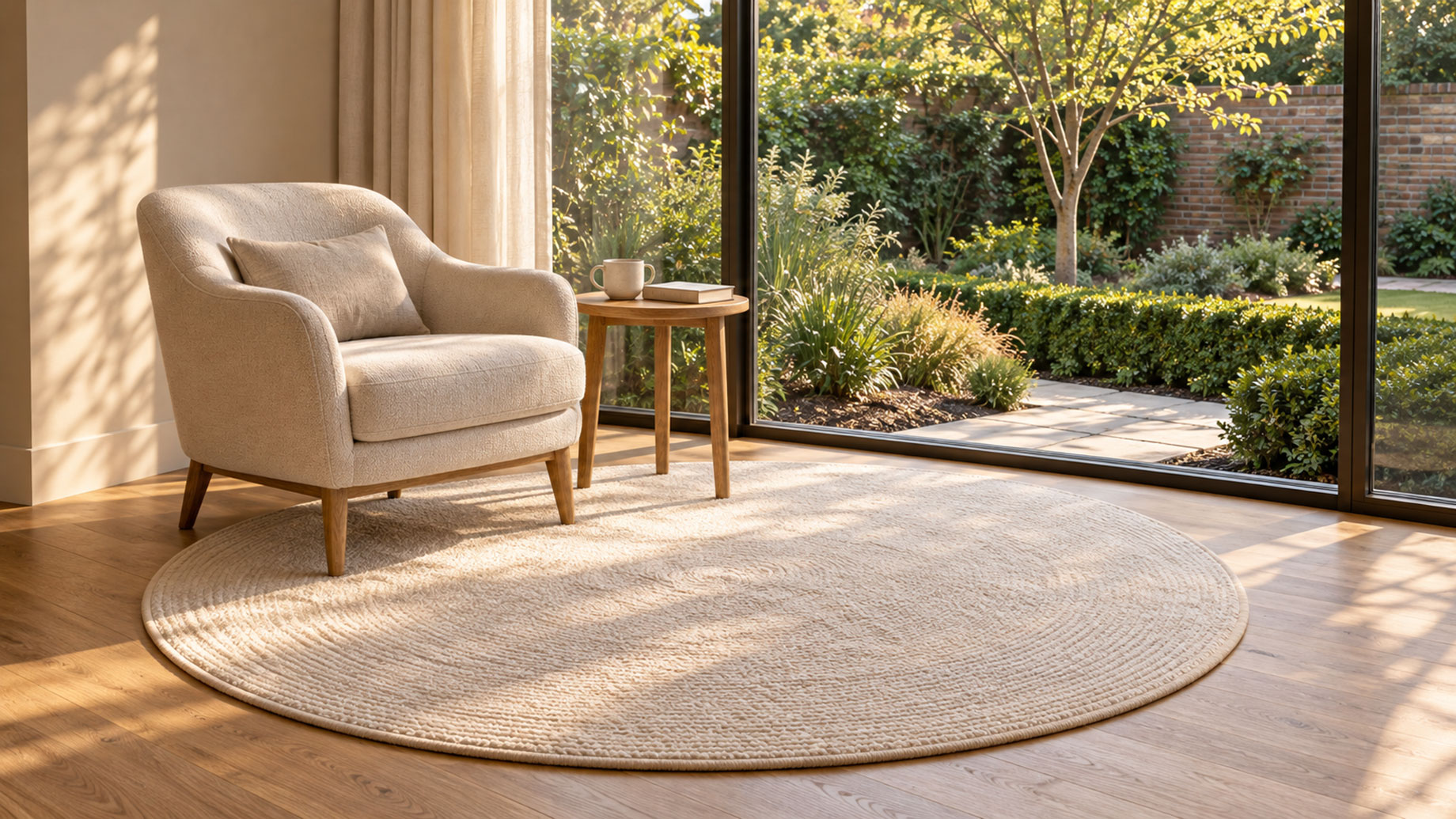
Rugs are a great example. Square and rectangular rugs are the default, but round area rugs can soften a room full of straight lines and hard edges. They work especially well:
- Under a round dining table, so chairs slide out without catching
- In an entry hall, to create a welcoming landing spot
- In a reading nook, paired with an armchair and floor lamp
- In bedrooms, to break up a boxy layout
Browsing a range of round area rugs with your room’s colours in mind makes it easier to find one that ties the space together. As a rough guide, pick a size that leaves about 30cm of floor visible around a dining table’s chairs when they’re pulled out.
Keep the rest of the room consistent too. A home where every room designed separately is the norm rarely feels cohesive, even when each space looks good on its own.
A Quick Example
Picture a 1970s brick home in Melbourne’s eastern suburbs. A huge, struggling gum hid the front windows and shaded the whole front garden. The owners had an arborist remove it, replanted with a pair of smaller native trees and refreshed the garden beds with mulch and low hedging. Inside, they swapped a worn rectangular rug under the round dining table for a circular one in warm neutrals. The total cost was a fraction of a renovation, and visitors started commenting on how much brighter and calmer the place felt.
Pick One Inside, One Outside
This weekend, walk out to the street and look back at your home. Note the one outdoor element that bothers you most, whether it’s a tree, a messy bed or a cracked path. Then do the same in your main living space. Fix those two things first, and you’ll be surprised how much better the whole property feels.
