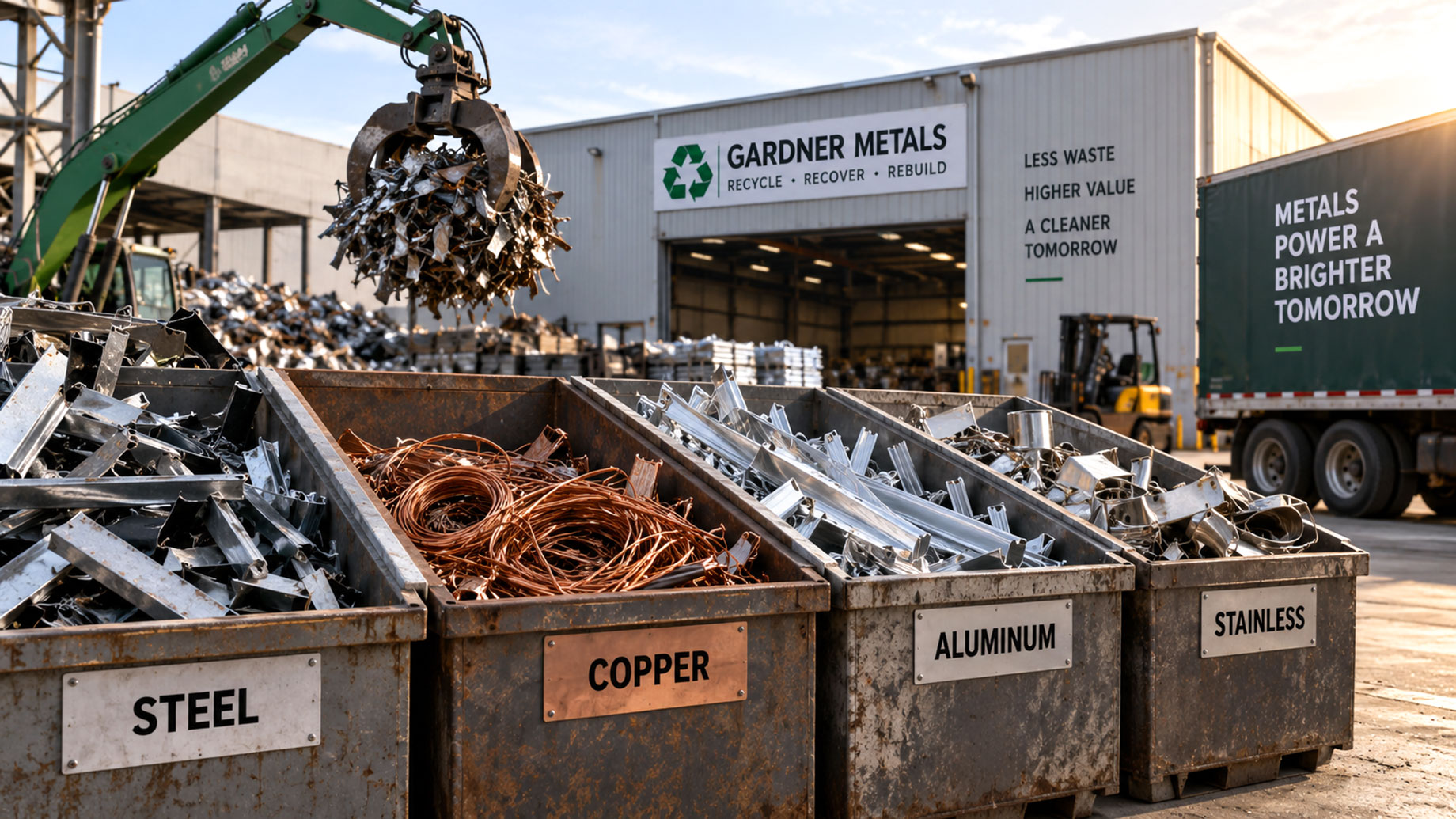
For most manufacturers and construction firms, scrap metal gets treated as a nuisance: something heavy that piles up in a corner and eventually gets hauled off to a landfill at a cost. That mindset quietly bleeds money in two directions at once, paying to throw away a material that someone else would gladly pay to buy. The good news is that it is also one of the easiest leaks a business can plug.
Commercial metal recycling flips that equation. Instead of routing steel, copper, and aluminum into the trash, a structured program pulls those metals out of the waste stream and sends them back into the supply chain. For any operation generating regular scrap, partnering with Gardner Metals recycling can turn a line-item expense into a source of income. Here is how it works on both sides of the ledger.
Cutting Waste at the Source
The waste savings show up fast, because metal is heavy and haulers charge by weight and volume.
- Lower landfill fees. Pulling steel, iron, aluminum, and copper out of your regular trash drops the total tonnage of municipal solid waste, which directly cuts monthly dumpster and tipping fees.
- Reclaimed floor space. Loose scrap eats up square footage and creates safety hazards. Dedicated bins and self-dumping containers organize the shop floor and shorten forklift trips.
- Cleaner compliance data. A good partner supplies certified weight tickets and diversion metrics, which feed ESG reporting, LEED certifications, and state landfill-diversion rules.
Nationally, American industries already divert more than 85 million metric tons of metal from landfills each year, preserving disposal capacity and conserving raw resources. Recycling steel spares iron ore, coal, and limestone, while recycling aluminum uses up to 95% less energy than making it from scratch. Every ton kept out of the ground is also a ton of mining emissions avoided, which is why so many buyers now favor suppliers with a documented recycling record.
Turning Scrap Into Income
The revenue side is where recycling stops being a cost center and starts paying for itself.
Industrial processes constantly generate valuable scrap. Structural steel and iron deliver steady returns, but non-ferrous metals pay a premium: copper from wiring and plumbing, aluminum from extrusions and punchings, and stainless steel all command higher rates per pound. The EPA’s own recycling benefits overview underscores how much economic value sits in materials most businesses simply discard.
Two moves push those payouts higher:
- Volume pricing. Commercial accounts are not paid the retail rates posted at a drive-up scale. Providers index prices to commodity baselines like the London Metal Exchange, so bulk sellers capture far more per pound.
- Offsetting material costs. A machine shop that recycles its aluminum turnings through a closed-loop contract can recover a real slice of what it spent on the original stock, effectively hedging its raw material budget.
Many states also offer tax credits, rebates, or exemptions for businesses that build recycling into their operations, sweetening the return even further.
Best Practices for a High-Yield Program
Getting the most out of a program takes a little discipline. Three habits separate a profitable setup from a mediocre one:
- Separate at the source. Scrap value depends on purity. Mixing stainless with carbon steel drags the whole container down to the lowest grade, so labeled, color-coded bins belong right where the metal is made.
- Manage liquid contamination. Yards discount wet loads. A chip spinner or briquettor pulls cutting fluids out of turnings, which reclaims expensive coolant for reuse and bumps the metal into a dry-weight premium tier.
- Match the pickup schedule. Pick a partner whose swap-outs fit your cadence, ideally fast container turnarounds, so full bins never clog your docks.
None of these steps are complicated, but skipping them is how companies leave easy money on the table. A load that arrives sorted, dry, and on schedule can be worth noticeably more than the same metal dumped in a single mixed bin.
The Bottom Line
Commercial metal recycling is not just a sustainability checkbox. It is a practical way to shrink two costs and open one revenue stream at the same time: lower hauling fees, a cleaner and safer floor, and steady payouts for material you were already throwing away.
Set up source separation, keep loads clean and dry, and choose a partner whose logistics match your pace. Do that, and the scrap pile in the corner becomes one of the easiest wins on your balance sheet.
