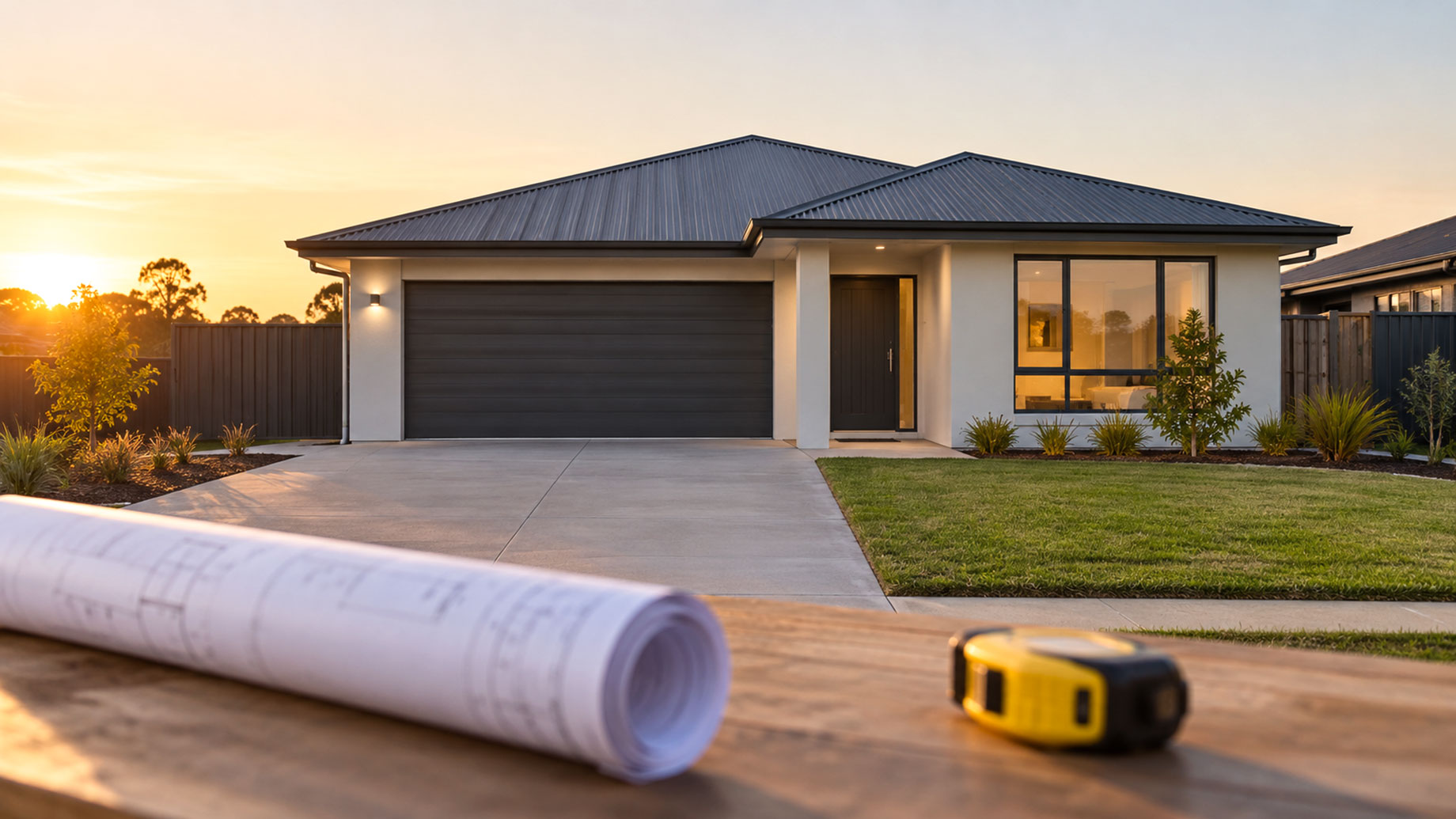
Buying an established rental property is not the only way into the investment game. For some buyers, starting with a bare section and building from scratch works out better in the long run.
It takes more coordination than buying something ready-made, but it also gives you far more control over layout, quality, and long-term rental appeal.
Why Building From Land Can Beat Buying an Existing Rental
A new build usually needs less maintenance in its early years, which means fewer surprise costs eating into your rental income. You also get to design the property around what tenants actually want, rather than working around someone else’s choices.
There are downsides too, including the time it takes to get through planning and construction. For investors willing to be patient, though, the payoff is often a property that performs better for longer.
Step 1: Get the Land Surveyed Before You Plan Anything
Before you fall in love with a floor plan, you need to know exactly what you are working with. Boundaries, contours, and existing services all shape what can realistically be built on a section.
Skipping this step is one of the most common and costly mistakes first-time land buyers make.
Why a Professional Survey Comes First
A land surveyor confirms your legal boundaries, checks the site’s contours, and flags anything that could complicate consent or construction. This information feeds directly into your architect’s design and your builder’s quote.
If you are buying land or already own a section you plan to build on, it is worth taking the time to browse professional surveying services before you commit to a design. Getting accurate data early avoids expensive redesigns later.
Consurv is one example of a firm that specialises in this kind of construction-focused survey work, and teams like this are used to working alongside architects and builders from the very first site visit.
What a Survey Actually Protects You From
Without an accurate survey, you risk designing a home that does not actually fit the buildable area once setbacks and easements are accounted for. Council can also reject consent applications that rely on inaccurate site data.
A proper survey protects your budget just as much as your timeline, since redesign costs after a rejected consent application can run into the thousands.
Step 2: Design and Consent Your Build
Once you know exactly what your section allows, you can start working with a designer or architect on a layout suited to renters. Practical, low-maintenance layouts tend to perform better as rentals than highly customised designs.
Consent timelines vary depending on your council and the complexity of the build, so it pays to build some buffer into your overall project schedule. Our earlier guide on planning a successful residential build covers budgeting, permits, and site evaluation in more detail if you want a deeper look at this stage.
Step 3: Choose the Right Builder for Your Region
With consent in hand, the next major decision is who actually builds the home. This is where a lot of investors either save money through good planning or lose it through poor coordination.
Why Local Experience Matters in Construction
A builder who works regularly in your region already understands local soil conditions, council expectations, and typical consent requirements. That familiarity tends to translate into fewer delays and fewer surprises during the build.
If your project is in the Waikato, it is worth taking time to find experienced builders in Hamilton who know the area and can walk you through their process before you sign anything. RND Builders is one local option that works specifically with residential clients across the wider Hamilton region.
Managing the Build Timeline
Once construction starts, staying in regular contact with your builder helps you catch small issues before they become expensive ones. Site visits at key milestones, like framing and pre-lining, are worth the time investment and give you a clearer picture of progress.
A realistic schedule also helps you plan your finances, since holding costs on land and construction loans add up quickly if a project runs long. Ask your builder for a written timeline early, so you both have something concrete to track progress against.
Step 4: Prepare the Property for Tenants
Before you list the property for rent, make sure it meets current compliance standards, including healthy homes requirements around heating, insulation, and ventilation. A new build usually clears these easily, but it is worth confirming rather than assuming.
Simple additions like durable flooring, easy-clean surfaces, and secure storage tend to reduce wear and tear from tenants over time. These small decisions during the build phase pay off once the property is occupied.
Step 5: Hand It Over to a Property Manager
Once the build is finished and compliant, most investors are better off handing day-to-day management to a professional rather than self-managing, especially if this is their first rental property.
What Good Property Management Actually Covers
A solid property manager handles tenant screening, rent collection, routine inspections, and maintenance coordination, which removes a significant amount of ongoing work from your plate. They also tend to know current tenancy law better than a first-time landlord would.
If your new build is in Auckland, it is worth taking time to explore property management services in Auckland before your first tenants move in. Harcourts Reforma is one established option that manages a large portfolio of rental properties across the wider Auckland region.
Common Mistakes First-Time Investors Make
Underestimating timelines is probably the most common issue, since land purchase, consent, and construction rarely move as fast as investors initially expect. Building in extra time and budget contingency from the start avoids a lot of stress later.
Another frequent mistake is choosing finishes based on personal taste rather than what performs well for renters. Durability and low maintenance generally matter more to long-term returns than premium fittings.
Conclusion
Turning vacant land into a rental property takes more steps than buying something ready-made, but each stage gives you more control over the outcome. Getting the site surveyed properly, choosing a builder who knows your region, and handing the finished property to a capable manager are the three decisions that matter most.
Done well, a new build can end up outperforming an older rental for years, both in tenant appeal and in the amount of maintenance it demands from you as an owner.
Frequently Asked Questions
1. Do I need a survey even if I already own the land?
Yes, especially if the land has not been surveyed recently, since boundaries, easements, and contours all affect what can be built and how consent applications are assessed.
2. How long does it typically take to go from land purchase to a tenant-ready property?
Timelines vary widely depending on council processing times and build complexity, but most straightforward projects take somewhere between twelve and eighteen months from purchase to completion.
3. Is it worth hiring a property manager for just one rental property?
Many first-time landlords find it worthwhile, since a manager handles compliance, tenant screening, and maintenance coordination, which reduces the risk of costly mistakes on a property you are still learning to manage.
4. What is the biggest cost risk when building a rental property from scratch?
Design changes made after consent is granted tend to be the most expensive risk, which is why accurate survey data and a well-planned layout matter so much before construction begins.
