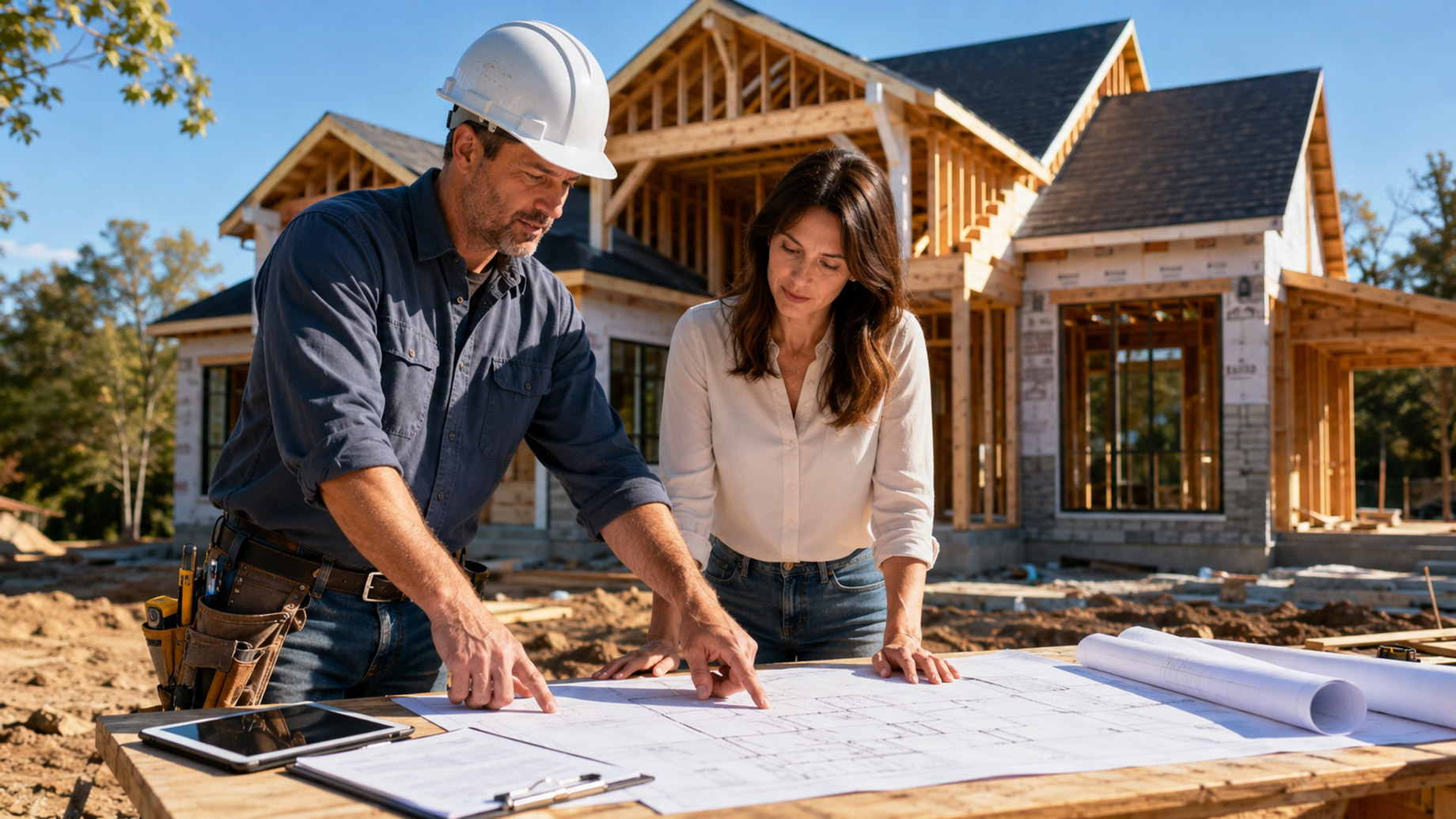
Building a new home is an exciting journey that allows homeowners to create a living space tailored to their lifestyle, preferences, and future needs. However, a successful residential construction project requires more than a great idea and a piece of land. Careful planning is essential to ensure the project stays on schedule, remains within budget, and delivers the desired results.
Without proper preparation, homeowners may encounter unexpected costs, delays, design changes, and communication challenges. Taking a structured approach from the beginning helps reduce risks and creates a smoother building experience. From defining your goals to selecting the right professionals, every step plays an important role in the success of the project. Understanding how to plan effectively can help turn your vision into a well-built and comfortable home.
Define Your Goals and Vision
The first step in planning a successful residential build project is establishing a clear vision for your future home. Before meeting with architects or contractors, spend time identifying your priorities and expectations.
Consider factors such as the number of bedrooms and bathrooms, desired square footage, storage requirements, and lifestyle preferences. Think about how the home will serve your family both now and in the future. Features that meet your current needs may not be sufficient as circumstances change over time.
Creating a list of must-have features and optional upgrades can help guide design decisions throughout the project. A well-defined vision provides a strong foundation for everyone involved in the construction process.
Establish a Realistic Budget
Budgeting is one of the most important aspects of residential construction planning. A realistic budget should account for all project expenses, including land preparation, design fees, permits, materials, labor, landscaping, and utility connections.
Many homeowners focus only on construction costs and overlook additional expenses that may arise during the project. Setting aside a contingency fund for unexpected costs is highly recommended. Construction projects often encounter unforeseen challenges that require adjustments to the budget.
Working with experienced professionals early in the planning process can help create accurate cost estimates and prevent financial surprises. A carefully planned budget allows homeowners to make informed decisions and maintain control over project spending.
Select the Right Builder
Choosing the right builder is one of the most critical decisions in any residential construction project. The quality of workmanship, communication, and project management can significantly impact the overall experience and final outcome.
When researching builders, review their portfolio, check references, and verify licensing and insurance. Look for professionals who have experience constructing homes similar to the one you envision. Strong communication skills and transparency are equally important qualities to consider.
Working with a reputable custom home builder can provide valuable guidance throughout every phase of the project. An experienced builder helps coordinate schedules, manage subcontractors, address challenges, and ensure quality standards are maintained from start to finish.
Choose the Right Location
The location of your home affects not only construction costs but also your long-term satisfaction with the property. Factors such as neighborhood characteristics, school districts, commute times, utility access, and future development plans should all be considered.
Before purchasing land, conduct a thorough evaluation of the site. Soil conditions, drainage, topography, and environmental factors can influence construction requirements and costs. Some properties may require additional grading, foundation work, or utility installation that impacts the overall budget.
Selecting the right location ensures that the home meets both practical and lifestyle needs while supporting future property value.
Develop Detailed Design Plans
A comprehensive design plan serves as the blueprint for the entire project. Working closely with architects and designers allows homeowners to create a floor plan that balances functionality, aesthetics, and budget considerations.
Detailed plans should include room layouts, elevations, structural specifications, electrical systems, plumbing arrangements, and material selections. The more complete the plans are before construction begins, the fewer changes will be required during the building process.
Design modifications made after construction starts often lead to delays and additional expenses. Investing time in the planning stage helps ensure that all design elements align with your goals and expectations.
Understand Permits and Regulations
Every residential construction project must comply with local building codes and regulatory requirements. Obtaining the necessary permits before construction begins is essential for avoiding delays, fines, and legal complications.
Permit requirements vary depending on the project’s location and scope. Common approvals may include building permits, zoning approvals, environmental assessments, and utility permits. Local regulations may also affect property setbacks, height restrictions, and architectural requirements.
Working with knowledgeable professionals can help navigate the permitting process efficiently and ensure compliance with all applicable regulations.
Create a Realistic Construction Timeline
A successful build project requires careful scheduling and coordination. Developing a realistic timeline helps establish clear expectations and allows homeowners to track progress throughout construction.
Several factors can influence project timelines, including weather conditions, permit approvals, material availability, and labor schedules. While some delays may be unavoidable, proper planning can minimize disruptions and maintain project momentum.
Regular communication with the builder and project team helps ensure that milestones are met and any issues are addressed promptly. A well-organized timeline supports smoother project execution and reduces uncertainty.
Prioritize Quality Materials and Craftsmanship
Material selection plays a significant role in the durability, appearance, and long-term value of a home. While it may be tempting to choose lower-cost options to reduce expenses, investing in quality materials often provides better performance and lower maintenance costs over time.
Consider products that offer durability, energy efficiency, and aesthetic appeal. High-quality windows, roofing materials, insulation, flooring, and appliances can enhance both comfort and property value.
Equally important is the quality of craftsmanship. Skilled construction professionals help ensure that materials are installed correctly and that the finished home meets high standards of performance and reliability.
Plan for Future Needs
A home should not only meet your current needs but also accommodate future changes. Planning ahead can help avoid costly renovations later and increase long-term satisfaction with the property.
Consider factors such as family growth, aging in place, home office requirements, storage needs, and energy efficiency upgrades. Designing flexible spaces that can adapt to changing circumstances adds value and functionality to the home.
Thinking strategically about future needs allows homeowners to create a residence that remains practical and comfortable for many years.
Conclusion
Planning a successful residential build project involves careful preparation, thoughtful decision-making, and collaboration with experienced professionals. From defining your vision and establishing a budget to selecting the right builder and creating detailed plans, every step contributes to the project’s success.
By taking a proactive approach and addressing potential challenges before construction begins, homeowners can reduce stress, control costs, and achieve better outcomes. A well-planned residential build not only results in a beautiful home but also provides long-term value, comfort, and satisfaction for years to come.
