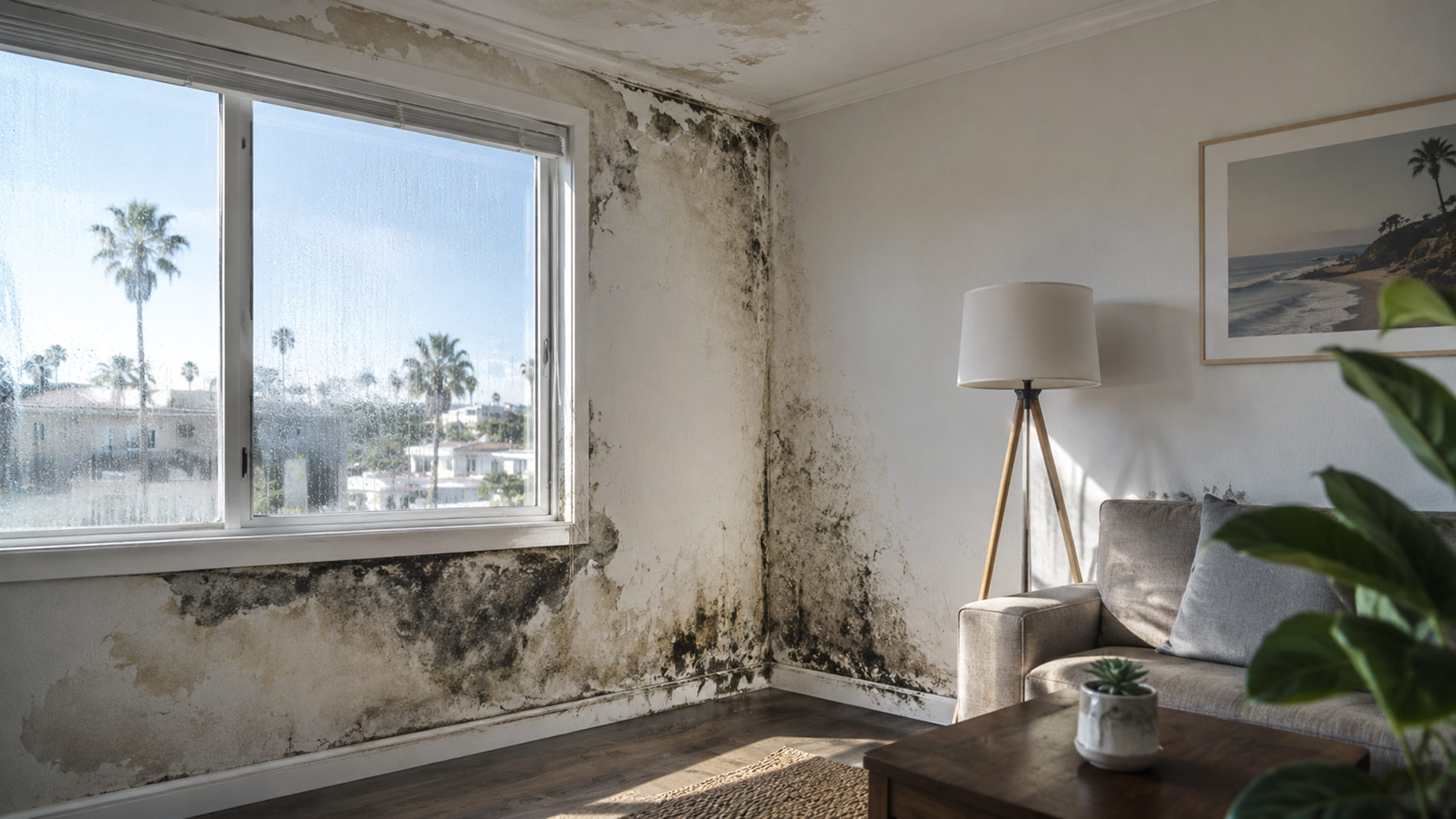
Yes, you may be able to sue a landlord for toxic mold in San Diego. This can be done when the mold is linked to a serious property problem, the landlord knew about it and failed to take reasonable action, or you suffered losses. Simply finding mold in a rental does not automatically mean you have a legal claim. The circumstances surrounding the problem are what really matter.
San Diego is known for its coastal neighborhoods, sunny weather, and comfortable year-round climate. But due to coastal humidity, temperature swings that create indoor condensation, and limited home ventilation, many homes in the city have mold growth. This mold can cause serious health issues.
If your landlord has been notified of a persistent mold problem but has not properly addressed it, you can seek toxic mold legal help in San Diego. A toxic mold lawyer can help you determine whether your situation meets the criteria for legal action and what steps to take next.
When Can You Sue a Landlord for Toxic Mold?
Before considering a lawsuit, look at how the mold developed and how your landlord responded. Your case may be stronger when the following circumstances apply.
The Mold Comes From a Property Problem
A landlord may have responsibility when toxic mold develops because of a leaking roof, broken plumbing, flooding, water intrusion, or another building-related problem.
For instance, if a pipe has been leaking inside a wall for months and the resulting moisture causes extensive mold. This is different from a small amount of mold caused by everyday bathroom condensation.
You Told the Landlord About It
A landlord generally needs to know about a problem before they can be expected to correct it. That is why it is important to report mold and related leaks or moisture problems as soon as you notice them.
Whenever possible, make the complaint in writing. Emails, texts, maintenance requests, and letters can later help establish when the landlord was informed.
The Landlord Failed to Properly Fix It
A temporary cleanup may not be enough if the source of the moisture remains.
For example, painting over a moldy wall without repairing the leaking pipe behind it may only hide the problem for a short time. If the mold comes back and the underlying issue remains unresolved, keep records of what happened.
You Suffered Documented Losses
A potential lawsuit is generally more substantial when you can show actual damages. Depending on the circumstances, these may include medical expenses, damaged personal property, temporary housing costs, lost income, or other qualifying losses.
If you believe mold exposure affected your health, keep relevant medical records and discuss your symptoms with a healthcare professional.
How Do You Sue a Landlord for Toxic Mold?
If the conditions above apply, take a few practical steps before considering court action.
- Document everything, including mold, water stains, leaks, damaged walls, and other affected areas.
- Notify the landlord about the problem clearly.
- Keep a record of repairs.
- Gather supporting evidence, such as your lease, inspection reports, repair records, medical documentation, receipts, and records of damaged belongings.
- Report serious housing problems.
- Speak with a toxic mold lawyer.
Note: California Civil Code § 1941.1 outlines conditions that may affect whether a rental property is considered untenantable, including effective waterproofing, plumbing, sanitation, and ventilation. When serious mold is connected to unresolved moisture or water problems, these habitability requirements may be relevant.
Key Takeaways
- You may be able to sue a landlord for toxic mold when serious property conditions are ignored.
- The landlord’s knowledge and response can be important.
- Report mold and moisture problems in writing.
- Keep photographs, repair records, inspection reports, and other evidence.
- Document any financial or health-related losses.
- Consider speaking with a toxic mold lawyer in San Diego before deciding how to proceed.
