
Bitcoin and other crypto assets can fund selected luxury real estate purchases, including residences in Miami, villas on the French Riviera, and privately marketed estates in Switzerland. Documented examples also exist in Dubai and Madeira. Acceptance depends on the individual seller, development, payment provider, and legal structure of the transaction.
For a buyer with substantial digital assets, property can serve several purposes: a primary residence, a second home, or an investment intended to generate income. The essential distinction is between the asset used to fund the purchase and the property rights acquired. Paying from a crypto wallet does not, by itself, change how a home is legally owned.
Understanding that distinction reveals a more useful picture of this market than a simple list of destinations where cryptocurrency is supposedly accepted everywhere.
What Does Buying Property With Crypto Actually Mean?
The phrase covers several arrangements that should be considered separately.
| Arrangement | How it works | What the buyer needs to establish |
|---|---|---|
| Seller accepts cryptocurrency | The parties agree that crypto will form some or all of the consideration for the property. | Which asset is accepted, who receives it, how its value is fixed, and how legal ownership transfers. |
| Crypto is converted into conventional currency | The buyer supplies digital assets, which are exchanged for euros, dollars, dirhams, or another currency used in the transaction. | Who performs the conversion, the costs, the timing, and the requirements of the receiving bank or closing professional. |
| Investment through property tokens | An investor acquires a digital token representing specified rights connected to real estate. | Whether those rights involve registered ownership, shares in a company, debt, or another contractual interest. |
A tokenized investment may be purchased with conventional currency. Equally, a home funded with Bitcoin may transfer through an ordinary deed and land-registration process, without any property token being issued.
Some providers also advertise loans secured against crypto holdings. That is a financing arrangement with its own collateral and repayment terms; it does not establish that the property seller receives cryptocurrency.
Luxury Property Markets With Documented Crypto Connections
The following examples include completed-sale announcements, published payment services, and advertised seller willingness. Their dates and transaction structures matter when assessing what may be available for a new purchase.
Miami and Surfside, Florida
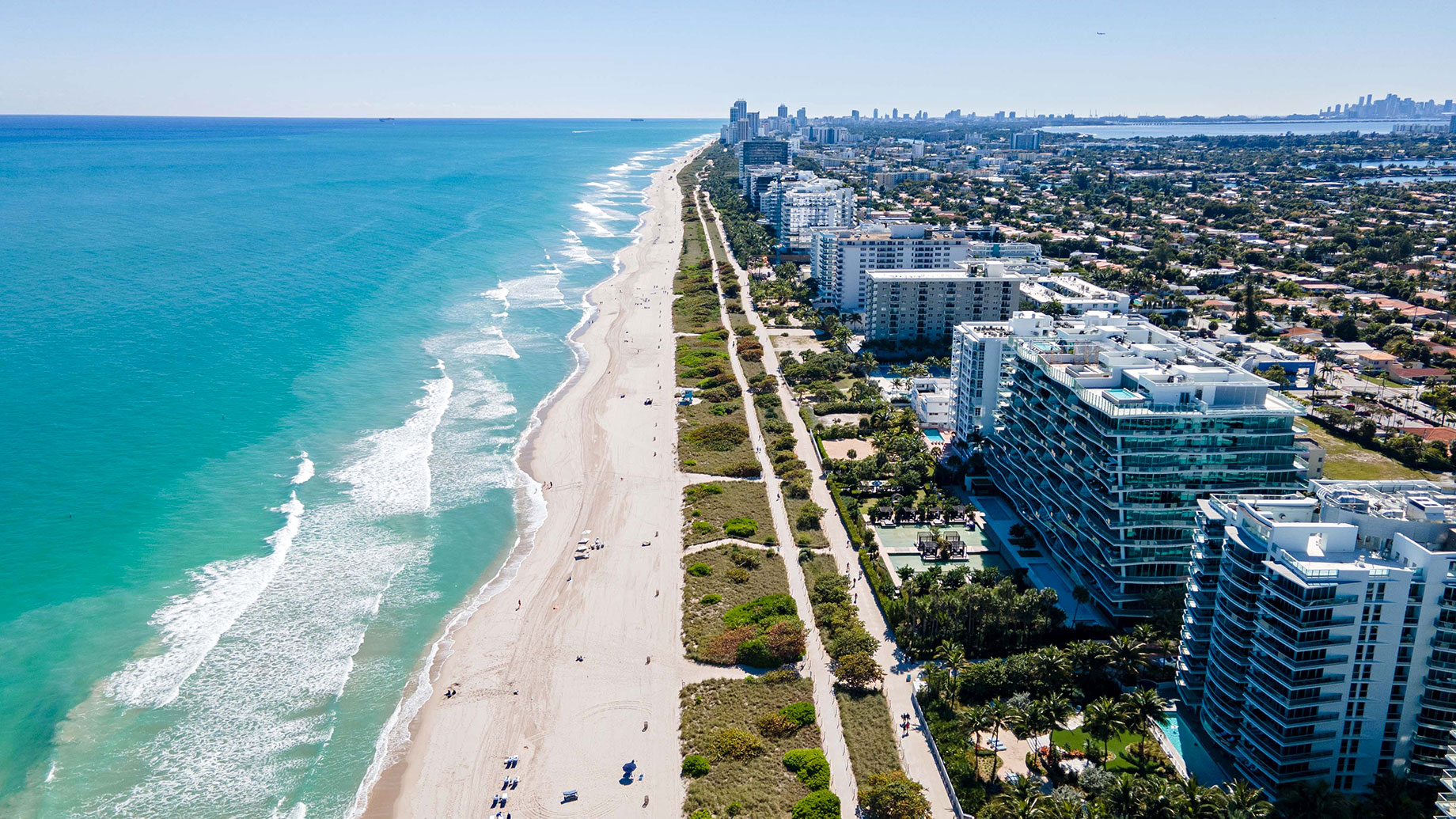
South Florida offers a documented example at the upper end of residential property. In May 2021, the developers of Arte by Antonio Citterio announced the sale of its Lower Penthouse in Surfside for $22.5 million to a purchaser using cryptocurrency.
The announcement did not identify the cryptocurrency or explain whether it was converted before final settlement. It therefore supports a luxury purchase involving crypto, without establishing a Bitcoin-only or entirely on-chain closing.
A more recent, publicly advertised option is The Rider Residences in Miami. Its official developer website, reviewed in September 2026, explicitly promotes crypto acceptance. Propy’s project page separately advertises crypto escrow for preconstruction purchases and loans backed by digital assets. Buyers need to establish which arrangement applies to their contract and distinguish a preconstruction commitment from ownership of a completed residence.
These offerings sit within a broader market that includes design-led developments such as Miami’s branded waterfront residences. Architecture, location, service charges, and the terms of ownership remain central to the decision, whatever the payment method.
Dubai, United Arab Emirates
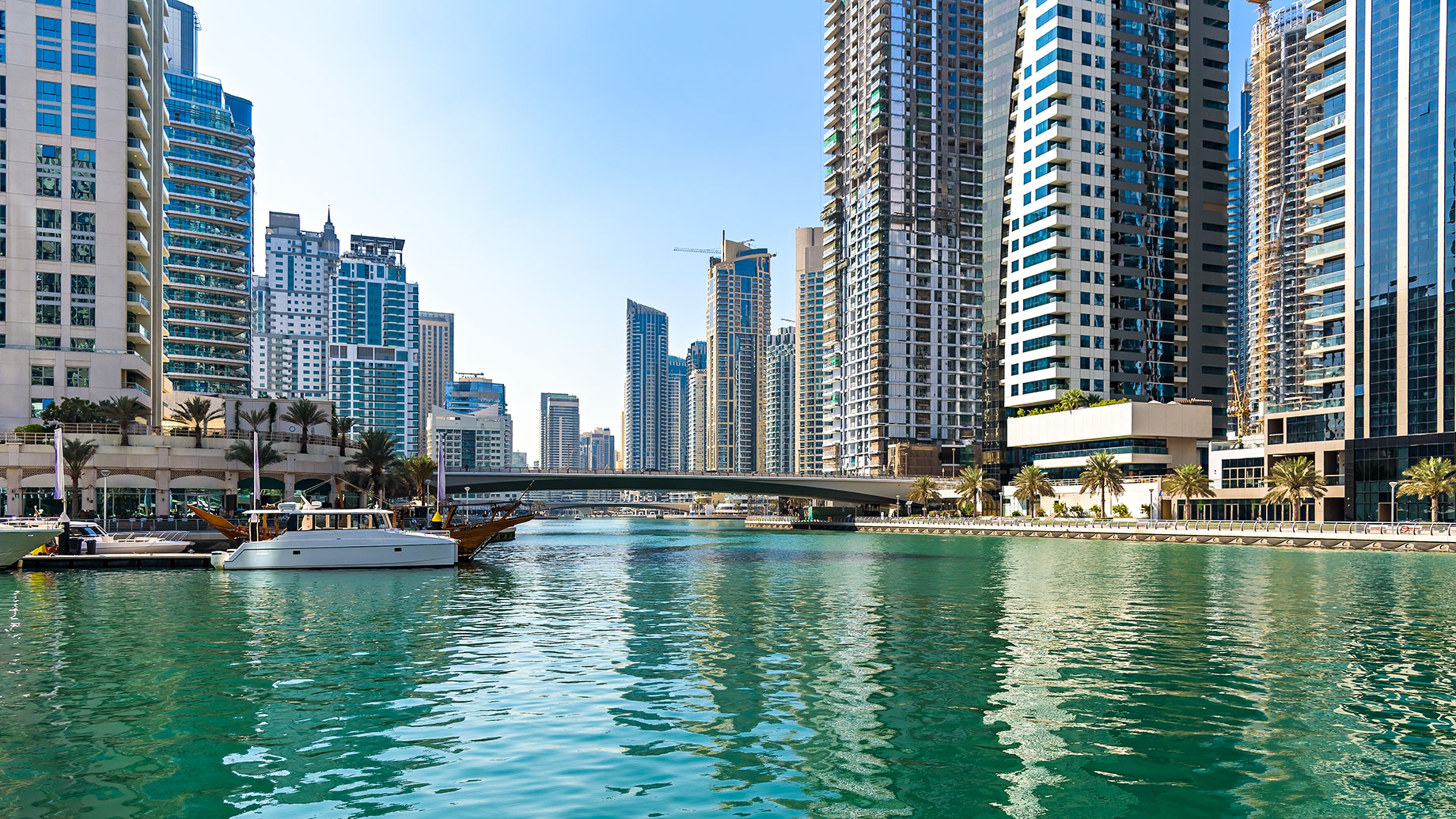
Dubai has attracted attention through developer initiatives aimed at buyers holding digital assets. In April 2022, DAMAC announced that it would facilitate property purchases by Bitcoin and Ethereum holders through conversion into conventional currency.
That wording is significant. The initiative described a route from crypto wealth into real estate; it should not be read as a standing promise that every DAMAC property can now be bought through a direct wallet transfer.
The UAE’s central-bank payment-token rules also restrict business acceptance of virtual assets for goods and services. For a current transaction, the conversion provider, settlement currency, and applicable permissions need to be established before money moves.
Buyers considering Dubai’s evolving waterfront communities should therefore assess two things together: the property itself and the specific payment arrangement offered for it. A developer’s historical announcement is a starting point for inquiry, rather than confirmation of today’s contract terms.
The French Riviera, France

The French Riviera illustrates how crypto can fund a conventional property acquisition through a dedicated conversion process.
In July 2025, luxury brokerage Magrey & Sons announced a partnership with Legibloq for transactions involving cryptocurrency. Legibloq describes a process involving buyer identification, checks on the origin of funds, crypto custody, and conversion into euros when the notary requests funds. The euros are then transferred to the notary’s account.
Under this model, a buyer can draw on digital assets while the property transaction settles in euros. The seller does not need to agree to hold Bitcoin or another cryptocurrency.
Current provider authorization matters. France’s transition from its former domestic crypto-service regime to MiCA ended in July 2026, so an older reference to French PSAN registration is insufficient on its own to establish present authorization to provide crypto services.
For buyers drawn to settings such as the private estates of Les Parcs de Saint-Tropez, this conversion model is relevant to funding. Each estate’s availability, ownership position, and seller terms still require separate confirmation.
Madeira, Portugal

Madeira provides a useful historical example involving a cryptocurrency other than Bitcoin. In 2021, Prometheus International announced sales of two luxury homes totaling €4.1 million, funded using ADA, the native cryptocurrency of Cardano. The properties were under construction when the sales were reported.
In an interview with The Portugal News, the developer’s chief executive described receiving crypto through company exchange accounts, converting it into euros, and transferring those euros into the company’s bank account before completing the transaction process.
This is a concrete example of crypto funding luxury development purchases through currency conversion. It is not evidence that the homes changed registered ownership solely through a blockchain transfer, or that every Portuguese seller accepts ADA.
For a new purchase, the buyer would need fresh confirmation of the developer’s accepted assets, payment stages, conversion arrangements, and completion obligations. The 2021 transactions establish a precedent, not the terms of a current offering.
The Lake Geneva Region, Switzerland

In Switzerland, Bob Hurwitz’s Château de Merlinge listing near Lake Geneva advertises the estate at US$63 million and states that the seller will accept Bitcoin.
Swiss acquisition rules remain relevant. The Federal Office of Justice explains that purchases by persons abroad can be subject to authorization under the framework commonly known as Lex Koller, with the competent canton assessing the individual case. A seller’s willingness to accept crypto does not resolve the buyer’s eligibility to acquire the property.
The practical opportunity is therefore a negotiated purchase of a particular estate, subject to updated seller confirmation and the ordinary legal requirements of ownership.
Buying A Luxury Home Versus Making A Property Investment
A payment method does not establish an investment case. A residence chosen for family use may be assessed primarily through location, privacy, design, and convenience. An income-producing property also needs a realistic assessment of demand, permitted uses, operating expenses, management, and eventual resale.
For a luxury apartment, recurring costs can include building service charges, insurance, maintenance, and reserves for major work. A villa introduces different questions about staffing, grounds, pools, and periods without occupancy. If rental income is part of the plan, local rules and the property’s own governing documents need to support that use.
The physical asset deserves the same scrutiny regardless of how it is funded. An independent pre-purchase inspection can help identify condition issues that photographs and payment technology cannot resolve.
Converting some digital wealth into property also changes the form of risk. The buyer acquires exposure to a specific location, building, ownership structure, and relatively illiquid asset. Rental income and appreciation remain uncertain.
Tokenized Real Estate Is A Separate Investment Category

Tokenization concerns how investment rights are represented and transferred. It should not be treated as another name for buying an entire home with cryptocurrency.
Dubai Land Department’s May 2025 launch of the Prypco Mint pilot makes this distinction clear. The initiative offered tokenized shares in ready properties, with a starting investment of AED 2,000. At launch, participation was limited to UAE ID holders, and transactions were exclusively in dirhams, without cryptocurrency payments.
In February 2026, the department announced a further phase enabling secondary resale of property tokens within a controlled pilot framework. This demonstrated development of the investment infrastructure, while leaving participation and trading subject to the programme’s rules. It did not establish guaranteed liquidity or unrestricted access for every international investor.
For any tokenized property offering, the decisive document is the one defining the investor’s rights. A token might represent an interest in a property-owning company, a debt claim, or a form of registered fractional ownership. Those structures differ in control, income entitlement, transfer restrictions, and treatment if an intermediary fails.
Investors should establish who holds legal title, how distributions are calculated, what fees apply, and whether there is a realistic exit mechanism. A token’s technical transferability does not guarantee a willing buyer or the right to occupy the underlying residence.
What To Confirm Before Funding A Purchase With Crypto
The transaction should be designed around an agreed property contract and a documented payment process. Five questions deserve clear answers:
- Who accepts the payment? Identify whether the seller, a conversion provider, or a financing company receives the crypto. Confirm the exact legal entity, its role, and any required authorization.
- How is the price fixed? Establish the contractual currency, exchange-rate source, quote validity, fees, and responsibility for movements in value before settlement. Specify the accepted asset and blockchain network.
- How are funds held and released? Review the custody or escrow arrangement, release conditions, and cancellation terms. Establish whether a refund would return the original crypto amount or a conventional-currency value.
- What evidence is required? Agree on identity and source-of-funds documentation with the relevant professionals before transferring assets. Exchange records, acquisition history, and wallet transactions may form part of that review.
- What are the tax consequences? Spending crypto can itself create a taxable disposal. For example, the US Internal Revenue Service treats exchanges of digital assets for other property as transactions that can produce gains or losses. The property purchase may create additional tax obligations in its own jurisdiction.
A local property lawyer or notary, a tax adviser familiar with the buyer’s circumstances, and the relevant closing or payment professionals should resolve these points for the actual transaction. A successful wallet transfer is only one part of a successful property acquisition.
The Property Must Justify the Purchase
The documented examples show that crypto wealth can reach luxury real estate through several workable structures. Miami combines a reported trophy-home sale with advertised development options. Dubai and the French Riviera illustrate the importance of conversion and settlement arrangements. Madeira offers a historical development example, while the Swiss listing demonstrates individual seller willingness.
For the buyer, the enduring questions remain familiar: whether the property suits its intended use, whether ownership is properly established, and whether the total cost makes sense. Bitcoin and other crypto assets can provide a funding route. The quality of the real estate and the terms of the transaction determine what that route ultimately delivers.
