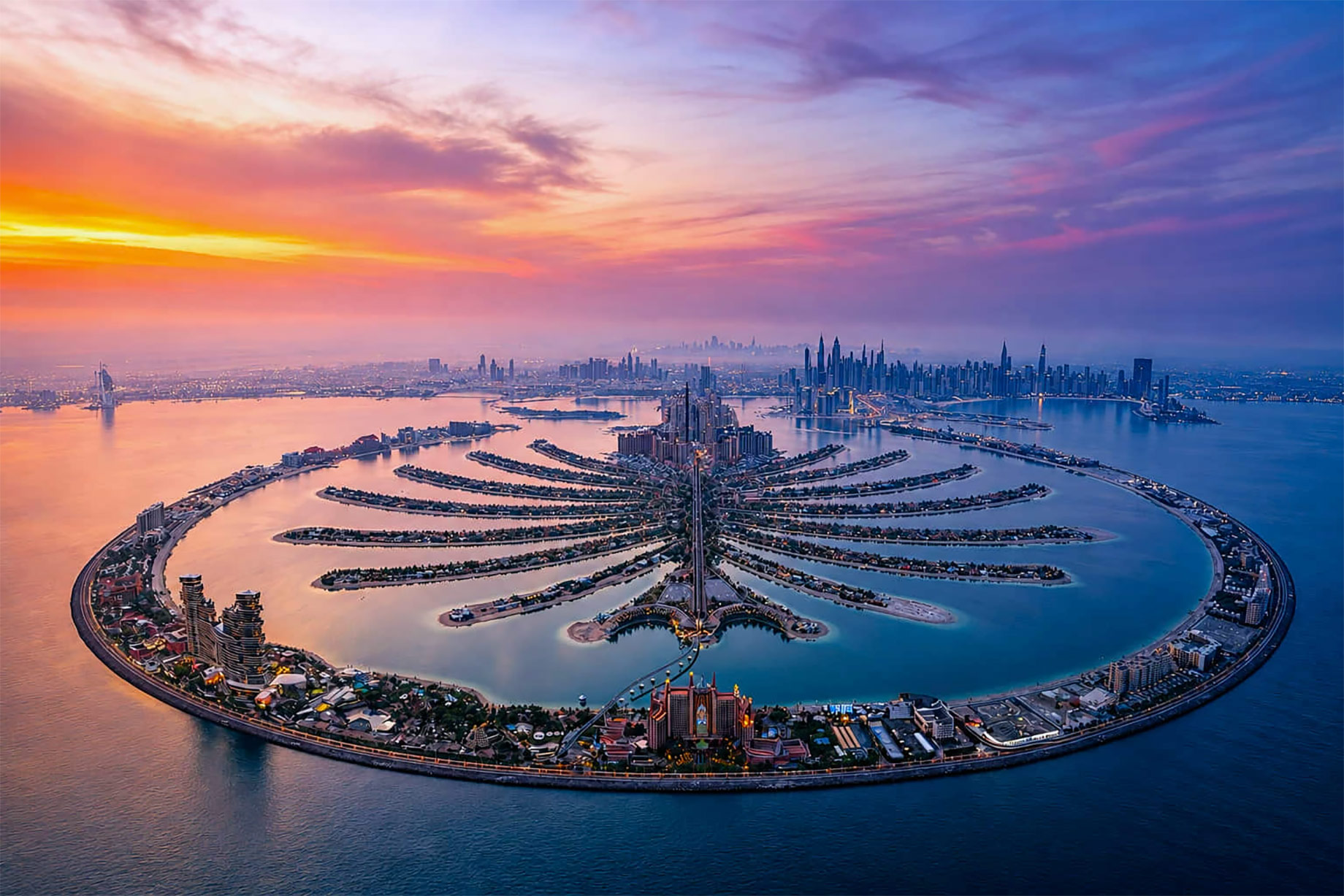
For more than two decades, Dubai has used its coastline as a canvas for some of the world’s most ambitious real estate developments. Palm Jumeirah became an international symbol of the city’s ability to combine engineering, architecture, hospitality, and luxury living in a way few global destinations could replicate.
Today, Dubai’s waterfront property market is entering another phase.
Palm Jumeirah remains one of the city’s most prestigious addresses, but a new generation of master-planned communities is expanding the definition of waterfront luxury. Dubai Islands, Palm Jebel Ali, and Dubai Creek Harbour are creating new opportunities for buyers who want more than a sea view.
Modern luxury buyers are increasingly looking for complete destinations built around beaches, promenades, marinas, hospitality, wellness, dining, privacy, and long-term community planning.
The result is a broader and more sophisticated waterfront real estate market.
Palm Jumeirah Set the Benchmark
It is difficult to discuss waterfront real estate in Dubai without starting with Palm Jumeirah.
The development established a new benchmark for luxury residential property by combining beachfront villas, premium apartments, five-star resorts, restaurants, private beach clubs, and internationally recognized hospitality brands within one destination.
Its appeal goes beyond architecture.
Palm Jumeirah offers something difficult to reproduce in a major international city: direct waterfront living while remaining close to Dubai’s business districts, entertainment destinations, schools, and transport networks.
Over time, limited beachfront supply and strong international recognition have helped turn the community into one of Dubai’s most established prime residential markets.
But Dubai’s growth has created demand for additional waterfront destinations with different lifestyles, property types, and master plans.
That is where the next generation of communities is emerging.
Dubai Islands Brings Waterfront Living Closer to the City’s Historic Core
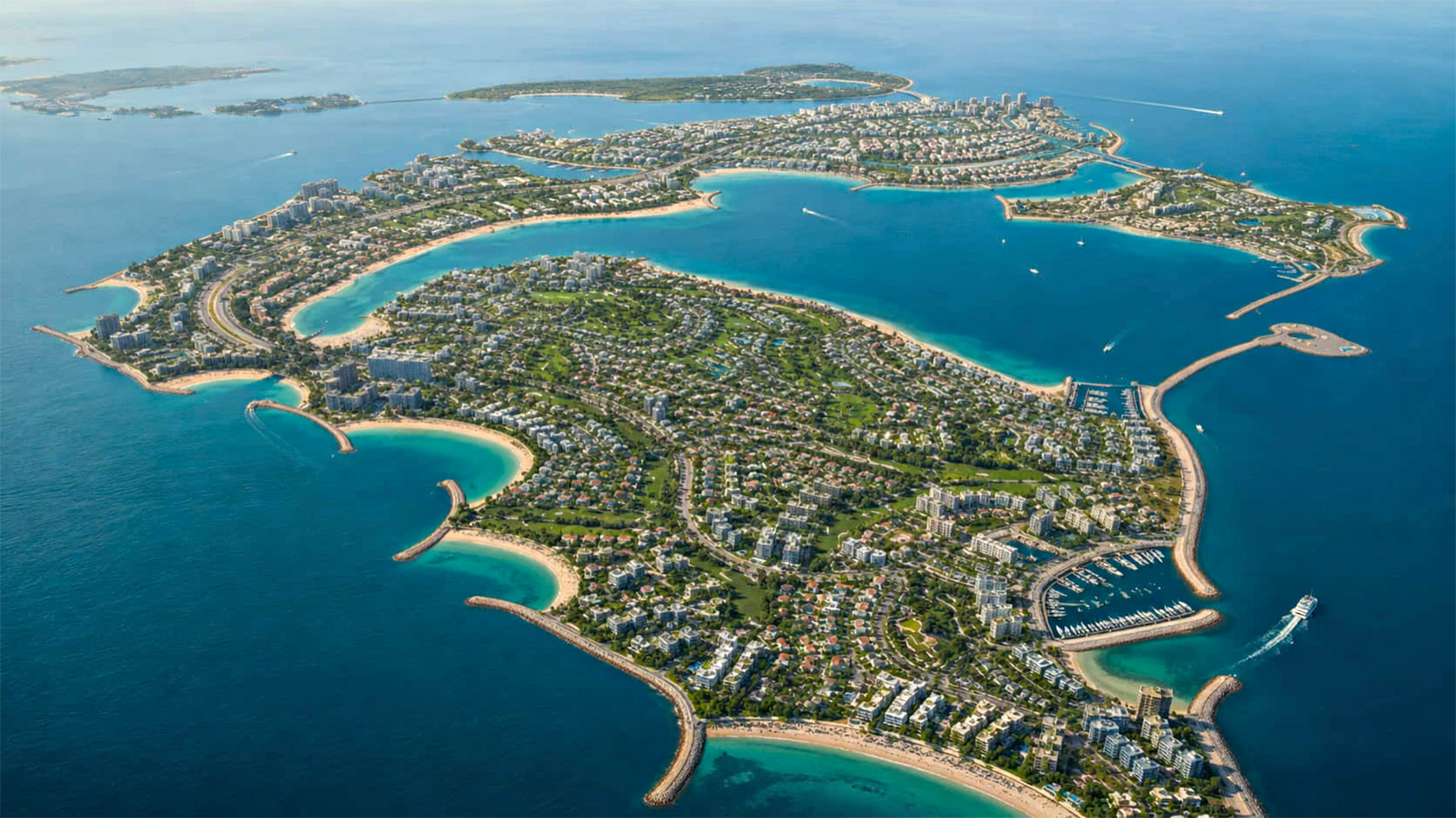
Dubai Islands represent one of the most significant additions to Dubai’s evolving coastline.
Located off the coast of Deira, the development is planned as a collection of interconnected islands combining residences, beaches, hospitality, leisure, retail, and waterfront attractions.
Its location is particularly interesting.
Much of Dubai’s modern luxury development historically expanded southwest along the coast. Dubai Islands introduces a major premium waterfront destination closer to older districts such as Deira while maintaining access to the wider city.
For property buyers, this creates a different proposition from established locations such as Palm Jumeirah.
New residential projects are being introduced alongside broader infrastructure and hospitality development, giving buyers access to an emerging district rather than a fully mature community.
This can appeal particularly to buyers exploring Dubai real estate who are interested in newer master-planned locations with long-term development potential.
The attraction is not simply new apartments or villas. It is the opportunity to participate in the development of an entirely new coastal destination.
Palm Jebel Ali Expands Dubai’s Ultra-Luxury Villa Market
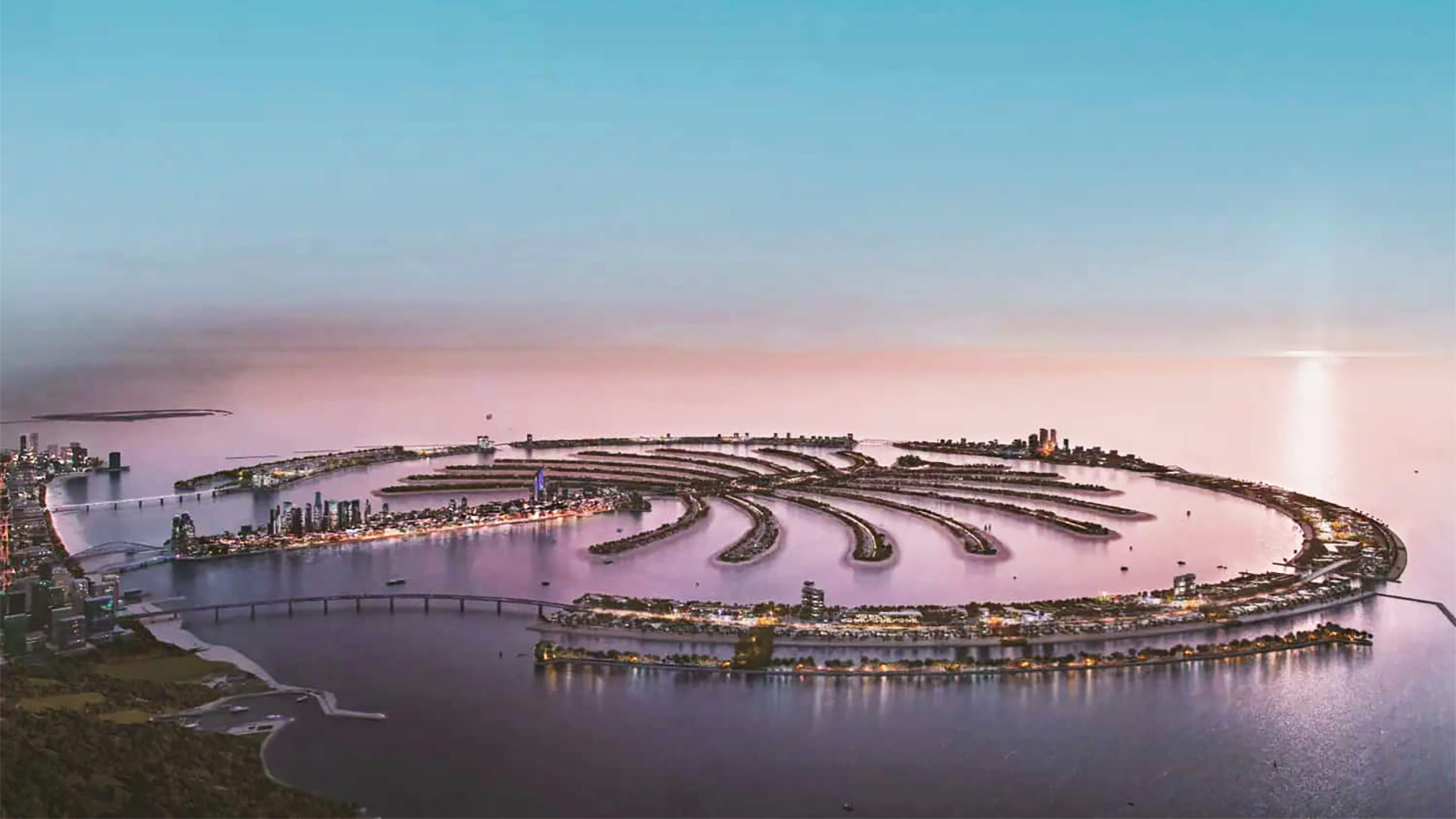
Palm Jebel Ali represents another major chapter in Dubai’s waterfront expansion.
While Palm Jumeirah became known for a combination of apartments, hotels, and villas, Palm Jebel Ali is expected to place significant emphasis on spacious beachfront residences and low-density coastal living.
For luxury buyers, privacy has become increasingly important.
Large plots, direct beach access, landscaped surroundings, private pools, and generous indoor and outdoor spaces are becoming defining characteristics of the upper end of Dubai’s residential market.
Palm Jebel Ali is positioned to respond directly to this demand.
Its scale also allows the master plan to create a more extensive waterfront environment with beaches, leisure destinations, hospitality, and supporting infrastructure integrated into the wider community.
For buyers comparing global luxury destinations, the proposition is compelling. Instead of choosing between a private villa and access to an international city, developments such as Palm Jebel Ali aim to offer both.
Dubai Creek Harbour Offers a Different Type of Waterfront Luxury
Not every waterfront buyer is looking for a beachfront villa.
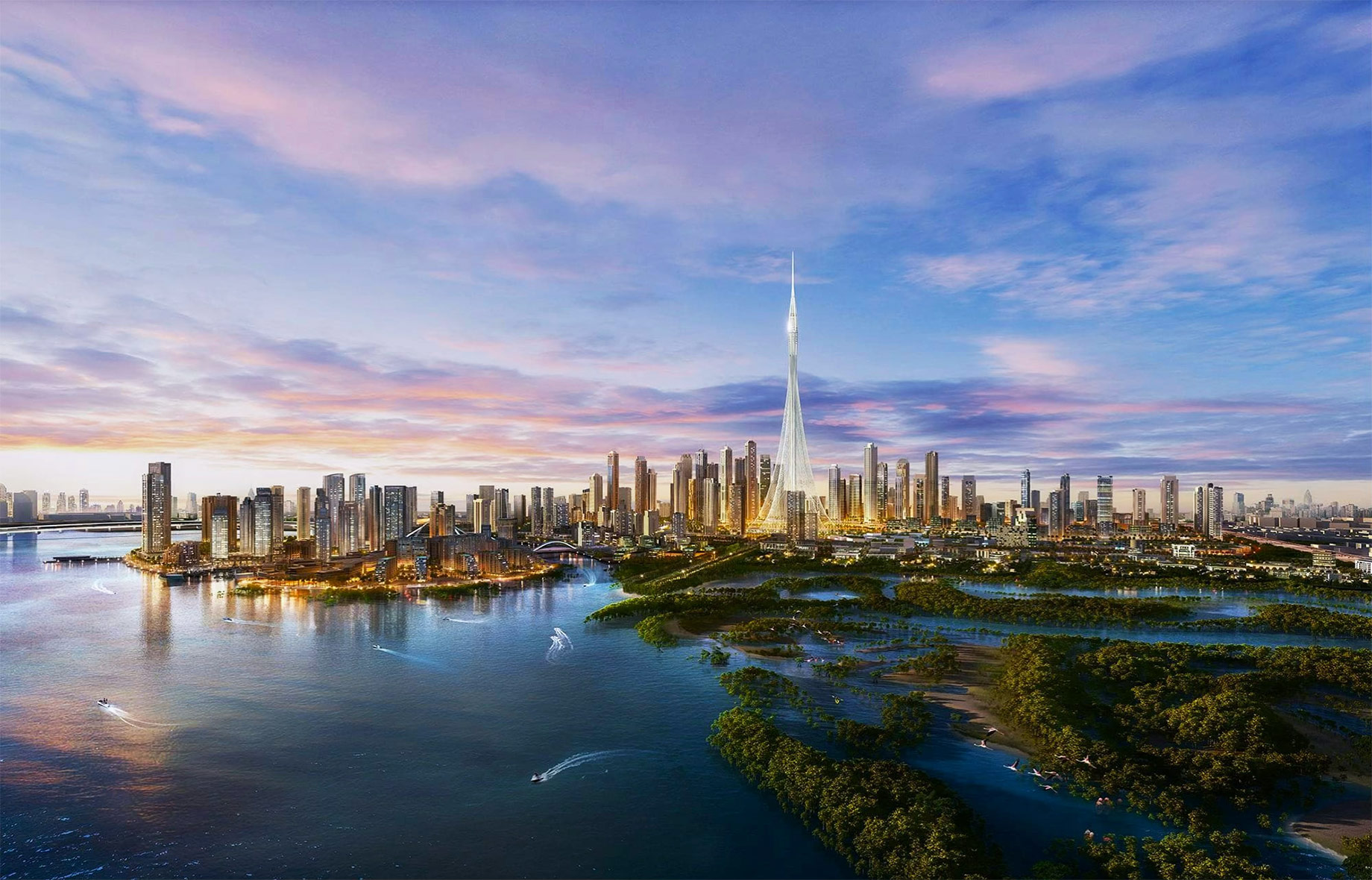
Dubai Creek Harbour demonstrates how waterfront living can also work within a high-density urban environment.
Situated along Dubai Creek, the community combines residential towers, promenades, public spaces, retail, hospitality, and views across the water and city skyline.
Its character differs substantially from Dubai’s beachfront communities.
Rather than focusing primarily on resort-style coastal living, Dubai Creek Harbour blends waterfront access with urban convenience.
Residents can enjoy promenades, parks, dining venues, and water views while remaining connected to central Dubai.
This model can attract professionals, families, international investors, and buyers who prefer apartment living but still want the lifestyle advantages associated with waterfront property.
It also shows how Dubai’s definition of prime waterfront property is becoming increasingly diverse.
Luxury Is Moving Beyond the Property Itself
A luxury home was once judged primarily by its size, location, finishes, and view.
Those factors still matter, but expectations have expanded considerably.
Today’s high-end buyers often evaluate the entire environment surrounding a property.
A residence may include premium interiors and impressive architecture, but buyers increasingly want to know what happens when they step outside the building.
- Is there a walkable promenade?
- Can residents access a private beach?
- Are quality restaurants nearby?
- Does the development include wellness facilities?
- Is there a marina?
- Are hotels, parks, retail destinations, schools, and leisure facilities integrated into the wider master plan?
This shift explains why large master-planned waterfront communities are becoming increasingly important.
The value proposition is no longer simply a property beside the water. It is a complete lifestyle organized around the waterfront.
Hospitality Is Influencing Residential Expectations
Dubai’s luxury hotel sector has also influenced what buyers expect from private residences.
Features once associated primarily with five-star resorts are increasingly appearing within residential developments.
Residents may now expect concierge services, spa facilities, private lounges, infinity pools, fitness centers, landscaped terraces, beach clubs, valet services, and sophisticated dining options.
Branded residences have accelerated this trend further.
International hospitality, fashion, automotive, and design brands are increasingly participating in residential projects, combining recognizable branding with service standards and curated interiors.
For waterfront developments, this hospitality influence is particularly powerful.
A beachfront residence supported by resort-level amenities can provide owners with an experience closer to permanent luxury hospitality than traditional apartment living.
Scarcity Remains an Important Part of Waterfront Appeal
Waterfront property has a fundamental characteristic that differentiates it from many other forms of real estate: genuine frontage is limited.
Developers can construct additional towers and communities inland, but direct beachfront, marina frontage, and uninterrupted water views depend on geography and master planning.
That scarcity contributes to the long-term appeal of established waterfront locations.
However, buyers should still distinguish between different types of waterfront property.
A residence with a distant water view is not the same as direct beachfront access. Marina living offers a different experience from an open-sea location. Creekside communities have different characteristics again.
Understanding these distinctions becomes increasingly important as Dubai’s waterfront market expands.
Master Planning Is Becoming a Major Buying Consideration
For buyers considering off-plan properties in Dubai, evaluating the wider master plan can be just as important as evaluating the individual unit.
A strong master plan should answer several questions.
- How will residents move around the community?
- What percentage of the development is dedicated to public spaces and landscaping?
- Where are hospitality and retail zones located?
- How accessible are beaches and waterfront promenades?
- What infrastructure will connect the development with the rest of Dubai?
- Which developers and hospitality operators are involved?
These details influence how a community may function once fully established.
They can also help buyers differentiate between a standalone project with a waterfront view and a genuinely integrated waterfront destination.
Different Waterfront Communities Serve Different Buyers
One of the strengths of Dubai’s expanding waterfront market is that buyers no longer need to pursue a single type of lifestyle.
- Palm Jumeirah continues to appeal to buyers seeking an established, internationally recognized luxury address.
- Palm Jebel Ali is developing around a more expansive vision of beachfront villa living.
- Dubai Islands introduces a new coastal destination with significant hospitality and residential potential.
- Dubai Creek Harbour offers waterfront apartment living within a more urban master-planned environment.
- Other locations across the city provide marina, canal, lagoon, and creekside options.
This diversity allows buyers to select a community based not only on budget but also on lifestyle priorities.
Some may prioritize direct beach access.
Others may value rental demand, city connectivity, private villas, hospitality services, family amenities, or long-term growth potential.
Dubai’s Waterfront Market Is Becoming More Mature
The evolution of Dubai’s waterfront real estate market reflects the broader development of the city itself.
Early landmark projects were often defined by architectural ambition and global visibility.
The next phase is increasingly focused on creating complete communities.
Architecture remains important, but so do walkability, landscaping, hospitality, wellness, public spaces, connectivity, sustainability, and long-term livability.
For luxury buyers, that creates a more sophisticated market.
The decision is no longer simply whether to purchase waterfront property in Dubai.
The more relevant question is what type of waterfront lifestyle best matches the buyer’s objectives.
As communities such as Dubai Islands, Palm Jebel Ali, and Dubai Creek Harbour continue to develop, they are expanding the city’s coastline into a collection of distinct residential destinations.
Palm Jumeirah established the benchmark.
Dubai’s next generation of waterfront communities is now building on it, offering buyers more choice, more specialized lifestyles, and a broader interpretation of what luxury living beside the water can mean.
