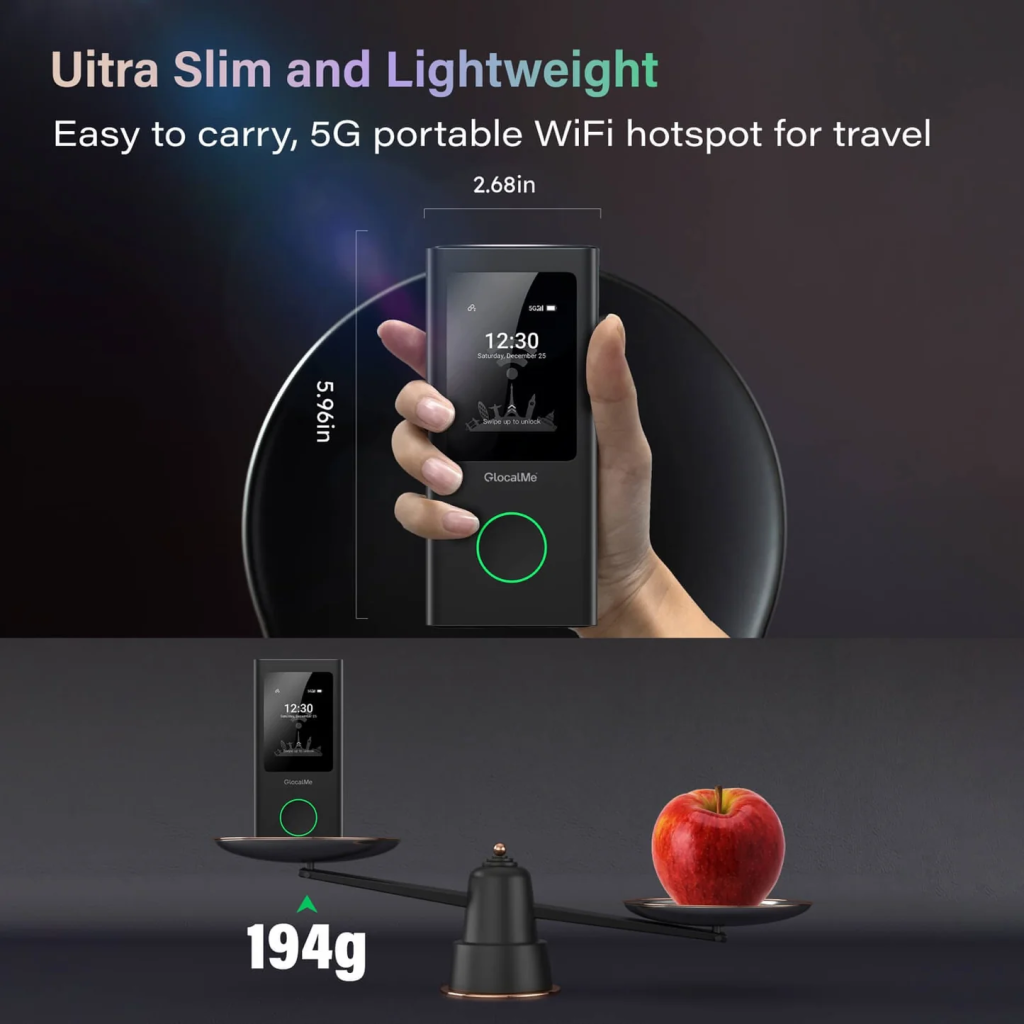
Why Travelers Still Struggle with Internet Abroad
International travel may look simple in today’s digital age, but one problem still frustrates most travelers—unreliable internet access. Many people assume that roaming or public WiFi will be enough, but reality is very different. Roaming charges can quickly become expensive, and public WiFi networks often fail when you need them the most.
Imagine landing in a new country and not being able to book a ride, check maps, or contact your hotel. These situations are more common than expected. This is exactly where a portable WiFi hotspot becomes more than just a device—it becomes a necessity.
Real Travel Scenarios Where Portable WiFi Makes a Difference
Instead of talking in theory, let’s look at how portable WiFi for international travel actually helps in real situations.
A solo traveler arriving late at night in a foreign country needs instant access to maps and ride apps. Without internet, even simple navigation becomes stressful. With a portable hotspot, everything works instantly.
Now consider a business traveler attending meetings across multiple cities. Hotel WiFi is often slow or restricted, making it difficult to join video calls or send large files. A portable WiFi hotspot ensures a stable and private connection, allowing work to continue without interruptions.
For families, the challenge is different. Multiple people need internet at the same time—kids using tablets, parents checking bookings, and everyone staying connected. Instead of buying separate data plans, a single portable WiFi device solves the problem for everyone.
Cost Reality: Is Portable WiFi Worth It?
One of the biggest concerns travelers have is cost. At first glance, buying or renting a portable WiFi hotspot may seem like an extra expense. However, when compared to alternatives, it often turns out to be more economical.
International roaming charges can be unpredictable and extremely high, especially if data usage is not controlled. Local SIM cards may seem cheaper, but buying a new SIM in every country adds up in both cost and time.
Portable WiFi devices allow users to select data plans in advance, giving better control over spending. For group travelers, the cost per person becomes significantly lower since multiple users share a single connection.
Speed, Stability, and Performance in Different Countries
Another important factor is performance. Not all internet solutions deliver the same speed and stability, especially across different regions. Public WiFi networks are often overcrowded, leading to slow speeds and frequent disconnections.
Portable WiFi hotspots are designed to connect to local mobile networks, which usually provide more stable performance. High-quality devices automatically switch to the strongest available network, ensuring consistent connectivity.
This feature becomes extremely valuable when traveling between cities or countries, where network conditions can change rapidly.
Security Risks Travelers Often Ignore
Most travelers underestimate the risks associated with public WiFi. Airports, cafes, and hotels may offer free internet, but these networks are often unsecured. This makes it easier for hackers to access sensitive information such as passwords, emails, and financial data.
Using a portable WiFi hotspot significantly reduces these risks by creating a private network. This is particularly important for business travelers or anyone handling confidential information.
In today’s digital environment, security is not just an option—it is a necessity.
Choosing the Right Portable WiFi Device
Not all portable WiFi devices are the same, and choosing the right one can make a big difference. Travelers should focus on a few key factors instead of just price.
Battery life is critical, especially for long travel days. A device that lasts 8–12 hours ensures uninterrupted usage. Coverage is equally important—devices with global support are ideal for international travel.
Speed capability should also be considered. Devices that support 4G or 5G networks provide faster and smoother connectivity. Additionally, the number of supported connections matters for group usage.
Making a smart decision here can significantly improve the overall travel experience.
When Portable WiFi is NOT the Best Option
To keep things real and honest, portable WiFi is not always the perfect solution. For short trips in a single country, a local SIM card may be more cost-effective.
Similarly, if someone is traveling alone and only needs basic internet usage, eSIM might be a simpler option. Carrying an extra device may not feel convenient for everyone.
Understanding these limitations actually makes the decision smarter rather than blindly choosing one option.
The Growing Demand for Portable WiFi in Global Travel
As remote work, digital payments, and online services continue to grow, the need for reliable internet during travel is increasing rapidly. More travelers are now planning their connectivity in advance rather than relying on uncertain options.
Portable WiFi for international travel is becoming a preferred choice because it offers a balance of reliability, security, and flexibility. It is no longer just a backup option—it is becoming a primary solution for many travelers.
Final Thoughts
A portable WiFi hotspot is not just a convenience—it is a practical tool that solves real travel problems. From avoiding high roaming charges to ensuring secure and stable internet access, it provides a dependable solution for staying connected across borders.
The key is not just buying the device, but understanding when and how to use it effectively. For travelers who value reliability, control, and peace of mind, portable WiFi devices offer a smart and efficient way to stay connected anywhere in the world.
