A well-positioned mirror can make a room feel brighter, more spacious and visually balanced. However, its effectiveness depends on how it interacts with nearby windows, doors and furniture. A mirror that looks attractive on an empty wall may pr
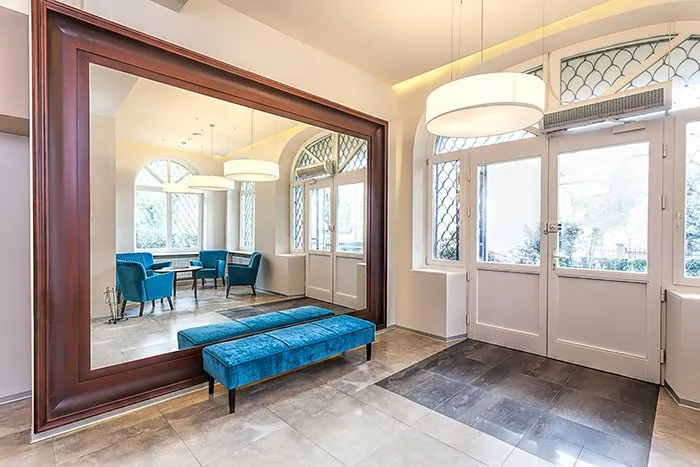
duce unwanted reflections or disrupt the arrangement once the room is furnished. By considering natural light, movement, proportions and viewing angles, you can create a placement that complements the interior rather than competing with its existing features.
Position Mirrors to Make the Most of Windows
Windows influence what a mirror reflects and how light travels through a room. Placing a mirror opposite a window can distribute daylight further into the interior, particularly in rooms with limited natural illumination. However, direct reflections of strong sunlight may create uncomfortable glare at certain times of day.
Positioning a mirror beside a window offers another approach, allowing you to capture light from an angle while maintaining a softer reflection. Before finalising the location, assess how daylight changes throughout the day. For larger or heavier pieces, coordinating with mirror installation professionals can help you achieve the intended positioning while accounting for the wall structure and appropriate mounting requirements.
Plan Mirror Placement Around Door Openings
Doors introduce movement and clearance requirements that affect where a mirror can sit comfortably. A mirror installed too close to a hinged door may be vulnerable to contact from the door, handle or objects being carried through the opening.
Consider the full swing of nearby doors, including wardrobes and cupboards, before choosing a mounting position. Sliding doors require a different assessment because their movement follows the wall rather than extending into the room.
You should also consider what becomes visible in the reflection when a door opens. In hallways and connecting spaces, a carefully positioned mirror can reflect an attractive architectural feature or adjoining room, creating a sense of continuity without drawing attention to less desirable views.
Match Mirror Proportions to Nearby Furniture
Furniture provides a useful reference for determining mirror dimensions and alignment. Above a console, sideboard or fireplace, the mirror should establish a clear visual relationship with the feature beneath it.
A mirror measuring approximately two-thirds to three-quarters of the furniture’s width can provide a balanced starting point, although the ideal proportions depend on the frame, surrounding wall space and overall composition.
For taller furniture arrangements, consider whether a vertical mirror would better complement the available space. You can also use a full-length mirror beside a low cabinet or occasional chair to introduce height variation without overcrowding the wall. Maintaining sufficient negative space around the arrangement helps individual pieces remain visually distinct.
greenery or architectural details.
Set Mirror Heights Around Viewing Angles
The appropriate mounting height depends on whether you want the mirror to serve a practical purpose or contribute primarily to the room’s appearance. A hallway mirror used for checking your appearance requires a different viewing angle from a decorative mirror above a dining room sideboard.
For mirrors positioned above furniture, assess the gap between the furniture and the lower edge of the frame. Excessive separation can make the arrangement appear disconnected, while insufficient space may create a cramped composition.
Before finalising the height, check the reflection from common seated and standing positions. A study examining how people judge visibility in mirrors found that observers tend to overestimate what a mirror will reflect and underestimate the influence of their viewing position. Checking the reflection from different areas of the room can therefore help you avoid unwanted views of ceiling lights, televisions or cluttered spaces while capturing more attractive features such as artwork, greenery or architectural details.
Coordinate Wall Fixings With the Final Layout
Mirror placement must also account for the wall’s construction and the mirror’s weight. Plasterboard, masonry and timber-framed walls require different fixing methods, and heavier mirrors may need appropriately rated anchors or support from structural framing.
Before mounting, confirm that the chosen position will remain practical when furniture, lighting and decorative objects are installed. Wall-mounted lamps, tall furnishings and nearby electrical fittings may restrict the available space or interfere with the intended reflection.
Planning these details together reduces the likelihood of needing to reposition a mirror after installation.
Bring the Room Together Through Considered Placement
Successful mirror placement comes from treating windows, doors and furniture as connected parts of the interior. When you consider daylight, movement, proportions and viewing angles together, you can position mirrors that feel intentional within the room. The result is a more cohesive arrangement where reflections enhance the existing design and support how the space is used.