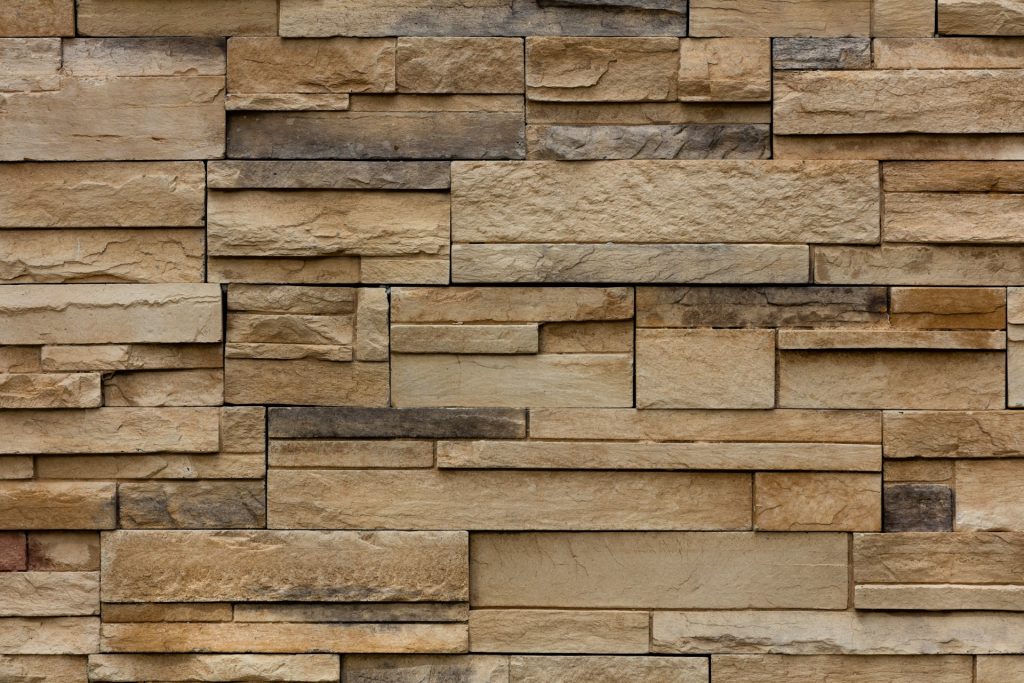
Stone foundations are common in older homes throughout New England, especially in historic communities where houses were built long before poured concrete became the standard. If you own an older home and have noticed damp walls, puddles near the basement edge, musty odors, or water trickling through the stonework after heavy rain, you may be wondering whether this is just part of owning a stone foundation. The honest answer is that some moisture is common, but active leaking should not be ignored. Stone foundations were designed differently from modern foundations. They are made from individual stones held together with mortar, which means they naturally have more joints, gaps, and potential water entry points. Over time, mortar can crumble, soil pressure can increase, drainage systems can fail, and water can begin finding its way inside. While a small amount of dampness may be typical in an older basement, recurring leaks usually point to drainage, grading, mortar, or structural problems that need attention.
Why Stone Foundations Are More Likely to Leak
Stone foundations are durable, but they are also porous and jointed. Unlike a solid poured concrete wall, a stone foundation contains many seams where mortar connects each stone. These seams are vulnerable to wear over time. When the mortar breaks down, water has an easier path into the basement. Many stone foundations were also built without modern waterproofing membranes, footing drains, vapor barriers, or exterior drainage systems. That means the foundation may rely heavily on soil conditions and surface drainage to stay dry. If water collects near the home, it can push against the wall and enter through weak spots.
Common reasons stone foundations leak include:
- Aging or missing mortar between stones
- Poor exterior grading that slopes toward the house
- Clogged, damaged, or missing gutters and downspouts
- Hydrostatic pressure from saturated soil
- Cracks, gaps, or loose stones
- Previous repairs made with the wrong materials
- Basement humidity and condensation mistaken for leaks
- Lack of exterior waterproofing or drainage systems
Is Some Moisture Normal?
Yes, some moisture can be normal in older stone foundations, especially during periods of heavy rain, snowmelt, or high humidity. Many older basements were never intended to be fully dry living spaces. They were often used for storage, mechanical systems, and utility access. However, “normal” does not mean “safe to ignore.” Occasional dampness is different from water intrusion. If water is pooling on the floor, running down the wall, damaging belongings, creating mold growth, or causing mortar to deteriorate, the issue needs professional attention. A basement should not flood every time it rains, and visible water movement through the foundation is a sign that the home’s drainage or masonry system is under stress.
Signs Your Stone Foundation Leak Needs Repair
Homeowners often notice small warning signs before a major water problem develops. Catching these signs early can help prevent more expensive structural damage later. Stone foundations should be inspected if you notice moisture problems that return after storms or continue to get worse over time.
Watch for these red flags:
- Water stains on stone or mortar
- Crumbling, sandy, or powdery mortar
- Loose stones or bulging wall sections
- Musty basement smells
- Mold or mildew growth
- White mineral deposits on the wall
- Standing water near the foundation
- Peeling paint or failing interior coatings
- Basement floor cracks near the wall
- Increased humidity or condensation
White mineral deposits, often called efflorescence, are especially common in masonry basements. They appear when water moves through stone or mortar and leaves minerals behind. While efflorescence itself is not usually dangerous, it is a clue that moisture is traveling through the foundation.
Why Quick Patch Jobs Often Fail
Many homeowners try to stop leaks with waterproof paint, hydraulic cement, spray foam, or interior sealants. These products may slow water temporarily, but they rarely solve the underlying issue. Stone foundations need to breathe, and trapping moisture inside the wall can sometimes make deterioration worse. If the wrong material is applied over old lime mortar, it may create a hard surface that does not move naturally with the foundation. This can lead to cracking, trapped water, and further mortar failure. Effective repair usually requires identifying where the water is coming from, improving drainage, and restoring damaged mortar with appropriate masonry materials. A lasting solution is rarely just a surface coating.
The Role of Drainage in Foundation Leaks
Water management is one of the most important parts of preventing leaks in stone foundations. Even a well-built foundation can leak if water is constantly collecting against it. Gutters should be clean, properly sized, and directing water away from the house. Downspouts should extend several feet from the foundation. Soil should slope away from the home so rainwater does not settle near the basement walls. In some cases, exterior drainage systems, French drains, sump pumps, or interior perimeter drains may be needed. The best solution depends on the site, the foundation condition, and how water is entering the basement.
Simple drainage improvements may include:
- Cleaning gutters regularly
- Extending downspouts away from the foundation
- Regrading soil around the home
- Removing clogged window wells
- Keeping landscaping from trapping water near the wall
- Installing or repairing drainage systems
- Checking sump pump operation before storm season
Best Repair Options for Leaking Stone Foundations
The right repair depends on the severity of the leak and the condition of the foundation. A professional inspection can help determine whether the issue is mostly drainage-related, masonry-related, or structural. In many cases, the repair plan includes more than one solution.
Common repair options include:
- Repointing: Removing deteriorated mortar and replacing it with compatible new mortar.
- Drainage correction: Redirecting roof and surface water away from the foundation.
- Interior drainage: Installing systems that collect and redirect water to a sump pump.
- Exterior excavation and waterproofing: Exposing the foundation from outside to apply drainage and protection systems.
- Stone resetting: Repositioning or stabilizing loose stones.
- Crack and gap repair: Filling openings with suitable masonry materials.
- Humidity control: Using ventilation, dehumidifiers, and vapor control where appropriate.
For historic homes, mortar selection matters. Many older stone foundations were built with lime-based mortar, which is softer and more flexible than modern cement-rich mixes. Using mortar that is too hard can damage the stones and accelerate deterioration. This is one reason it is important to choose a contractor experienced with older masonry and stone foundation repair in Andover, MA.
FAQ About Leaking Stone Foundations
Is it normal for a stone foundation to leak after heavy rain?
It is common for older stone foundations to show dampness after heavy rain, but active leaking is not something to dismiss. If water is entering the basement regularly, the foundation or drainage system needs attention.
Can I use waterproof paint on a stone foundation?
Waterproof paint may provide a temporary cosmetic improvement, but it usually does not solve the cause of the leak. It can also trap moisture inside the masonry if used incorrectly.
What is repointing?
Repointing is the process of removing damaged mortar from between stones and replacing it with new, compatible mortar. It helps restore stability and reduce water entry through deteriorated joints.
How do I know if the leak is from the wall or condensation?
A wall leak often appears after rain or snowmelt and may leave trails, stains, or damp mortar. Condensation is usually related to humidity and may appear on cool surfaces even when it has not rained.
Should I repair the inside or outside of the foundation?
It depends on the problem. Exterior repairs address water before it enters, while interior systems manage water after it gets inside. Many homes benefit from a combination of drainage improvements and masonry repair.
Can a leaking stone foundation cause structural damage?
Yes. Long-term water intrusion can weaken mortar, loosen stones, increase soil pressure, and lead to wall movement. Early repair helps protect the structure.
How much does stone foundation repair cost?
Costs vary based on the size of the foundation, severity of damage, drainage needs, access, and repair method. A small repointing job may be far less expensive than excavation, waterproofing, or structural stabilization.
When to Call a Stone Foundation Repair Expert
You should call a professional if leaks are recurring, mortar is crumbling, stones are shifting, or water is pooling inside the basement. A qualified foundation or masonry contractor can inspect the wall, identify water entry points, evaluate drainage, and recommend repairs that fit the age and construction of the home. This is especially important for historic properties, where modern materials can sometimes do more harm than good. If you need stone foundation repair in Andover, MA, look for a contractor with direct experience working on older New England homes, fieldstone foundations, lime mortar, drainage correction, and basement moisture control.
Final Repair Tips for Homeowners
A leaking stone foundation is not automatically a disaster, but it should be taken seriously. Start with the basics: keep gutters clean, extend downspouts, improve grading, and reduce water near the foundation. Avoid quick fixes that seal over damaged masonry without addressing the source of moisture. Watch for signs of mortar failure, loose stones, and repeated water entry. Most importantly, get a professional evaluation before the problem becomes more expensive. With the right combination of drainage improvements, repointing, and moisture control, many stone foundations can be repaired and preserved for decades. Older homes were built to last, but they need maintenance that respects how they were originally constructed.