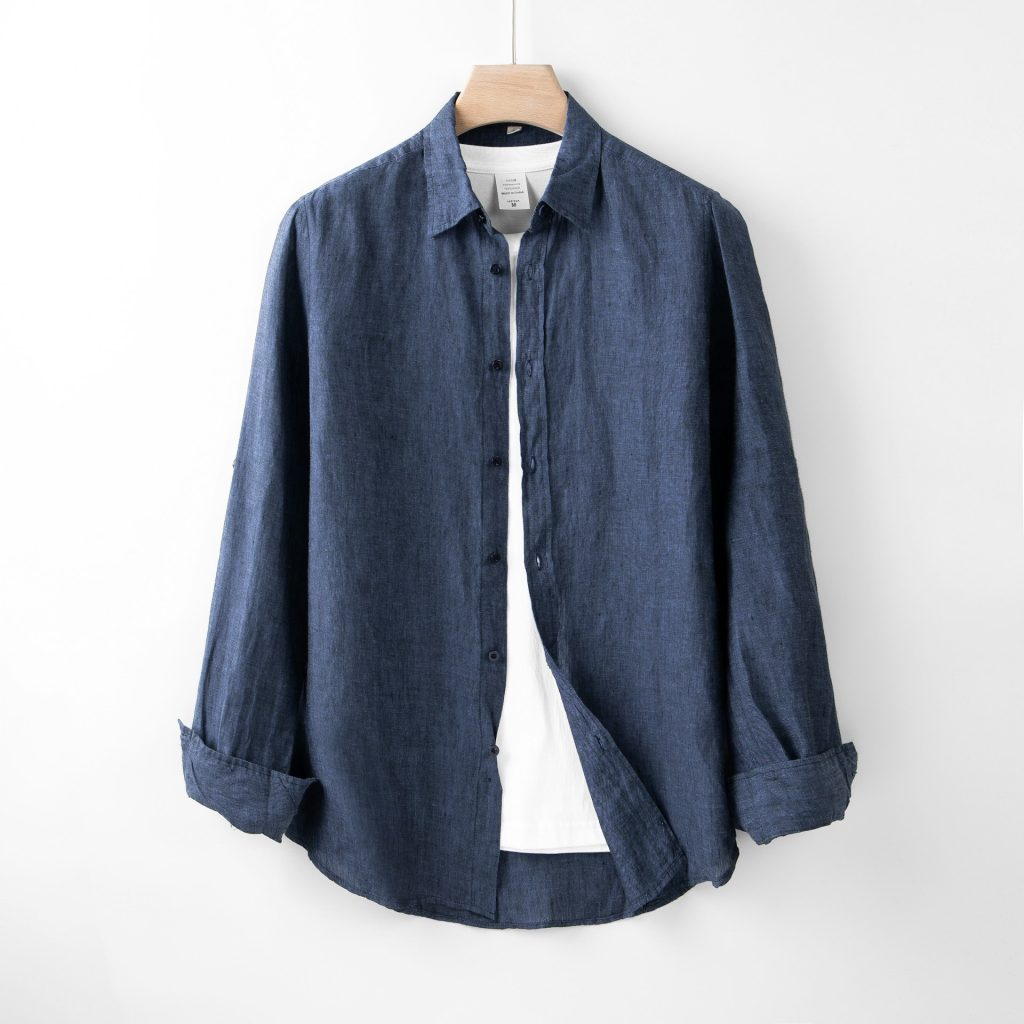
Buying a lightweight jean jacket seems simple until you’re standing in front of dozens of options that all look similar in photos but feel completely different once worn. Fabric weight, cut, wash, and length each change how the jacket fits into daily life, and getting even one of them wrong is the difference between a jacket you wear constantly and one that sits in the closet.
This guide breaks the decision down into the factors that actually matter, so you can shop with confidence whether you’re buying in person or online.
Article At a Glance
| Aspect | Details |
|---|---|
| Main factors to check | Fabric weight, fit, wash color, length, and hardware quality |
| Ideal fabric weight | 4–8 oz denim for true lightweight feel |
| Common mistakes | Sizing too tight, picking the wrong length, ignoring fabric blend |
| Best washes for versatility | Light blue, medium blue, and black |
| Who this guide is for | First-time buyers and anyone unsure which fit or wash to choose |
Step 1: Check the Fabric Weight First
Before looking at color or style, check the fabric weight, listed in ounces per square yard. This single number tells you more about how the jacket will feel and perform than almost anything else on the label. Denim between 4 and 6 ounces is the most breathable option, best suited to hot climates and layering over dresses. The 6 to 8 ounce range is the sweet spot for year-round lightweight wear, while anything above 8 ounces starts to behave more like a standard denim jacket than a true lightweight piece.
Step 2: Match the Fit to Your Body Type
Fit has the biggest visual impact of any factor. The same jacket in the wrong length or cut can look either polished or sloppy, so it’s worth trying on a few silhouettes before settling on one. The table below offers a general starting point for matching jacket style to body type.
| Body Type | Recommended Style | Avoid |
|---|---|---|
| Petite | Cropped length, fitted shoulders | Long, boxy oversized fits |
| Curvy | Fitted waist, structured shoulders | Overly boxy silhouettes with no waist definition |
| Tall / Long torso | Oversized or boyfriend fit | Very short cropped styles |
| Athletic | Tailored cut with slight waist taper | Fits with excess boxy fabric at the sides |
| Plus size | Structured shoulders, mid-hip length | Tight, restrictive armholes |
Step 3: Pick a Wash That Works With Your Wardrobe
A light blue wash is generally the safest all-around choice, since it pairs with almost every color already in most wardrobes. Medium blue is a close second, offering slightly more versatility across both casual and smart-casual looks. Black or dark denim leans more modern and minimal, and dresses up easily, while white denim feels fresh for summer but shows stains more visibly than darker washes. Colored or patterned denim can make a fun statement piece, though it’s naturally harder to mix and match with an existing wardrobe.
Step 4: Decide on Length
Length changes how a jacket pairs with the rest of an outfit. A cropped jacket ends above the hip and works well with high-waisted bottoms, skirts, and dresses, while a standard-length jacket hits at or just below the hip and pairs more easily with mid-rise pants — making it the most versatile option for everyday wear. A longline jacket, which extends further down, works particularly well layered over hoodies and sweaters for a more relaxed, layered look.
Common Mistakes to Avoid When Buying
Sizing too tight is one of the most frequent mistakes, since a lightweight jacket should generally allow enough room to layer underneath. Buying based on photos alone, without checking the fabric blend, is another common misstep — two jackets can look identical online but feel completely different once the material is in hand. First-time buyers sometimes choose a trendy wash over a versatile one, which can limit how often the jacket actually gets worn.
It’s also worth checking the return policy before ordering online, since fit and fabric feel can vary noticeably between brands, and reviewing the care instructions ahead of time can prevent an unpleasant surprise if the wash turns out to be more delicate than expected.
Sizing Tips for Online Shopping
Since lightweight denim can vary in stretch depending on the fabric blend, checking the brand’s specific size chart is more reliable than assuming your usual size will fit the same way across brands. Measuring shoulder width, bust, and sleeve length before ordering helps avoid guesswork, and reading reviews that mention true-to-size fit or sizing up and down can catch inconsistencies that a size chart alone won’t show. As a general rule, sizing up works better for a layering jacket, while sizing down suits a more fitted look.
In-Store vs Online Shopping: What to Prioritize
Buying in person makes it easy to feel the fabric weight and check the fit immediately, but online shopping usually offers a wider range of washes and price points. Each approach benefits from a slightly different checklist to avoid an expensive mistake.
Shopping In-Store
Try moving your arms overhead to check shoulder room, sit down briefly to see how the fabric handles movement, and check the fabric label directly for the denim weight and blend rather than relying on how it looks on the hanger.
Shopping Online
Cross-check the brand’s size chart against your own measurements, read at least two or three reviews that mention fit and fabric feel, and confirm the return window before purchasing — especially for fitted styles, where sizing errors are more common.
When to Choose Stretch Denim vs 100% Cotton
Fabric blend affects comfort and how the jacket ages over time. Neither option is strictly better — the right choice depends on how you plan to wear the jacket. Stretch denim, with around 2 to 3 percent elastane, is more comfortable for fitted styles and daily wear, though it may loosen slightly with repeated washing. 100% cotton denim holds its shape longer and develops a more authentic worn-in look over time, but tends to feel stiffer when it’s new.
For oversized or boyfriend fits, 100% cotton is often the better choice since stretch isn’t really necessary in a looser silhouette. For fitted, tailored styles, a small percentage of stretch tends to improve comfort without sacrificing the jacket’s overall shape.
Frequently Asked Questions (FAQs)
Q: What is the ideal denim weight for a true lightweight jean jacket?
A: Look for denim between 4 and 8 ounces per square yard. This range feels noticeably lighter and more breathable than the 12–14 oz denim used in classic jean jackets.
Q: Should a lightweight jean jacket fit tight or loose?
A: A slightly relaxed fit is usually more versatile since it allows layering underneath. A very tight fit limits what you can wear it over and can look restrictive rather than intentional.
Q: Which wash color should a first-time buyer choose?
A: A medium or light blue wash is the safest first purchase because it pairs with nearly every color palette and works across casual and smart-casual outfits.
Q: How do I know if a jacket will run small or large?
A: Check the brand’s specific size chart and read customer reviews that mention fit, since fabric blends with elastane can run smaller than expected while 100% cotton denim tends to run true to size.
Q: Is it worth paying more for a premium lightweight jean jacket?
A: If you plan to wear it regularly across multiple seasons, spending more on better fabric and stitching usually pays off through longer-lasting shape and color retention.
Final Thoughts
Choosing the right lightweight jean jacket comes down to four decisions: fabric weight, fit, wash, and length. Getting these right the first time means avoiding a jacket that ends up unworn, and instead landing on a piece that becomes a genuine wardrobe staple across seasons.