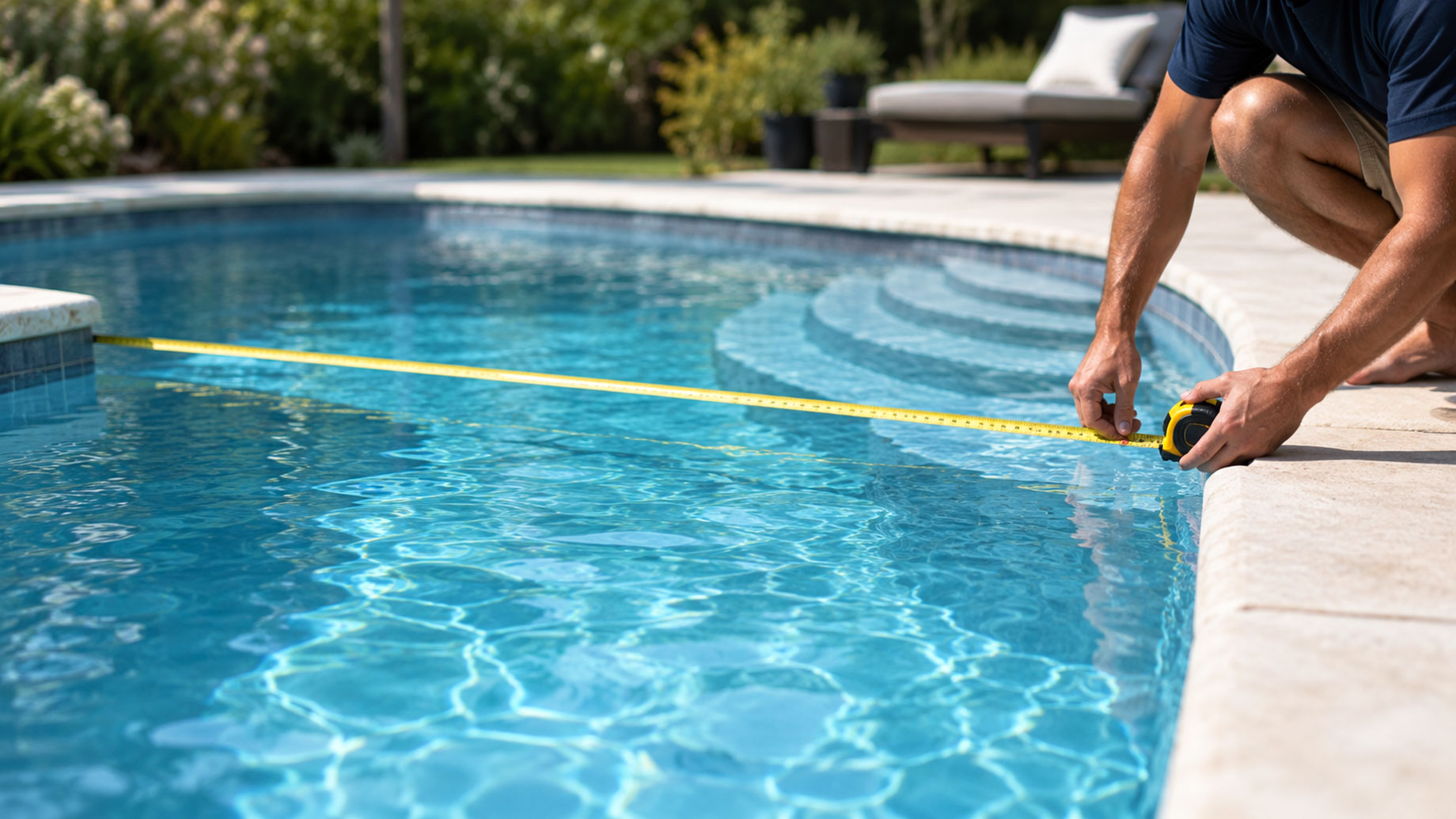
Selecting the right pool cover begins with accurate measurements. A cover that matches the pool shape and dimensions can provide the intended fit and appearance, making careful preparation an important part of the buying process. Since pools come in different sizes and layouts, collecting the correct details before ordering helps compare available options with greater confidence. A few simple measurements and observations can provide a clearer picture of what will suit the pool best. This article explains the key dimensions to record and the important features to consider before choosing a cover.
Record the Pool Shape and Main Dimensions
The first step is identifying the pool shape because every design requires different measurements. A rectangular pool follows a different layout from an oval, round, or freeform design, so recording the complete outline helps when comparing pool covers with the pool dimensions. Measure the longest point from one end of the pool to the other, then record the widest section across the pool.
These measurements should reflect the full pool structure rather than an estimated size. For freeform designs, note the widest and longest points along with the overall outline so the shape is represented accurately. Accurate records create a stronger starting point when reviewing available cover sizes and styles.
Include Permanent Pool Features
The overall shape is only one part of the measurement process. Permanent features that form part of the pool should also be considered because they contribute to the final layout. Built-in steps, ledges, rounded corners, and attached sections all influence the dimensions that need to be recorded.
Details Worth Recording
- Overall pool length
- Widest point across the pool
- Pool shape
- Built-in steps or entry ledges
- Rounded, curved, or angled corners
Keeping these details together provides a complete reference when comparing different cover options.
Measure the Full Pool Perimeter
The perimeter gives a clearer picture of the pool outline, particularly for designs that move beyond a simple rectangle. Recording the complete edge helps capture curves, wider sections, and gradual shape changes that basic measurements may not fully describe. Pools with unique layouts benefit from a complete perimeter record because it reflects the actual shape rather than relying on only two dimensions. A thorough measurement of the outline creates a more accurate description of the swimming area before an order is placed.
Review Measurements Before Selecting a Cover
Checking recorded dimensions before making a purchase helps confirm that every important detail has been included. A second review can identify missing notes or inconsistent figures, allowing the information to remain clear and organised. It is also useful to compare the recorded measurements with the product dimensions provided for each cover. Reviewing the information carefully supports a more informed buying decision and helps identify options that match the pool layout.
Compare the Pool Measurements With Available Sizes
Once all dimensions have been confirmed, compare them with the available size information for the preferred product. Looking at the listed dimensions allows pool owners to identify pool covers that correspond with the recorded measurements and overall pool shape. A careful comparison also helps distinguish between options designed for different pool layouts. Taking time to review the available size information before ordering supports a smoother selection process. This ensures the chosen cover is appropriate for the swimming pool.
Accurate measurements provide a reliable foundation for selecting a suitable pool cover. Recording the pool shape, main dimensions, perimeter, and permanent features creates a complete picture of the swimming area before comparing available products. Careful preparation helps pool owners make informed decisions and select a cover that suits the size and layout of their pool.
