Ever walked into someone’s house and thought, “This place hasn’t changed since 1998”—and not in a cool, retro way? Homes age fast when ignored, and the small stuff piles up until it turns into a renovation show disaster. The good news is that most homes don’t need a total overhaul. In this blog, we will share the essential upgrades every home should have to stay functional, efficient, and livable.
Floors, Walls, and the First Things People See
When it comes to surface-level improvements, not all changes are created equal. Fresh paint makes a huge difference—but skip the trendy bold colors unless you’re committed. Neutrals hold their value and leave room for personal touches. A crisp paint job on trim and ceilings can also lift the whole space without major renovations.
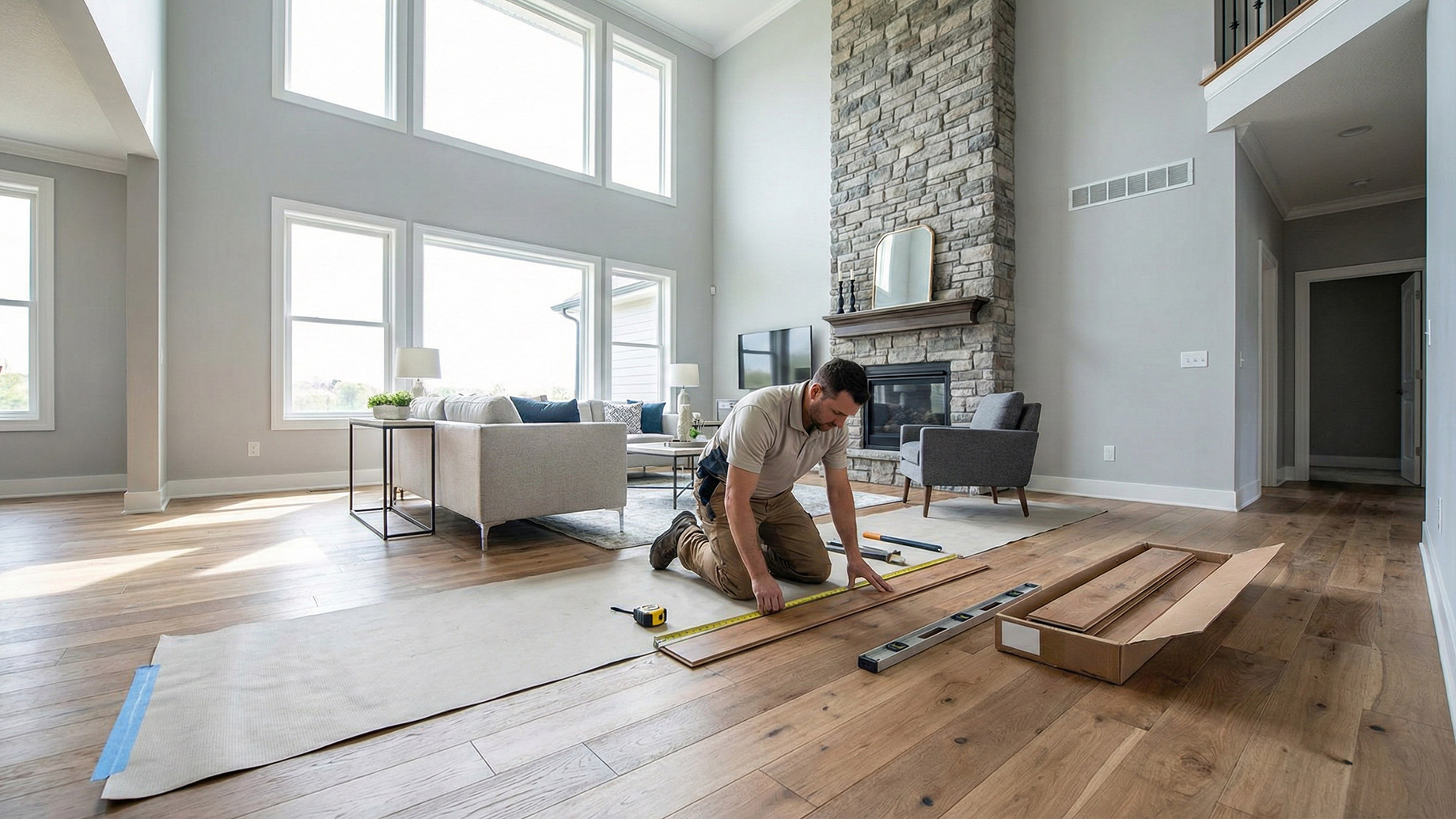
Flooring matters more than people think. Old carpet traps smells and allergens, while scratched-up wood gives a worn-down impression even if everything else is solid. Replacing tired flooring with updated options like LVP (luxury vinyl plank) or engineered wood makes the space feel new, even if the layout stays the same.
Drywall repairs are often overlooked, but they shape the overall feel of a space. Dings, nail holes, and uneven seams age a room quickly. Patching these and adding a smooth coat of paint changes the entire tone of a house. None of these updates are expensive on their own, but they compound. Together, they tell anyone walking in: this place is cared for.
Where Maintenance Meets Long-Term Thinking
For all the focus on open-concept kitchens and farmhouse sinks, basic home improvements don’t get the attention they deserve. You don’t need a spa bathroom or six-burner stove to keep a house running right. You need systems that work when it rains, when it snows, and when the power flickers.
The biggest improvements often start with the ones nobody notices until something breaks. Heating, cooling, and wiring are easy to take for granted until they fail. That’s where professionals like A-1 Heating and Air Conditioning & Electric come in. Their work doesn’t make the front page of a real estate listing, but it’s the difference between a home that runs smoothly and one that racks up repair bills. Whether it’s upgrading an old panel that trips every time the microwave and toaster run at the same time, or replacing a furnace that’s wheezing into its final winter, this kind of work matters. It makes the home safer, more efficient, and a lot less stressful during extreme weather.
Recent years have pushed that point even further. With summer heatwaves growing more intense and winter storms knocking out grids across the country, dependable HVAC and electrical systems have gone from nice-to-haves to survival gear. Upgrades in these areas aren’t luxuries. They’re resilience.
Plumbing, Insulation, and the Forgotten Foundations
Water damage is rarely sudden. More often, it creeps in from the edges—a slow leak under the sink, aging pipes behind the walls, or clogged gutters that spill over during heavy rain. Replacing aging plumbing isn’t dramatic, but it saves a fortune in future repairs. Swapping out steel pipes for PEX, fixing slow drains before they back up, or simply installing shutoff valves where none existed are the kinds of changes that quietly save homes from rot.
Insulation follows the same logic. It doesn’t show up in listing photos, but it’s the line between comfort and misery when energy costs spike. Many older homes still carry insulation values from decades past, built for a world with cheap oil and predictable seasons. Updating the attic and crawl spaces, sealing drafty windows, or even upgrading to double-pane glass shifts the home’s energy profile completely.
The rise in energy-efficient housing isn’t a passing trend—it’s being baked into building codes. Homeowners who act early avoid scrambling to meet standards later. And as cities lean into decarbonization efforts, incentives for these updates are already growing. Think tax breaks, energy credits, and lower monthly bills.
Lighting, Outlets, and the Little Fixes That Add Up
There’s something quietly maddening about walking into a room and having no outlet where you need it. Or flipping a switch that controls nothing. These small annoyances build up until the house starts to feel like it’s working against you. Fixing basic lighting layouts, adding properly placed outlets, and removing outdated fixtures isn’t just cosmetic—it changes how the space functions.
Modern life demands more power than homes were designed for even 20 years ago. From charging stations to smart home hubs, homes need updated wiring and better planning to avoid overloading circuits. It’s not just about convenience. It’s about safety. Older homes often run on wiring that was never meant to support today’s tech-heavy setups. Updating this infrastructure isn’t about keeping up with the times—it’s about keeping up with the demands of daily life.
LED lighting upgrades also belong on this list. Swapping out old incandescent or fluorescent fixtures for energy-efficient LEDs cuts costs immediately. Add dimmers, motion sensors, or timers, and you gain control over both mood and energy use.
Doors, Locks, and the First Layer of Security
Curb appeal doesn’t start with landscaping. It starts with the front door. A clean, secure, well-fitted door adds both visual appeal and protection. Old doors that stick, creak, or rattle send the wrong message—one of neglect or poor maintenance. Swapping in a solid, energy-efficient exterior door gives the home an instant lift.
The same goes for locks and hardware. Keyless entry systems, deadbolts, and doorbell cameras aren’t just modern touches—they provide peace of mind. As neighborhood watch groups go digital and communities rely more on tech for security, having up-to-date systems makes the home more aligned with today’s safety expectations.
Garage doors and side entries deserve the same attention. Many are original to the house, and it shows. Upgrading to insulated models or adding smart access controls creates a smoother daily experience and better protection.
Making It All Work Together
The goal of these improvements isn’t to impress strangers. It’s to make the home function better, feel safer, and require less constant upkeep. When basic systems are updated, the rest of the home has room to evolve. You’re not constantly patching or dodging problems. You’re building something that lasts.
Homeowners are facing more uncertainty than ever—rising insurance costs, unpredictable weather, tighter housing markets. In that kind of environment, the smartest investment isn’t in flashy upgrades. It’s in work that holds value through wear and time.
Every improvement listed here builds on the idea of a home that works. Not just for showings. Not just for resale. For living. For mornings that don’t start with a tripped breaker or a cold shower. For nights that stay warm when the power flickers. And for everything in between.
