A heating system can sound perfectly normal while struggling to keep a house comfortable. The thermostat is set to the right temperature, warm air seems to be coming through the vents, and the equipment continues running. Yet the living room feels chilly, the bedrooms never get warm enough, or certain areas of the house remain noticeably colder than others.
This problem often develops gradually. A clogged filter, restricted airflow, aging heating components, or poorly sealed ductwork can reduce the amount of warmth reaching your rooms. Although some issues are easy to identify, others require professional heating repair to determine why the equipment is operating without delivering enough heat. Companies such as Summit Heat & Air work with heating and cooling systems where proper diagnosis involves looking beyond whether the equipment simply turns on.
Understanding the possible causes can help homeowners recognize early warning signs and avoid unnecessary adjustments that make the problem worse. Before assuming the furnace needs replacing, it is worth examining how heat is produced, distributed, and controlled throughout the house.
Your Thermostat May Not Be Reading the Temperature Correctly
The thermostat controls when a heating system starts and stops, but its readings do not always reflect the temperature throughout the home.
For example, a thermostat installed near a sunny window might register a comfortable temperature while rooms farther away remain cold. A similar problem can occur when the thermostat is close to a kitchen, fireplace, or other source of heat.
Check the Settings Before Assuming Something Is Broken
Start by confirming that the thermostat is set to heating mode and that the selected temperature is higher than the current room reading. If the fan is set to ON rather than AUTO, the blower may continue circulating air even when the furnace is not actively producing heat.
Some thermostats also use programmed schedules that lower the temperature during certain hours. An unfamiliar schedule or incorrect time setting can make the system behave unexpectedly.
If the displayed temperature seems inaccurate, compare it with a reliable indoor thermometer placed nearby. A noticeable difference may indicate a calibration, placement, or sensor problem that deserves further investigation.
Dirty Air Filters Can Reduce Heating Performance
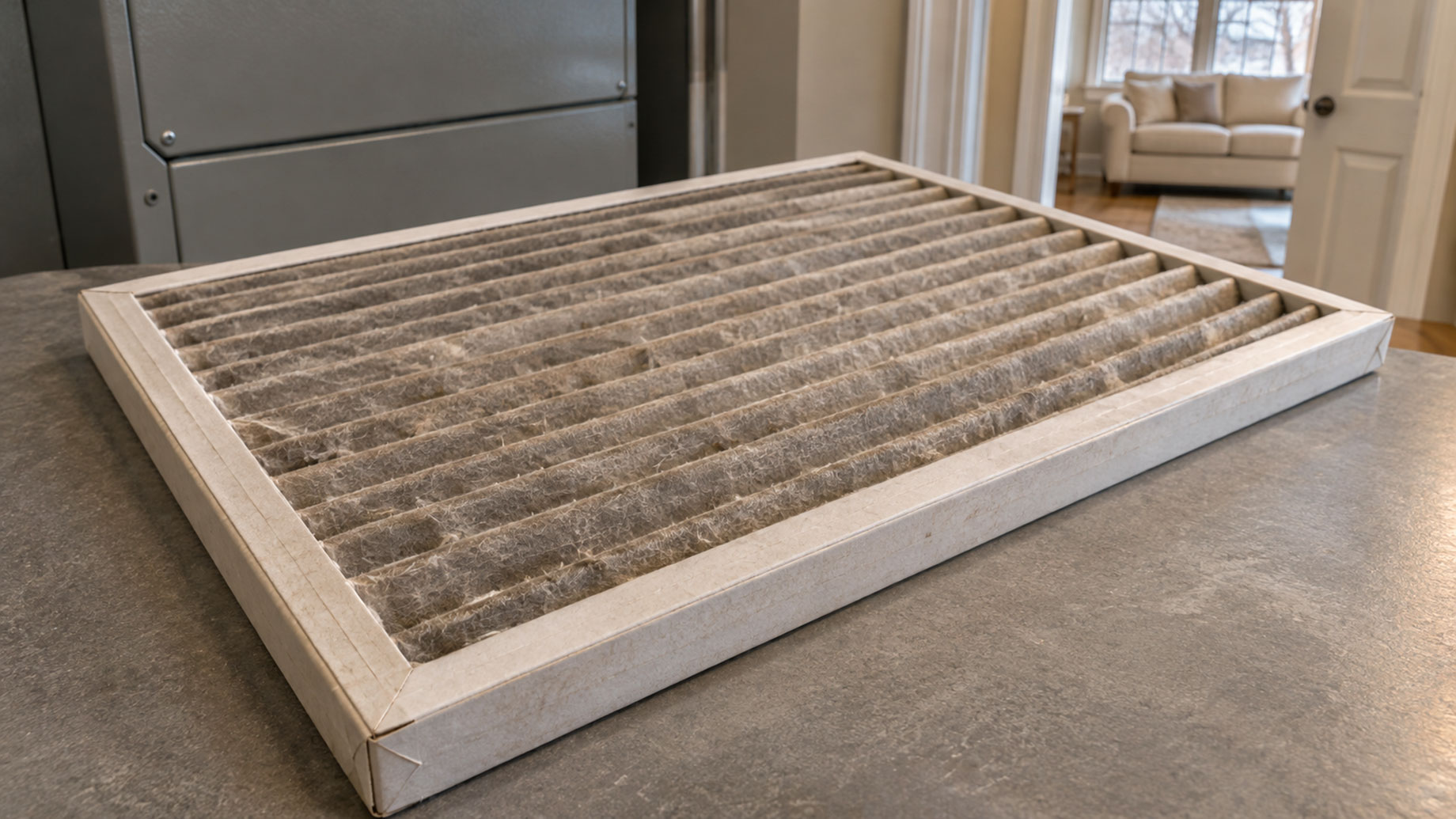
A heating system needs sufficient airflow to transfer warmth from the equipment into the living space. When the air filter becomes packed with dust and debris, less air can pass through.
This restriction may leave certain rooms uncomfortable even though the furnace continues operating. In some systems, severely restricted airflow can also contribute to overheating and cause safety controls to shut the burners off temporarily.
Why Filter Problems Are Easy to Overlook
Filters collect dust gradually, so the change in performance may not be obvious at first. Homeowners might notice longer heating cycles, weaker airflow, or a room that takes more time to warm up.
Check the filter according to the manufacturer’s instructions and replace it when necessary. The correct replacement should match the equipment’s dimensions and airflow requirements. A filter with an excessively restrictive rating is not necessarily better for every system.
If heating performance remains poor after installing a clean filter, the problem may involve other parts of the airflow system.
Blocked Vents and Ductwork Problems Can Leave Rooms Cold
The furnace might produce enough heat, but that warmth still needs a clear path to reach each room.
Furniture placed directly in front of supply registers, rugs covering floor vents, and closed or obstructed return grilles can interfere with air circulation. In homes with longer duct runs, airflow problems may be especially noticeable in rooms farther from the heating equipment.
Ductwork itself can also develop leaks, disconnected joints, or crushed sections. Heated air escaping into an attic, crawl space, or unfinished area never reaches the intended living space.
What Uneven Room Temperatures Can Tell You
If one bedroom stays cold while the rest of the house feels comfortable, compare the airflow from its register with that from nearby rooms. A significant difference may point toward a duct restriction, leakage, or system-balancing issue.
A professional inspection can help distinguish between equipment problems and distribution issues. For instance, technicians from Summit Heat & Air may need to evaluate heating performance alongside airflow and duct conditions rather than focusing on the furnace alone.
Avoid closing several registers in an attempt to force more heat toward one room. Depending on the system, this can increase duct pressure and reduce overall performance.
Furnace Components May Be Producing Less Heat Than Expected
A furnace can start and run without completing a normal heating cycle.
Gas furnaces depend on components such as burners, ignition systems, flame sensors, and safety controls. Electric heating systems use different components, but they can also experience faults that reduce heating output.
A failing component may prevent the equipment from generating sufficient warmth or cause it to shut off before the thermostat setting is reached.
Watch for Repeated Starting and Stopping
If the furnace turns on, runs briefly, and shuts off repeatedly while the house remains cold, the behavior may indicate a problem known as short cycling.
Possible causes include restricted airflow, overheating, thermostat faults, or equipment-related control problems. Because several conditions produce similar symptoms, identifying the actual cause requires more than replacing a part based on guesswork.
This is where professional heating repair services in Tulsa become especially valuable. A technician can check system operation and safety controls to identify what is interrupting the normal heating process.
Homeowners should not attempt to bypass safety switches or work on gas connections and internal electrical components.
Heat Loss Could Be Making the System Work Harder
Sometimes the heating equipment is functioning correctly, but the house loses warmth faster than the system can comfortably replace it.
Poor attic insulation, drafty windows, gaps around exterior doors, and unsealed openings can allow heated indoor air to escape. Rooms above garages or next to poorly insulated exterior walls are particularly vulnerable to uncomfortable temperature differences.
A useful first step is to notice where the cold is most apparent. If a room feels chilly near an exterior wall but receives strong, warm airflow, the building envelope may contribute more to the problem than the furnace.
Sealing accessible gaps and improving insulation can reduce heat loss. However, changes should be planned carefully to preserve necessary ventilation and avoid moisture problems.
When Should You Call a Heating Technician?
A few basic observations can help explain the symptoms, but persistent heating problems should not be ignored.
Professional attention is appropriate when the system repeatedly shuts down, produces unusually weak airflow, struggles to reach the thermostat setting, or develops unfamiliar mechanical noises.
Unusual odors also deserve attention. A brief dusty smell at the beginning of the heating season may occur as accumulated dust burns off, but a persistent burning smell is different. If you smell gas, leave the building immediately and contact your gas utility or emergency services from a safe location. Never continue operating equipment suspected of having a gas leak.
An evaluation from a heating specialist, such as Summit Heat & Air, can help establish whether the problem involves faulty components, system controls, or the way conditioned air moves through the house.
The objective should be identifying the underlying cause rather than repeatedly treating the same symptom.
How to Prevent the Same Heating Problems From Returning
Keeping a heating system reliable requires more than adjusting the thermostat whenever the house feels cold.
Replace or clean filters according to the equipment manufacturer’s recommendations, keep accessible supply and return vents unobstructed, and pay attention to changes in system behavior.
Consider arranging a professional inspection before the period when the equipment will experience its heaviest use. Routine checks may uncover developing electrical, mechanical, or airflow problems before they result in an unexpected breakdown.
It also helps to document recurring symptoms. If a particular room becomes cold at the same time every day, or the furnace begins shutting off after several minutes, those observations can help a technician narrow down potential causes.
For recurring comfort complaints, appropriate heating repair should address the issue that caused the temperature problem, not simply restore temporary operation.
Restoring Comfortable and Consistent Indoor Temperatures
A heating system that runs constantly without warming the house is giving you information worth investigating. Sometimes the answer is as straightforward as replacing a clogged filter or correcting a thermostat setting. Other situations involve damaged ductwork, failing components, or excessive heat loss.
Knowing what to observe makes it easier to describe the problem accurately and determine when expert attention is necessary. Reliable heating repair begins with identifying where the heating process is breaking down, whether that involves producing heat or distributing it.
For homeowners dealing with persistent cold rooms, Summit Heat & Air is one example of an HVAC service provider to consider when professional assessment is needed. Addressing the actual cause can improve comfort, support reliable operation, and help prevent the same issue from returning.
