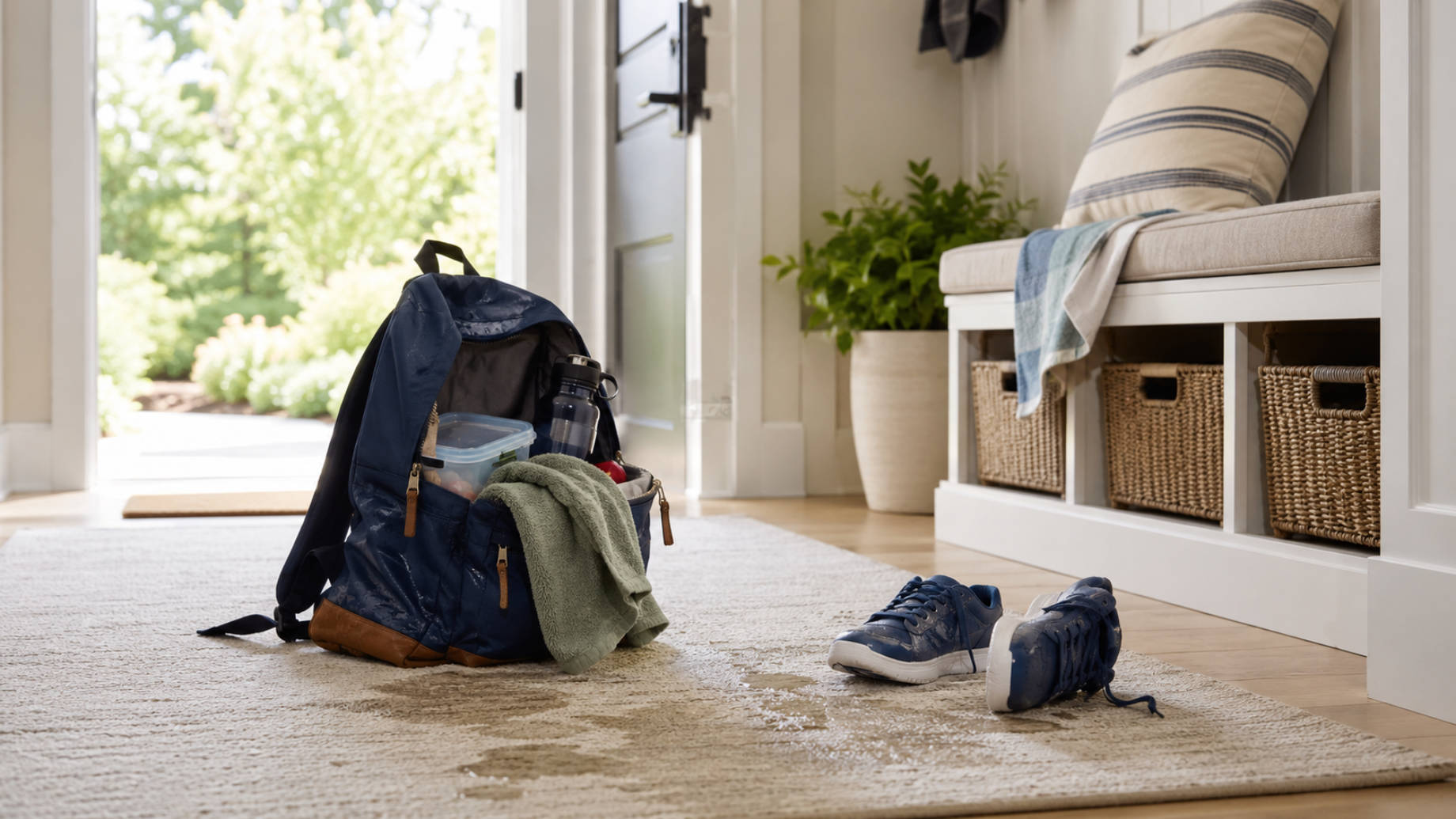
Every summer, kids come home from camp carrying more than friendship bracelets and craft projects. Stuffed into those backpacks are damp towels, sandy shoes, sweaty uniforms, and half-eaten snacks — a collection of items that can do a surprising amount of damage to your home’s indoor environment. Most families don’t connect the dots between a busy camp season and a stuffy, odor-filled house. But the link is real, and understanding it can help you stay ahead of the problem all summer long.
Here’s what you’ll learn in this article:
- What actually travels home inside summer camp gear
- How moisture and odors settle into your floors and fabrics
- Why carpets are especially vulnerable during summer
- Practical habits to keep your home fresh all season
What Comes Home Inside Summer Camp Backpacks?
At first glance, a backpack looks like just a bag. But after a week at camp, it’s closer to a traveling ecosystem. Dirt, grass clippings, and sand cling to the interior lining. Food crumbs attract bacteria and, in warm conditions, can encourage mold growth quickly. Sweaty clothes compress together and create the perfect environment for odor-causing bacteria to multiply.
Kids rarely air out their bags between sessions. That means moisture from swim towels or damp socks stays trapped inside for days. By the time the bag lands on your living room floor or gets tossed into a bedroom corner, the contamination has already begun spreading to surrounding surfaces.
How Damp Clothing and Swim Gear Affect Indoor Air Quality
Wet items are one of the biggest contributors to poor indoor air quality during summer. A soaked swim bag left near the entryway or tossed into a closet doesn’t just smell unpleasant — it releases moisture vapor into the surrounding air. That added humidity raises the overall moisture level in the room, which affects how clean the air actually feels and functions.
Chlorine from pool gear adds another layer. While chlorine itself isn’t a major allergen, it can combine with organic matter on towels and clothing to produce irritating compounds. For family members with asthma or sensitivities, damp swim gear sitting indoors even briefly can trigger symptoms. Proper ventilation and quick drying routines make a significant difference here.
Why Carpets Often Absorb Summer Odors
Carpeting is porous by design. That texture that feels soft underfoot is the same reason carpets are so effective at trapping particles — dirt, bacteria, pet dander, and moisture all get pulled in and held. During summer, when kids are constantly tracking in debris from camp and athletic activities, carpets take the brunt of the buildup.
Odors get locked into carpet fibers within hours. A wet backpack dropped onto a carpeted floor, a damp towel left bundled on a rug, or muddy cleats walked through the hallway — each incident deposits material that regular vacuuming can’t fully remove. Over weeks and months, this leads to a persistent background smell that many families chalk up to “just how summer smells.” It isn’t. It’s accumulated residue, and it affects air quality in every room with carpet.
This is one reason many homeowners reach out to local carpet cleaning companies near Bothell once the camp season winds down. A professional deep clean extracts what surface cleaning leaves behind, including the embedded moisture and bacteria that cause long-term odor.
The Hidden Impact of Sports Equipment and Camp Gear
Athletic gear deserves its own mention. Helmets, shin guards, cleats, and sports uniforms carry a significant bacterial load after even a single-use session. Left in a gym bag or equipment bin near the garage door or mudroom, this gear releases odors that travel indoors through air circulation.
Foam padding inside helmets and knee pads is especially problematic — it absorbs sweat and holds it for extended periods. Without regular cleaning and airing out, the smell intensifies and bacteria levels rise. If gear is stored inside the home rather than a ventilated garage, the impact on indoor air quality compounds over time.
Rotating gear out, wiping down hard surfaces with an antibacterial solution, and allowing foam components to dry fully before storage are small steps that make a measurable difference by the end of the summer.
How Moisture Can Encourage Mold and Allergens
Moisture and mold have a direct relationship. When indoor humidity stays elevated — whether from swim bags, wet towels piled in a bathroom, or gear left near air vents — mold spores find the conditions they need to colonize surfaces. Mold doesn’t need much: a surface, some organic material, and moisture are enough.
Spores that become airborne are inhaled without any visible sign that mold is present. Symptoms in sensitive individuals can include congestion, sneezing, and worsened asthma. HVAC systems can pull spores from one room and distribute them throughout the house, spreading the problem far beyond the original source.
Families who use local carpet cleaning companies near Bothell for mid-season or post-summer cleaning often find that carpet mold or mildew was present in areas they hadn’t noticed — especially near entryways and mudrooms where wet gear frequently lands.
Simple Habits Families Can Use to Maintain Indoor Freshness
Prevention doesn’t require a full overhaul of summer routines. A few consistent habits create a noticeable improvement in how your home smells and how clean the air stays.
- Unpack camp bags outside or in the garage. This limits how much debris and moisture gets carried inside.
- Hang swim towels and gear immediately. Don’t let wet items sit bundled — air circulation is the fastest way to stop odor development.
- Use a boot tray or hard-surface entryway mat. This keeps shoes, cleats, and muddy gear off carpeted areas.
- Run a dehumidifier in high-traffic areas. Especially useful in basements or mudrooms where gear tends to pile up.
- Wash sports uniforms and camp clothing promptly. Bacteria multiply quickly in warm weather. A two-day delay becomes a much bigger laundry challenge.
- Air out the home daily. Even 15 minutes of open windows in the morning improves air circulation and reduces indoor moisture.
These habits protect your home’s air quality at the source, before problems have time to settle in.
Why Seasonal Deep Cleaning Matters After an Active Summer
By late August, most homes have absorbed months of summer activity. Carpets have absorbed moisture, dust, and allergens. Soft furnishings have collected bacteria from athletic gear and clothing. High-traffic areas near entryways often carry embedded dirt that vacuuming alone can’t address.
A seasonal deep clean — done either by homeowners or with professional help — resets the indoor environment before fall. This is the right time to shampoo rugs, clean air vents, wash all bedding and throw blankets, and wipe down baseboards and walls near entryways. Upholstered furniture should also be vacuumed thoroughly with an attachment designed for fabric surfaces.
Many families in the Pacific Northwest plan end-of-summer cleaning with local carpet cleaning companies near Bothell to handle the floors, then take care of the rest themselves. Splitting the work this way makes the task manageable while still achieving a thorough result.
Keeping Your Home Fresh Takes Awareness, Not Perfection
Understanding why summer camp backpacks can quietly affect indoor air quality is the first step toward doing something about it. Moisture, bacteria, dirt, and allergens travel inside through everyday gear — not through any single dramatic event. They accumulate gradually, which is exactly why they’re easy to overlook until the problem becomes obvious.
The good news is that consistent habits make a real difference. Unpacking outside, drying gear promptly, and keeping wet items off carpet go a long way. Pair those daily routines with a thorough end-of-season clean, and your home will feel noticeably fresher heading into fall. Connecting with local carpet cleaning companies near Bothell for a post-summer deep clean is a practical option families often find well worth it once they understand how much the floors have absorbed.
