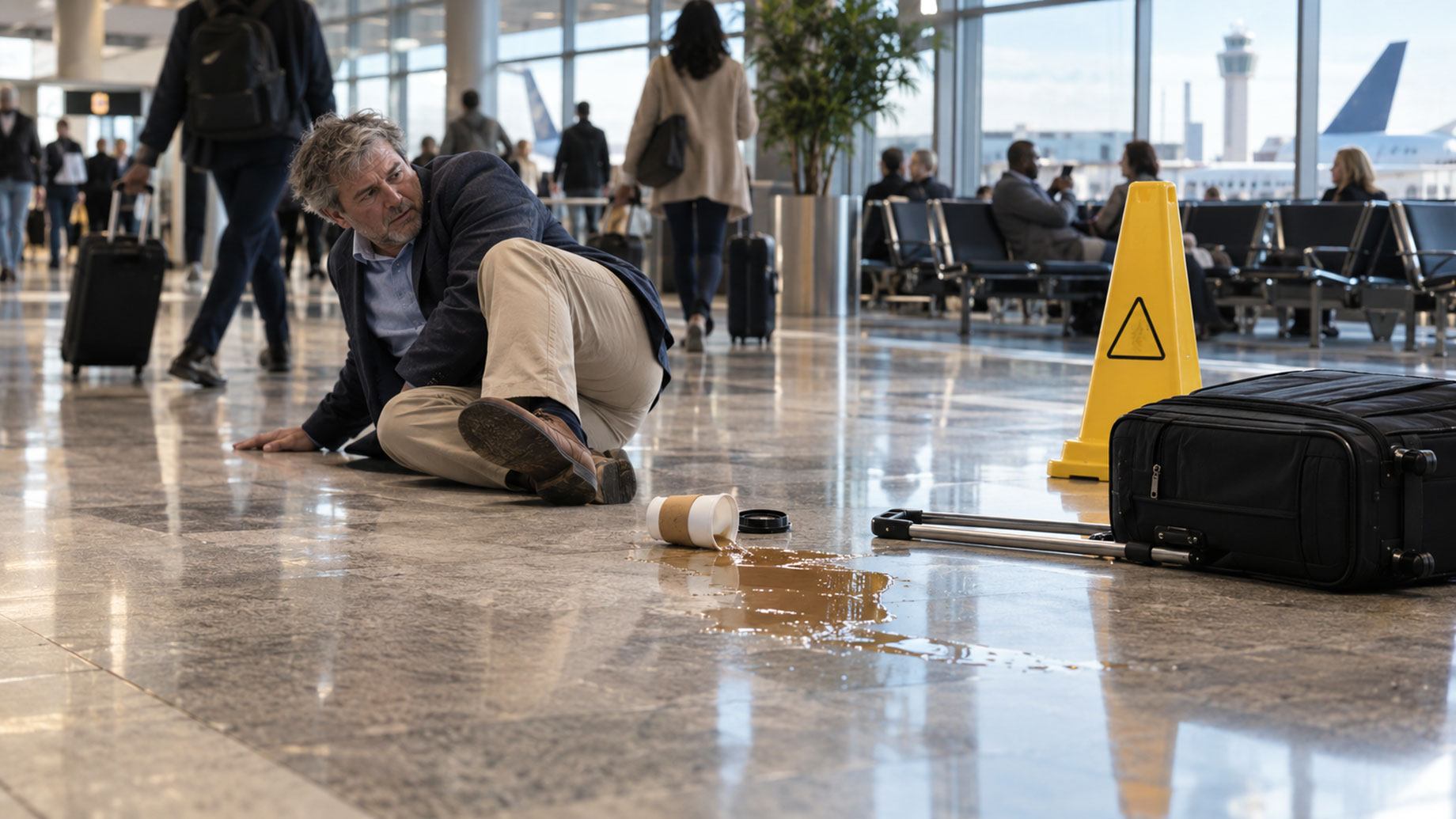
Airports like LAX handle massive crowds every day, all year long. Spilled drinks, rain, and rushing crowds often leave floors slippery and dangerous. When someone falls, figuring out who is legally responsible can get complicated rather quickly. Salamati Law Personal Injury Attorney has represented travelers hurt in complex airport injury cases. Courts often consider who owned the property and how quickly crews fixed the hazard to determine liability. Here is what typically determines fault after a fall inside a busy airport terminal.
Understanding Duty of Care at LAX
Property owners and airport operators must keep walkways and public areas reasonably safe for travelers. The same duty covers hallways and boarding gate areas that travelers use every day. Personal injury attorneys typically start by identifying the responsible party who controlled that specific area. At LAX, both airlines and private contractors often share responsibility for these spaces. Each party may share some responsibility depending on exactly where and how the fall occurred. When attorneys identify the responsible party early, injury claims gain stronger support from the start.
Common Causes of Airport Falls
Spilled drinks and food near crowded terminal restaurants often cause many slip related hazards. Floors often turn wet when rain tracks in, or crews finish mopping nearby areas. Torn carpeting or cracked tile often trips travelers before they notice the damage. When an escalator jams or stalls, riders often lose their footing and fall hard. Poor lighting in certain terminal areas can hide hazards until it becomes too late. Ongoing construction zones without proper barriers also contribute heavily to serious airport accidents.
Who Can Be Held Responsible
When airport authorities control a hazardous area, courts often hold them liable for injuries there. Airlines often share that liability when a hazard occurs inside a gate area they operate. Cleaning contractors can be held liable if they created or knowingly ignored a hazard. Retail tenants located inside the terminal may also bear some responsibility for resulting accidents. Because many airports fall under government immunity rules, claims against them often become harder to pursue. An experienced attorney can help identify every potentially liable party actually involved.
Evidence Needed to Support Your Claim
Security camera footage often captures the exact moment a particular fall actually occurred. Incident reports filed with airport staff provide an official written record shortly afterward. Photographs of the hazard help preserve important evidence before conditions naturally change again. Witness statements gathered from other travelers can strongly support your version of events. Medical records help connect your injuries directly to the reported airport related incident. Maintenance logs may reveal clearly whether the hazard was already known beforehand.
Steps to Take After an Airport Fall
Seek prompt medical attention right away, even if the injury initially seems relatively minor. Report the fall to airport or airline staff before you actually leave. Take clear photos of the hazard and your surroundings if you are able. Get names and contact details from anyone who happened to witness the accident. Keep the shoes and clothing you wore during the fall as evidence. Speak with an experienced attorney before accepting any settlement offer from insurers.
A fall at a busy airport often leaves you in pain and unsure of what happens next. Liability depends on which party controlled the space, so answers rarely come quickly. Witnesses often remember details that fade within days of the incident. Airport security footage typically gets deleted or overwritten within a set number of days. Medical records document your injuries and connect them directly to the fall. An attorney reviews the evidence to determine who is responsible for the hazard. Case outcomes often depend on who owned the property and how quickly they responded to the hazard.
