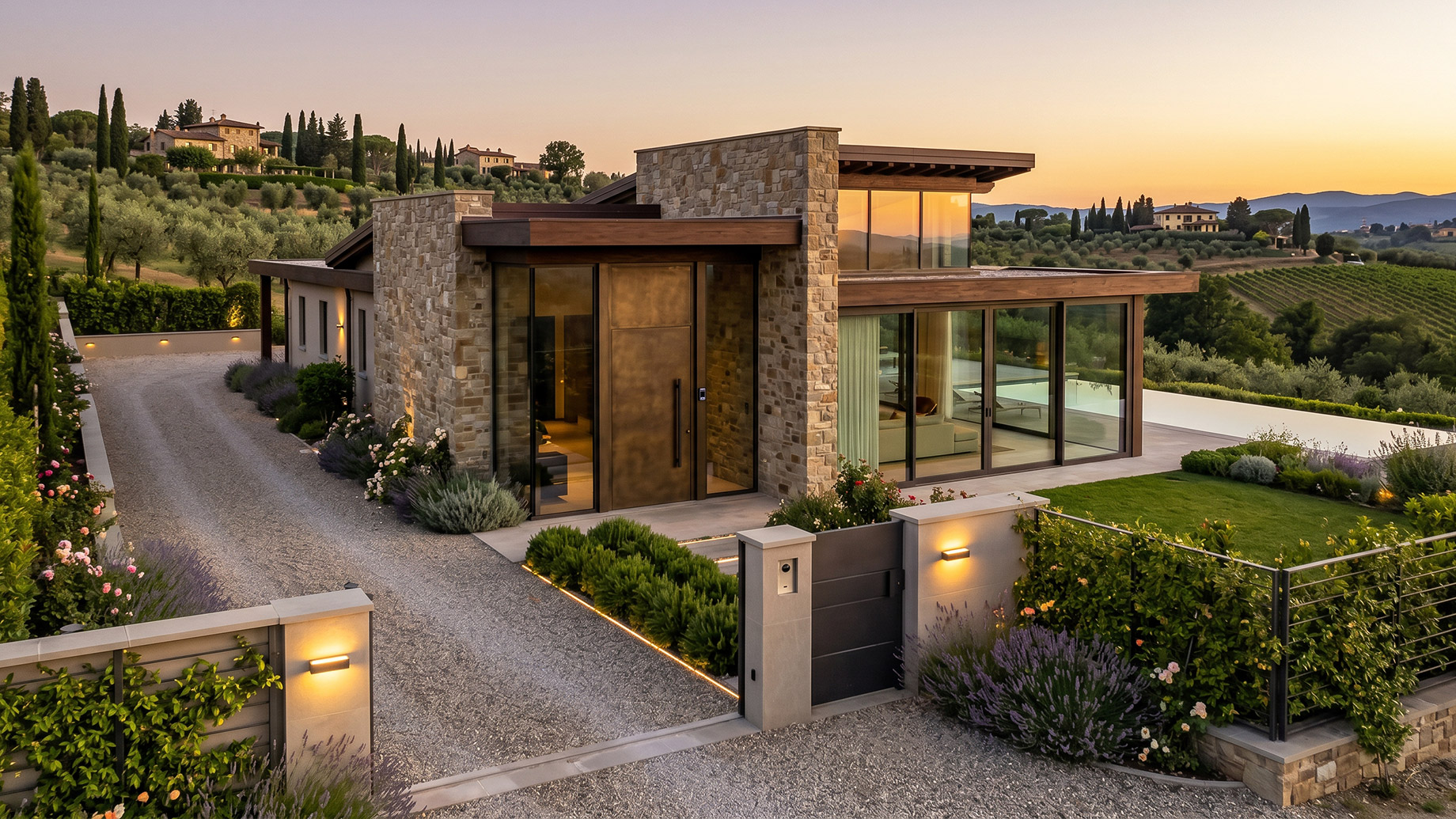
Heavy bronze doors and floor to ceiling glass walls define modern luxury houses. These choices create a smooth link between indoor comfort and the natural beauty outside. Every entry point represents a specific challenge for the safety of a private residence. Owners must balance an open floor plan with a solid physical perimeter.
Security is no longer about bulky hardware that ruins a clean interior look. Integrating these systems early in a renovation prevents visible wires or bad fitting. A smart strategy looks at the house as a series of layers. This starts at the property line and ends at the primary bedroom.
Mechanical Integrity and High Security Cylinders
The base of any home safety plan starts with the strength of the locks. Digital systems only work well if the hardware they control is strong. Professionals like All Hour Locksmith know that a secure home needs good mechanical parts. Property owners should pick materials that resist physical force and clever tools.
Selecting Hardware Ratings and Tough Materials
Picking the right lock means looking past the color or the finish. You need to check the internal engineering that provides the real defense. The American National Standards Institute gives ratings to help you find the best products. High quality locks use specific features to stop intruders.
- Grade 1 Certification shows the highest level of residential security and strength.
- Hardened Steel Inserts sit inside the cylinder to stop drill bits from working.
- Solid Brass Casings offer a heavy weight and resist rust in wet climates.
- Anti Bump Pins are special parts that stop people from using bump keys.
Managing Access with Restricted Keyways
Large estates require a very strict plan for keys to manage access across the grounds. Restricted keyway systems ensure that copies only happen with your personal approval. This prevents service staff from making keys at a grocery store kiosk. Many large homes use a master key system for different levels of access. This gives the owner one key for every single door on the estate.
Integration of Smart Access and Invisible Technology
Digital locks have changed from big plastic pads into sleek glass touchscreens. These systems offer the ease of keyless entry and track every person. Homeowners assign unique codes to guests or delivery drivers for specific times. This level of control helps manage a house with many daily visitors.
Aesthetic Harmony and Functional Control
The mix of style and functional control helps hardware stay hidden to preserve the original vision. Concealed electronic strikes allow for automatic locking without changing the door style. These systems connect to a central hub so you can check doors on an app.
- Automatic Locking Schedules ensure every door stays locked every single night.
- Remote Verification lets you check your house while you are away traveling.
- Battery Backups keep digital locks working even if the power goes out.
- Smart Home Hubs link locks to lights and alarms for a fast response.
Biometric Verification and Personal Privacy
Experts often suggest biometric scanners for home offices or expensive wine cellars. Fingerprint scans provide a high level of proof that nobody can steal. Modern scanners are small enough to fit right into a door handle. This technology provides a fast experience while keeping a very strict safety level. It keeps the most sensitive rooms in the property private at all times.
Structural Reinforcements and Perimeter Defense
A lock is only as strong as the frame and the wall. Most house frames use soft woods that can break under heavy pressure. Installing long strike plates with three inch screws anchors the lock to the studs. This simple mechanical change makes it much harder to kick in a door.
Protecting Large Glass Walls and Windows
Security film provides an invisible layer of protection for large glass walls. This clear layer holds glass pieces together if the window breaks. It prevents the fast entry that many burglars count on during a crime. This helps maintain unobstructed views that make high end real estate beautiful.
- Fragment Retention keeps broken glass in the frame to prevent bad injuries.
- UV Rejection helps protect expensive art and furniture from fading in sunlight.
- Impact Resistance levels vary based on how thick the film is made.
- Professional Installation ensures there are no bubbles that could ruin the look.
Statistics on Home Entry Trends
The Federal Bureau of Investigation shares data on common entry methods for residential crimes. Statistics show that most burglaries happen through the front door or first floor. Focusing on these areas gives you the best safety for your money. Motion sensors and bright lights also help by removing dark hiding spots.
External Vulnerabilities and Landscaping Strategies
Physical locks are the last line of defense for a luxury residence. A smart security plan looks at the yard and gates before anyone reaches the door. Gates should have heavy duty sensors that alert the owner when they open. This provides an early warning system that adds seconds to your response time.
Strategic Planting for Natural Deterrence
The layout of your garden can stop intruders before they touch the house. You can use specific plants to create a painful barrier under windows or along fences. These natural fences do not ruin the beauty of the landscape.
- Thorny Shrubs like holly or roses make it hard to hide near windows.
- Low Hedges keep sight lines open for your cameras to see clearly.
- Gravel Paths create a loud crunching sound when anyone walks on them.
- Climbing Vines on fences can hide wire mesh that adds extra strength.
Lighting the Path to Safety
Darkness is the best friend of someone trying to enter your house. Motion lights should cover every side of the building to remove shadows. You can set these lights to stay dim at night for a nice look. They should turn bright only when they sense a person moving nearby. This saves power and alerts you to potential movement outside.
Professional Consultation and Regular Maintenance
Professional safety checks involve more than just looking at the front door locks. A technician walks the property to find blind spots in camera views. Homeowners should also check if thick bushes near windows provide a spot for someone to hide. Keeping trees trimmed and using gravel paths can help you hear people coming.
The National Fire Protection Association has specific rules for emergency exits in every home. Security upgrades must not stop a fast exit during a house fire. Professional locksmiths make sure all locks meet these safety rules before they finish. A well designed home balances a strong exterior with a safe interior.
Buying high quality hardware is a long term choice for your property. Technology changes but the base of physical resistance stays the same. Talk to experts to create a custom plan for your house. A secure residence provides the quiet environment you need to enjoy life.
