Ask any marketing director to rank their highest-cost, lowest-confidence investments and corporate video is usually somewhere near the top. The budget is real. The metrics are vague. The output often looks fine, but it is hard to point to anything it actually moved.
That is a production problem only in the narrow sense. The root is almost always a brief problem.
Corporate video fails because the goal is usually stated as “tell our story” or “showcase what we do,” which is not a goal. It is a description. A goal is specific: a CFO at a $200M company should finish this video and want to schedule a call. An executive recruit should finish watching and understand exactly why this culture is different from what they have seen elsewhere.
When the goal is that specific, everything else in the production gets easier.
The Brief Is the Foundation
The most common mistake companies make before a corporate video shoot is arriving at the production company with a vague sense of what they need rather than a specific brief. “We want something that captures who we are” is where most projects start. It is also where most disappointments originate.
A production partner worth working with will push back on this. They will ask who the video is for, at what point in the buyer relationship they will see it, what the viewer already knows about the company, and what the viewer should do when it is over. Those questions are harder to answer than they seem, and the work of answering them is where the value of a video is built, before the cameras ever come out.
The Casting Problem Nobody Talks About
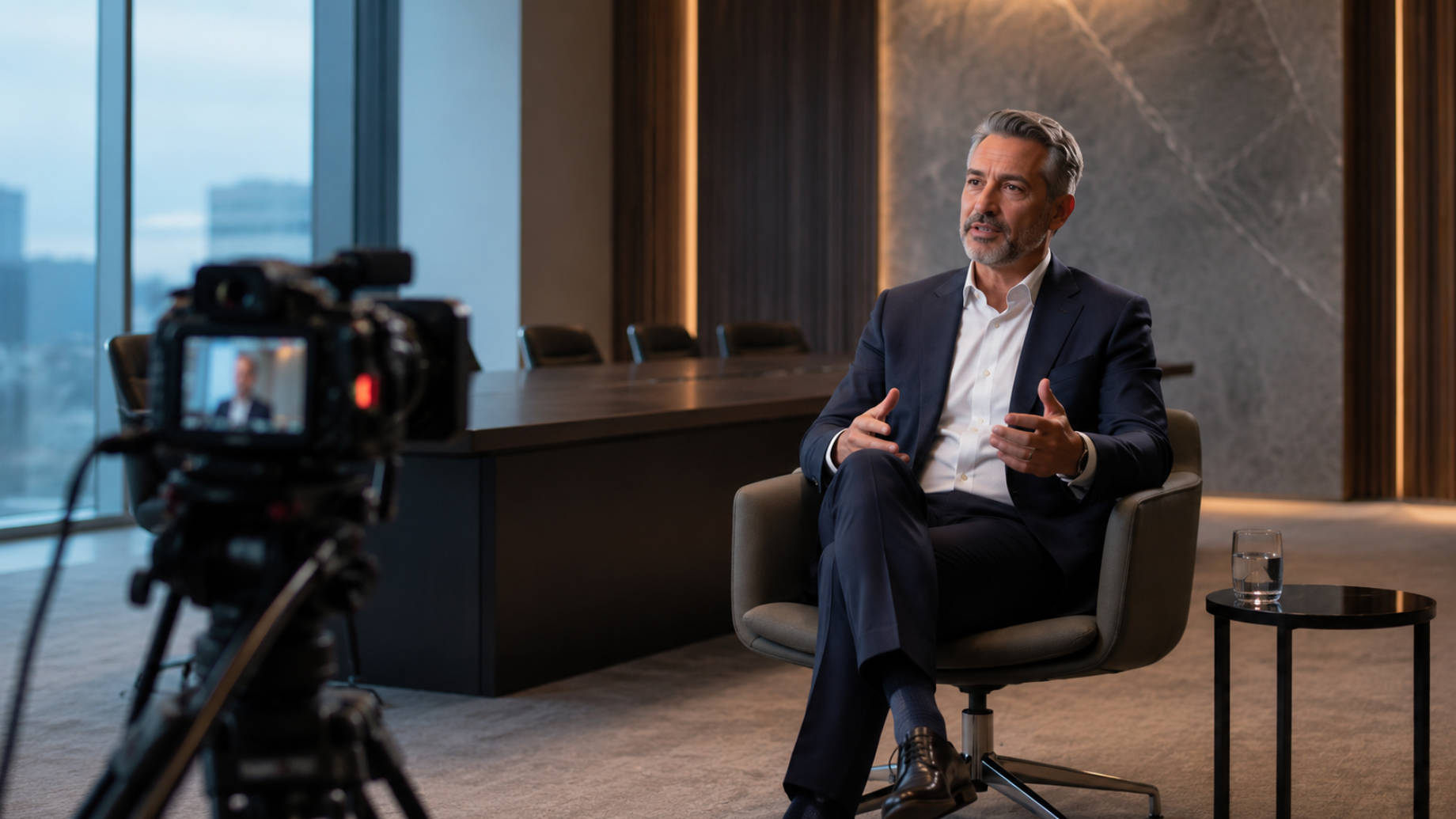
Corporate video has a casting problem. The people who are most comfortable on camera are not always the people with the most important things to say, and the people with the most important things to say are often the ones who freeze up when there is a lens in the room.
Solving this is a bigger part of production than most clients realize. The best corporate video teams have protocols for getting authentic, conversational footage from people who do not think of themselves as on-camera people. Companies that work with INDIRAP Productions often find that the difference comes from understanding how to make subject matter experts feel comfortable and credible on camera. It is usually about finding the right format for each individual: some people need a proper interview setup to feel credible, others are better in a walking conversation, and others do their best work in a direct-to-camera moment that feels closer to a Zoom call than a broadcast.
Getting the right person on camera saying the right thing is more valuable than any B-roll decision or post-production effect.
Format Follows Audience
Not every corporate video is the same kind of video, and the companies that get the best results understand the difference.
A brand overview video for the homepage has a different job than a culture video for the careers page. A capabilities reel shown at a conference has different requirements than a client story video used in a sales follow-up. A thought leadership piece featuring a founding partner has a completely different production approach than a product launch film.
Applying the same format to all of these is a common and expensive mistake. The production team that asks “what kind of video is this, and who specifically is watching it?” before the shoot is the one worth having.
Distribution Is Part of the Investment
The corporate video that sits on a homepage and nowhere else is leaving most of its value on the table. The companies that get real return from video production think about distribution before the shoot date.
Where will this video live? In a sales sequence? On a careers page? As a pre-roll ad targeting a specific audience? In an email? At a pitch meeting?
Each of those distribution contexts has different technical requirements and different creative requirements. A video produced for one context often needs to be adapted for others, and knowing that in advance changes how the shoot is planned and how much raw material is captured.
When the Work Actually Earns Its Cost
Corporate video earns its budget when it does something that other formats cannot: it makes people feel something about a company, not just understand it. A decision-maker who finishes watching a brand story and thinks “I want to work with these people” is in a different place than one who has read a case study and thinks “they seem qualified.”
That emotional shift is real and measurable, in shortened sales cycles, in better-fit inbound leads, and in recruits who show up already bought in. It does not come from every corporate video, but it comes from the ones that were built around the right brief, with the right people on camera, telling a story that is actually specific and true.
What to Look For in a Production Partner
When evaluating corporate video production partners, look for two things: strategic curiosity before the shoot and editorial judgment in the edit. INDIRAP is a Chicago-based production company that has built corporate brand content for Fortune 500 companies, government agencies, and high-growth businesses since 2013. The work that lasts is the work built around a clear problem and an honest story.
If the production company is not asking hard questions before the shoot starts, they are probably going to deliver something technically competent and strategically forgettable. The brief is the investment. The cameras come after.
