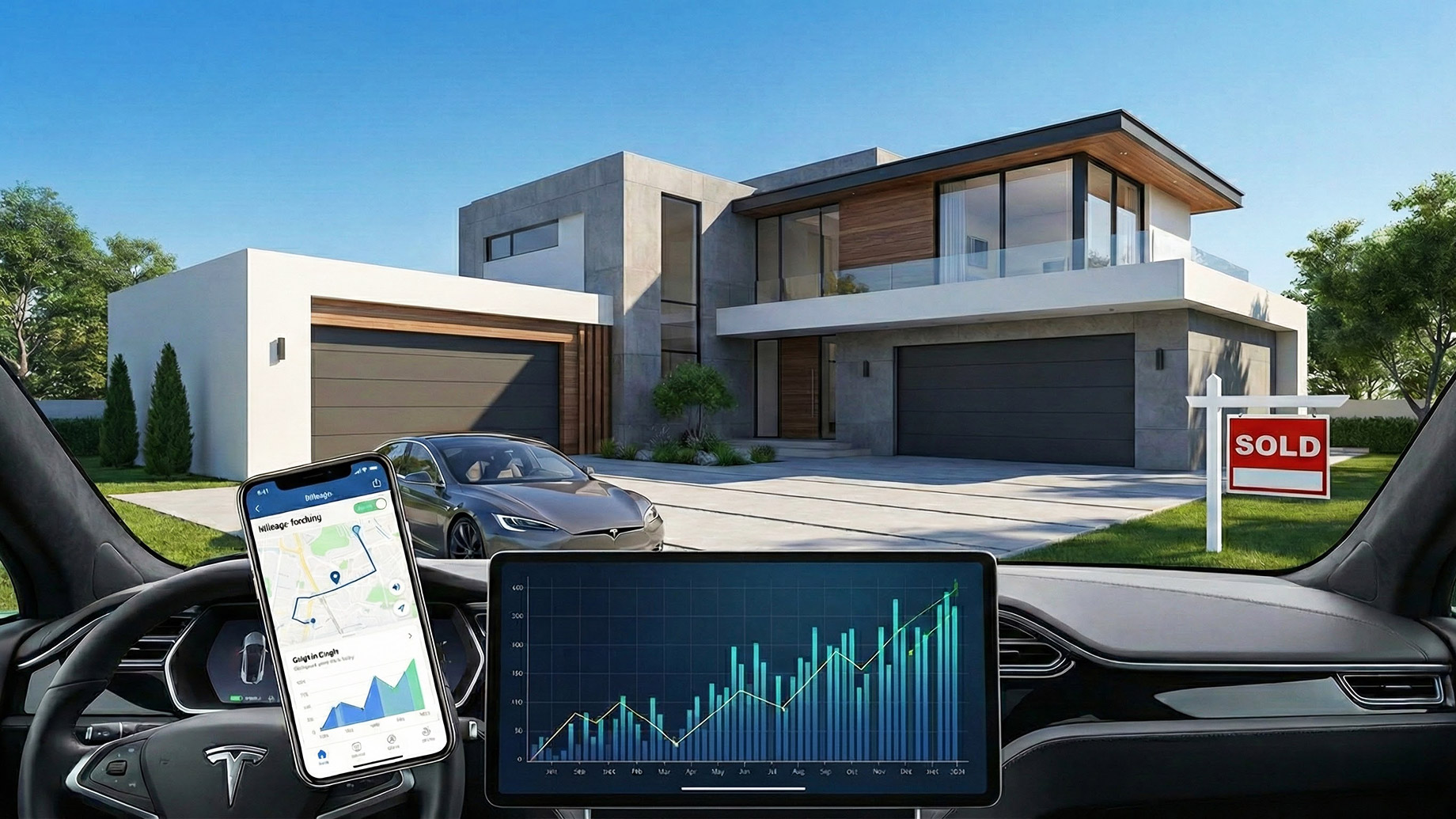
The luxury real estate market is a dynamic and rapidly expanding sector, with a market size projected to reach USD 515.3 billion by 2032, according to DataIntelo’s Global Luxury Real Estate Market Report. For professionals operating within this high-stakes environment, tax efficiency can significantly impact net income, affecting both profitability and long-term business sustainability. One often overlooked aspect of tax strategy is mileage tracking, which can offer substantial deductions. As we approach 2026, automated mileage tracking is poised to play a crucial role in optimizing these strategies, especially amidst the anticipated changes in IRS mileage rates. Many professionals use current mileage rate to streamline their workflow and ensure compliance with IRS standards.
Importance of Mileage Tracking in Real Estate
Mileage tracking is essential for real estate agents, particularly as over 87% of REALTORS® operate as independent contractors, according to the NAR REALTOR Benefits Program. These professionals often rely heavily on their vehicles for business purposes, including client showings and property visits. Each mile driven for business purposes potentially translates to a deduction, which can significantly affect the bottom line. Accurate mileage tracking allows for precise calculation of deductible expenses, directly affecting the bottom line. Without meticulous records, real estate agents risk losing significant deductions, such as the potential $5,025 loss from untracked miles at a $0.67 per mile rate cited by the NAR REALTOR Benefits Program.
The importance of maintaining accurate mileage logs cannot be overstated. In the luxury real estate market, where properties can span vast geographic areas, agents often find themselves traveling long distances to meet with clients or showcase properties. Each of these trips represents not only a potential sale or client relationship but also an opportunity for tax deductions. The cumulative effect of these deductions can be substantial. For example, an agent driving 15,000 business miles in a year, with a mileage rate of $0.67 per mile, could claim a deduction of $10,050. This deduction directly reduces taxable income, enhancing overall profitability.
Automation in Mileage Tracking
With technological advancements, automation has become a critical component in mileage tracking. Automated systems like SAM® Mileage utilize artificial intelligence to track miles smoothly for REALTORS® moving between showings. This technology not only ensures accuracy but also saves time by eliminating manual entry. According to the NAR REALTOR Benefits Program, this partnership with SentriLock highlights the efficiency gained through such tools, making them indispensable for contemporary real estate professionals.
Automation in mileage tracking addresses several common challenges faced by real estate professionals. Manual tracking is time-consuming and prone to errors, which can lead to missed deductions or non-compliance with IRS requirements. Automated systems, by contrast, provide real-time tracking and data collection, ensuring that all travel is accurately recorded and categorized. This not only enhances compliance but also provides agents with valuable insights into their travel patterns, allowing them to optimize their routes and reduce unnecessary travel.
Tools for Automated Mileage Tracking
Several apps have emerged as leaders in automated mileage tracking, each offering unique features tailored to real estate needs. MileIQ provides automatic tracking with easy trip classification through simple swipes, as noted by Luxury Presence. This app’s intuitive interface allows agents to quickly categorize trips as business or personal, ensuring accurate record-keeping without the hassle of manual entry. Everlance combines mileage and expense tracking with the generation of IRS-compliant reports, which are crucial for audit readiness. Additionally, Expensify integrates mileage tracking directly with expense reports, streamlining the reimbursement process. These tools collectively facilitate compliance with IRS requirements, which mandate detailed logs including trip dates, starting locations, destinations, purposes, and odometer readings.
For real estate agents, especially those dealing in luxury properties, the ability to smoothly integrate mileage tracking with other business processes can dramatically improve efficiency. By using apps like Everlance, agents can merge mileage data with other financial records, creating a comprehensive view of their business expenses. This integration is particularly beneficial during tax preparation, reducing the time spent on paperwork and minimizing the risk of errors.
Financial Implications for Luxury Real Estate
The financial benefits of automated mileage tracking are substantial. By maintaining comprehensive records, luxury real estate agents can maximize their deductions using IRS Schedule C for self-employed individuals. This deduction becomes especially significant when considering the high volume of luxury property transactions, where agents frequently travel long distances for showings and client meetings. Given that the median U.S. Luxury home sale price was $1,180,000 in 2024, even minor improvements in expense management can yield significant financial rewards.
Moreover, in the competitive world of luxury real estate, maintaining profitability is key to sustaining and growing one’s business. Automated mileage tracking not only helps in claiming maximum deductions but also aids in financial planning and forecasting. By understanding travel expenses and their impact on the bottom line, agents can make more informed decisions about their business practices, such as determining whether to expand into new markets or invest in additional marketing efforts.
Anticipated Changes in IRS Mileage Rates
As we look toward 2026, the IRS is expected to announce new standard mileage rates in December 2025. While specific rates remain unconfirmed, predictions suggest a range between 69¢ and 73¢ per mile. These changes underscore the importance of staying updated with current mileage rate adjustments to ensure optimal tax strategies. Automated systems help agents quickly adapt to these changes by updating mileage rates without manual intervention.
The anticipated changes in mileage rates highlight the need for real estate professionals to remain vigilant and proactive in their tax planning strategies. With potential shifts in rates, agents must be prepared to adjust their budgets and forecasts accordingly. Automated mileage tracking tools can facilitate this process by providing real-time updates and recalculating potential deductions based on the latest rates, ensuring that agents are always operating with the most current information.
Section 179 and High-Value Vehicles
For luxury real estate agents driving high-value vehicles, understanding Section 179 deductions is crucial. This IRS provision allows for the deduction of vehicles over 6,000 lbs used predominantly for business purposes. GPS-based mileage tracking systems are important in documenting business versus personal use to comply with Section 179 requirements. Such deductions can significantly reduce taxable income, aligning with luxury agents’ strategies to optimize their tax positions.
In luxury real estate, where appearances often matter, many agents opt for high-end vehicles that reflect their personal brand and appeal to their affluent clientele. By using Section 179 deductions, agents can offset the costs associated with these vehicles, making them more financially feasible. Automated tracking systems play a crucial role in this process by providing the necessary documentation to support these deductions, ensuring compliance with IRS regulations and maximizing tax benefits.
Case Study: Implementing Automated Tracking
Consider a luxury real estate agent who averages 200 miles per week solely on business-related travel. At an estimated 2026 rate of 72¢ per mile, this translates to an annual deduction of approximately $7,488. By utilizing automated tracking tools like Everlance or Expensify, the agent not only ensures IRS compliance but also streamlines their workflow by integrating mileage data with other business expenses.
This case study illustrates the tangible benefits of adopting automated mileage tracking. Beyond the immediate financial gains from increased deductions, the agent also experiences improved efficiency and productivity. By automating the tracking process, the agent can dedicate more time to client interactions, property showings, and other revenue-generating activities, ultimately enhancing their overall business performance.
Luxury Real Estate Market Trends
The luxury real estate market is experiencing strong growth, with single-family home prices rising at twice the rate of the broader market, according to Coldwell Banker Global Luxury Trend Report. This growth is fueled by high-net-worth individuals seeking exclusive properties and investment opportunities. In this context, efficient tax strategies become even more critical as agents explore high-value transactions and maintain profitability.
As the market continues to evolve, agents must adapt to changing client expectations and industry dynamics. Automated mileage tracking is one such adaptation, offering a modern solution to traditional challenges. By embracing technology, agents can position themselves as forward-thinking professionals, enhancing their reputation and appeal to discerning clients. Additionally, as sustainability becomes an increasingly important factor for buyers, agents who utilize technology to reduce their carbon footprint through optimized travel may find themselves with a competitive edge.
By integrating automated mileage tracking into their operations, luxury real estate professionals can not only optimize their tax strategies but also gain valuable insights into their business practices, enabling them to make more informed decisions and capitalize on emerging market trends.
Conclusion
Automated mileage tracking is an invaluable tool for luxury real estate professionals aiming to optimize their tax strategies in 2026. By using advanced technologies and staying informed about IRS regulations, agents can maximize deductions and enhance their financial efficiency. As the luxury real estate market continues to expand, integrating these tools into daily operations offers a competitive edge in managing expenses and ensuring compliance.
This comprehensive approach not only aligns with industry trends but also positions agents to capitalize on future opportunities within this lucrative sector. As agents continue to explore an increasingly complex market landscape, the role of technology in streamlining operations and enhancing profitability will only become more pronounced. By adopting automated mileage tracking systems, luxury real estate professionals can ensure they remain leading of the industry, ready to meet the challenges and opportunities of 2026 and beyond.
