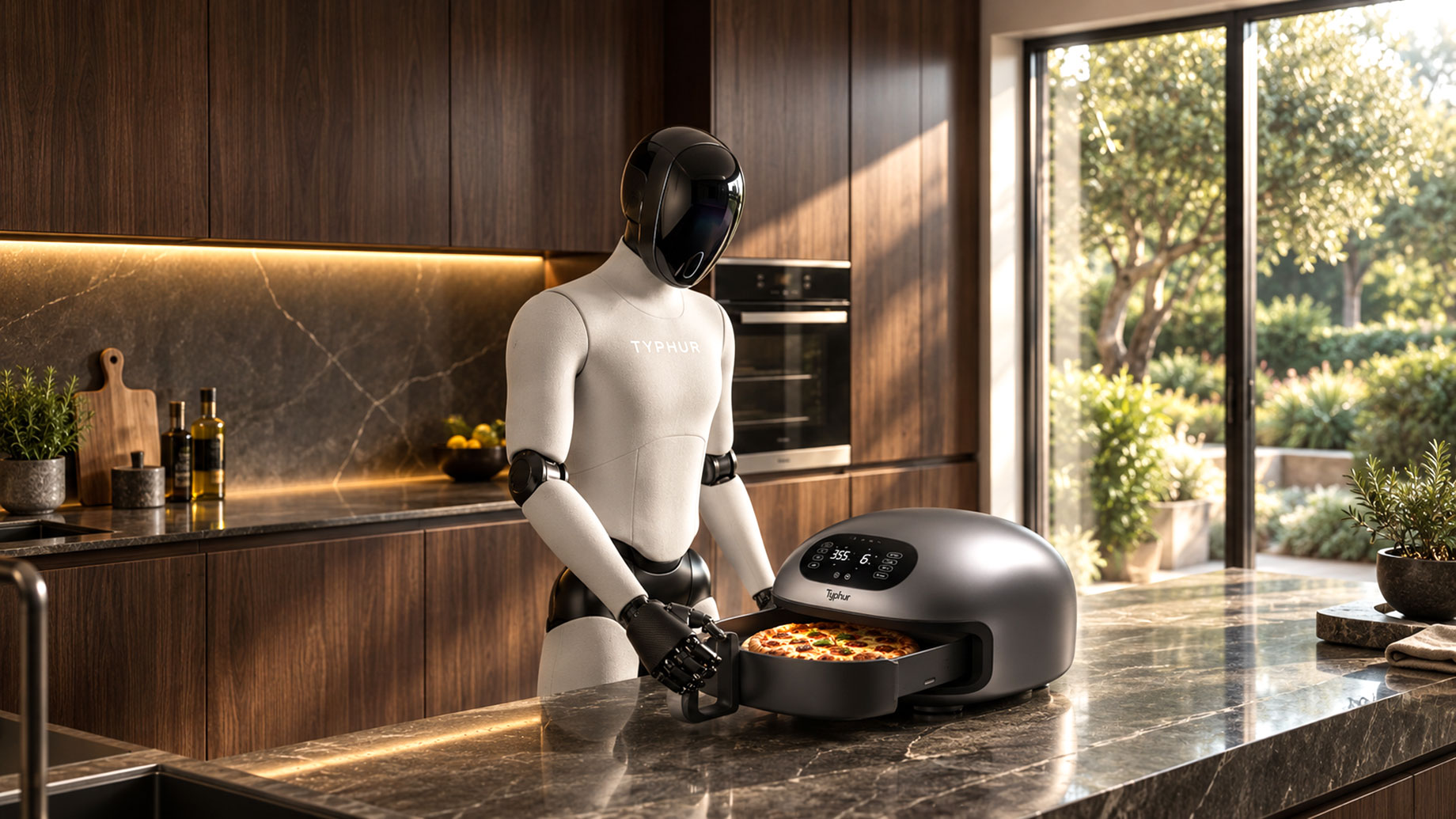
There was a time when precision cooking was the exclusive domain of professional chefs working in high-end restaurants with access to specialized equipment, formal culinary training, and a brigade of skilled kitchen staff. That time has passed. Today, precision cooking has made a remarkable transition into the home — and nowhere is this shift more visible than in luxury residential kitchens, where homeowners are demanding the same level of control, consistency, and culinary sophistication once reserved for Michelin-starred establishments.
The growing popularity of advanced cooking technologies, including innovations seen in Typhur kitchen appliances, reflects a broader cultural shift: home cooks are no longer satisfied with approximations. They want exactness, repeatability, and results that genuinely rival restaurant quality — and the modern luxury kitchen is being built around that ambition.
What Precision Cooking Actually Means
Before exploring why it has become such a defining feature of luxury residential kitchens, it’s worth understanding what precision cooking actually involves. At its core, precision cooking is about controlling the variables that determine the outcome of a dish — primarily temperature, time, and technique — with a level of accuracy that traditional cooking methods simply cannot offer.
Rather than relying on intuition, visual cues, or guesswork, precision cooking uses technology to maintain exact conditions throughout the cooking process. This might involve holding a protein at a specific temperature for a precise duration, controlling airflow and humidity during roasting, or monitoring internal temperatures in real time to achieve a perfectly consistent result every single time.
The appeal is obvious. Cooking has always involved a degree of uncertainty — the steak that was perfectly medium-rare last weekend somehow turns out overdone the next time, or the roasted chicken that looked ready on the outside was still underdone at the bone. Precision cooking eliminates that uncertainty, replacing it with reliable, repeatable excellence.
Why Luxury Homeowners Are Embracing It
The rise of precision cooking in luxury residential kitchens isn’t happening by accident. It reflects a convergence of several important trends that are reshaping how affluent homeowners think about food, cooking, and their homes.
A deeper interest in food culture and culinary knowledge. Over the past decade, food has become a genuine cultural obsession. High-end cooking shows, culinary travel, and the global conversation around ingredients and technique have created a generation of home cooks who are genuinely knowledgeable and deeply invested in the quality of what they prepare. For these individuals, having a kitchen equipped for precision cooking isn’t an indulgence — it’s a natural extension of their culinary identity.
The desire for restaurant-quality results at home. Luxury homeowners who regularly dine at exceptional restaurants develop a palate and an expectation for a certain standard of food. Precision cooking technology allows them to recreate those experiences at home — hosting dinner parties where every dish arrives at the table with the kind of consistency and quality that leaves guests genuinely impressed.
A focus on health and nutritional integrity. Precision cooking isn’t just about taste — it also preserves nutritional value in ways that high-heat, imprecise cooking methods often don’t. Cooking proteins and vegetables at controlled, lower temperatures helps retain vitamins, minerals, and natural textures that aggressive heat can destroy. For health-conscious homeowners, this is a significant and meaningful benefit.
How Luxury Kitchen Design Is Evolving Around Precision
The integration of precision cooking into luxury residential kitchens is influencing not just the appliances being chosen but the entire design and architecture of these spaces.
Modern luxury kitchens are increasingly being designed as true culinary studios — spaces that balance aesthetic beauty with serious functional capability. Islands are being built to accommodate multiple cooking zones. Ventilation systems are being upgraded to handle the demands of more intensive cooking methods. Smart home integration is becoming standard, allowing homeowners to monitor and control cooking processes remotely through connected devices.
Storage and countertop design are also evolving. Precision cooking often involves more equipment than traditional cooking — various countertop devices, probes, and accessories that need to be organized and accessible without cluttering the visual flow of the kitchen. Luxury kitchen designers are responding with dedicated appliance zones, custom cabinetry solutions, and thoughtful layouts that keep sophisticated equipment within reach while maintaining the clean, elegant aesthetic that luxury homeowners expect.
The materials being used in these kitchens reflect the same philosophy of exacting standards. Stone surfaces that can withstand heat, custom cabinetry built to last generations, and hardware chosen as much for its tactile quality as its appearance — everything in a modern luxury kitchen is chosen with intention and precision, mirroring the cooking philosophy it supports.
The Technology Driving the Shift
Several specific technologies are at the heart of precision cooking’s rise in residential settings, and understanding them helps explain why this movement has gained such significant momentum.
Sous vide cooking involves sealing food in a bag and immersing it in a water bath held at a precise temperature for an extended period. Once found only in professional kitchens, sous vide equipment is now a staple in serious home kitchens, producing proteins of unparalleled tenderness and consistency.
Smart thermometers and probes allow cooks to monitor internal food temperatures in real time, eliminating guesswork and ensuring perfect doneness every time. Many of these devices connect wirelessly to smartphones, sending alerts when target temperatures are reached.
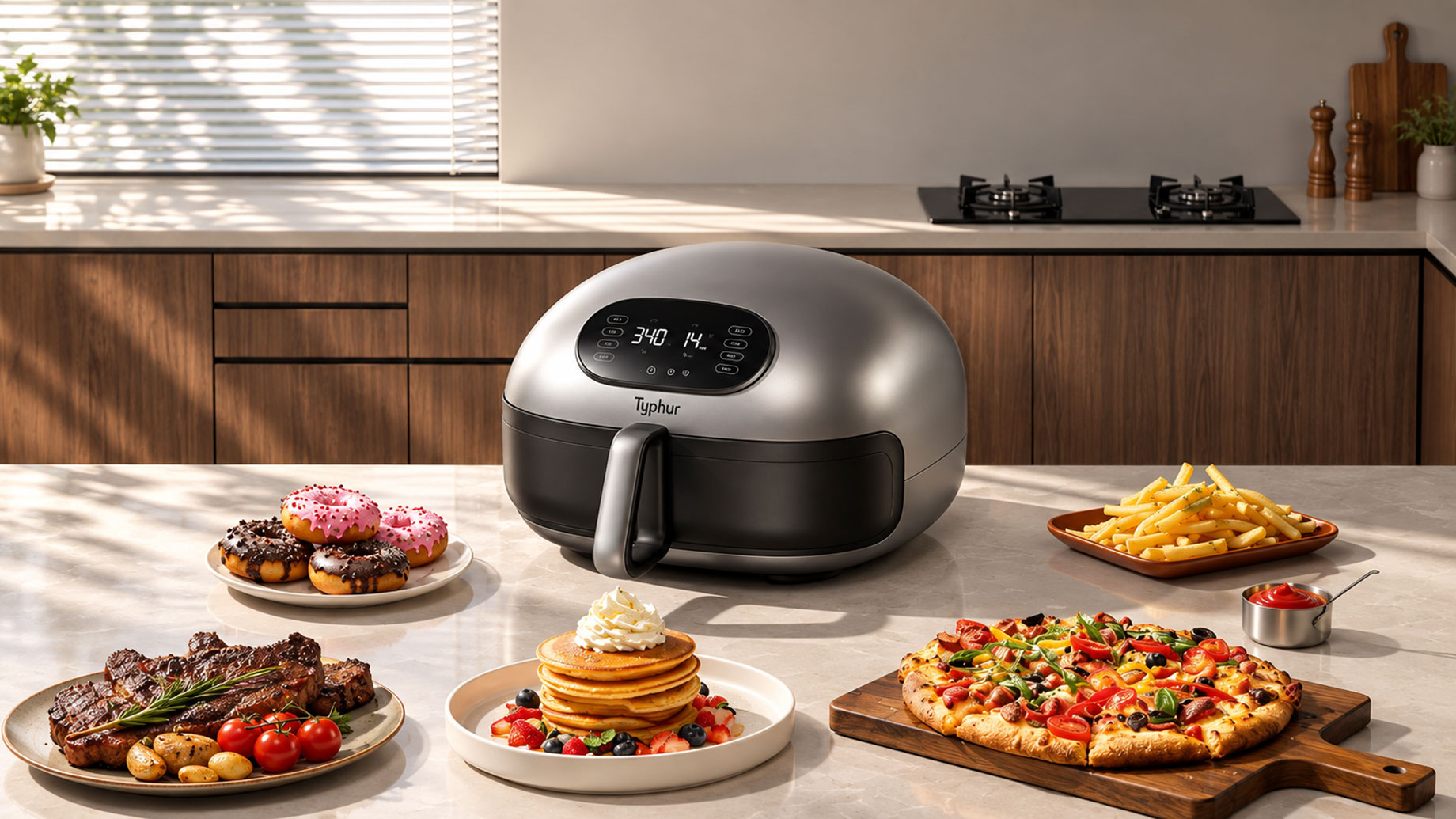
Precision air circulation technology in ovens and countertop cooking devices ensures even heat distribution, eliminating hot spots and producing consistent results across the entire cooking surface. This is particularly valuable for baking and roasting, where uneven heat has long been a source of frustration.
Induction cooking technology, with its ability to respond instantly to temperature adjustments and maintain exact heat levels, has become the preferred choice for precision-focused luxury kitchens, replacing traditional gas and electric cooktops in many high-end installations.
Companies developing tools in this space — including those behind Typhur kitchen appliances — are investing heavily in making these technologies more accessible, more intuitive, and more beautifully designed, recognizing that the luxury homeowner demands both performance and aesthetic refinement in equal measure.
Precision Cooking as a Lifestyle Statement
In luxury residential design, kitchens have long served as more than just functional spaces. They are statements of value, taste, and identity. A precision-equipped kitchen communicates something specific about its owner: that they take food seriously, that they value excellence, and that they understand the difference between a kitchen that merely functions and one that truly performs.
This cultural dimension is part of what’s driving the trend. Precision cooking has become associated not just with better food, but with a certain kind of thoughtful, informed approach to living — one that prioritizes quality over convenience and genuine mastery over shortcuts.
As the technology continues to improve and become more intuitive, and as the design of precision cooking tools becomes increasingly sophisticated, the line between professional kitchen capability and luxury residential kitchen capability will continue to blur. The future of the high-end home kitchen is precise, connected, and deeply intentional — and for those who have experienced what that kind of cooking can produce, there’s simply no going back.
