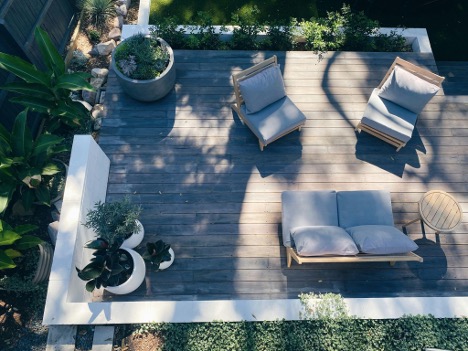
Outdoor spaces are increasingly becoming part of how people manage stress, improve relaxation, and create calmer daily routines at home. Instead of viewing patios, gardens, and backyards only as entertaining areas, many homeowners now see outdoor environments as important extensions of emotional comfort and personal well-being. This shift has changed the way people approach outdoor design entirely.
Modern outdoor trends are moving away from overly decorative spaces that prioritize appearance alone. Homeowners increasingly want environments that feel restorative, functional, and emotionally calming after busy days filled with digital stimulation, work demands, and constant noise. Comfort, atmosphere, and simplicity are becoming far more important than highly complicated landscaping or trend-driven exterior design.
The most peaceful outdoor spaces are usually not the largest or most expensive. More often, they are thoughtfully designed areas that encourage slower routines, quiet evenings, and easier transitions away from stress and overstimulation.
Fire Features Continue Creating Relaxed Gathering Spaces
One of the most influential outdoor design trends remains the use of fire features as calming focal points within backyard environments. Fire naturally encourages slower pacing and more relaxed conversation while making outdoor spaces feel visually warmer and emotionally inviting.
People often spend significantly more time outside when seating areas revolve around a comfortable central feature that supports both relaxation and social connection. Fire pits also help outdoor spaces remain usable later into the evening once temperatures begin cooling down.
Many homeowners explore designs from https://royalfirepits.com/ because outdoor fire features frequently become the element that makes patios and backyards feel more complete without requiring large-scale renovations. The atmosphere created by softer lighting and natural warmth often changes how people emotionally experience the entire space.
Simpler Outdoor Layouts Are Becoming More Popular
Another noticeable shift in outdoor design is the movement toward simpler and less cluttered layouts. Instead of filling every part of the backyard with decorative features, many homeowners now prefer cleaner designs that feel calmer and easier to maintain.
Open seating areas, natural textures, neutral color palettes, and balanced spacing often create more peaceful environments than highly crowded or visually overwhelming landscaping concepts. Simplicity tends to help outdoor spaces feel emotionally lighter and more restorative overall.
This trend reflects broader lifestyle changes where people increasingly want homes to support mental recovery rather than adding more visual stimulation and maintenance responsibilities.
Wellness and Outdoor Living Are Becoming Connected
Outdoor spaces are increasingly influenced by wellness-focused design ideas. Homeowners now often create spaces specifically intended for slower routines such as reading, meditation, quiet mornings, stretching, or evening relaxation.
This shift reflects growing awareness that environmental comfort strongly affects emotional well-being. Outdoor spaces designed around calmness often support better recovery from stress and digital overload during everyday life.
Fragrance is also becoming a larger part of outdoor relaxation routines because scent strongly influences how calming a space feels emotionally. Products connected to this trend reflect growing interest in scent-driven environments that help people feel more relaxed and emotionally restored after stressful days.
Natural Materials Are Replacing Highly Artificial Designs
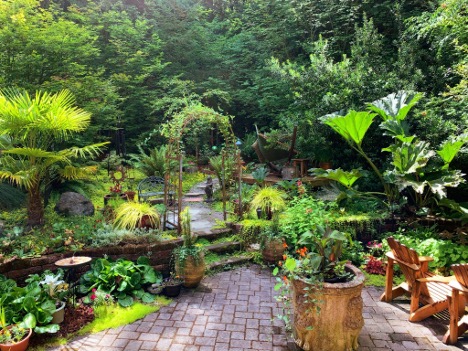
Many homeowners are also moving away from overly synthetic-looking outdoor spaces in favor of more natural materials and softer visual textures. Wood, stone, warm lighting, woven furniture, natural fabrics, and greenery tend to create calmer atmospheres than highly polished or industrial outdoor aesthetics.
Natural materials usually age more comfortably over time as well, which helps outdoor spaces feel more relaxed and lived-in rather than overly staged or formal. This softer approach often makes outdoor areas feel emotionally warmer overall.
The preference for natural design also aligns with broader wellness trends centered around comfort, grounding, and reducing overstimulation inside the home environment.
Lighting Is Becoming More Atmosphere-Focused
Outdoor lighting trends are shifting toward softer and more layered designs rather than bright floodlighting alone. String lights, lanterns, pathway lighting, fire features, and indirect lighting all help create calmer nighttime environments.
People increasingly want outdoor areas that feel emotionally relaxing during evening hours rather than overly exposed or intensely illuminated. Softer lighting naturally encourages slower social interaction and more peaceful nighttime routines.
Lighting also plays a major role in determining whether outdoor spaces feel welcoming after sunset, especially during warmer months when people spend longer periods outside at night.
Outdoor Spaces Are Being Designed for Daily Use
Previously, many outdoor spaces were designed mainly for occasional entertaining or special gatherings. Now, homeowners increasingly want outdoor areas that support everyday routines instead.
This means spaces need to feel comfortable enough for ordinary evenings, quiet mornings, personal downtime, and family routines, not just larger social events. Functional comfort therefore matters much more than dramatic presentation alone.
According to the American Society of Landscape Architects, outdoor living spaces focused on comfort, wellness, and flexible daily use continue growing in popularity as homeowners prioritize environments that support emotional well-being and lifestyle balance.
Privacy Has Become More Important
As outdoor spaces become more connected to relaxation and recovery, homeowners are placing greater importance on privacy as well. Fencing, landscaping, pergolas, greenery, and thoughtful layout planning often help outdoor environments feel safer and more emotionally comfortable.
People generally relax more easily when spaces feel separated from noise, traffic, or neighboring distractions. Privacy therefore plays a major role in whether outdoor areas genuinely feel peaceful long term.
Even smaller design changes that reduce visual exposure or environmental noise can significantly improve how calming a backyard feels overall.
Peaceful Outdoor Spaces Usually Feel Intentional
The outdoor spaces people enjoy most are often not the most elaborate. More commonly, they are environments designed intentionally around comfort, calmness, and emotional ease.
Fire features, softer lighting, natural textures, simpler layouts, and wellness-focused routines all contribute to creating outdoor spaces that support recovery from stressful days. These design choices may appear subtle individually, but together they strongly influence how restorative a home environment feels over time.
As outdoor living continues evolving, the most successful spaces are increasingly the ones helping homeowners slow down, disconnect from constant stimulation, and feel more at peace within their everyday surroundings.