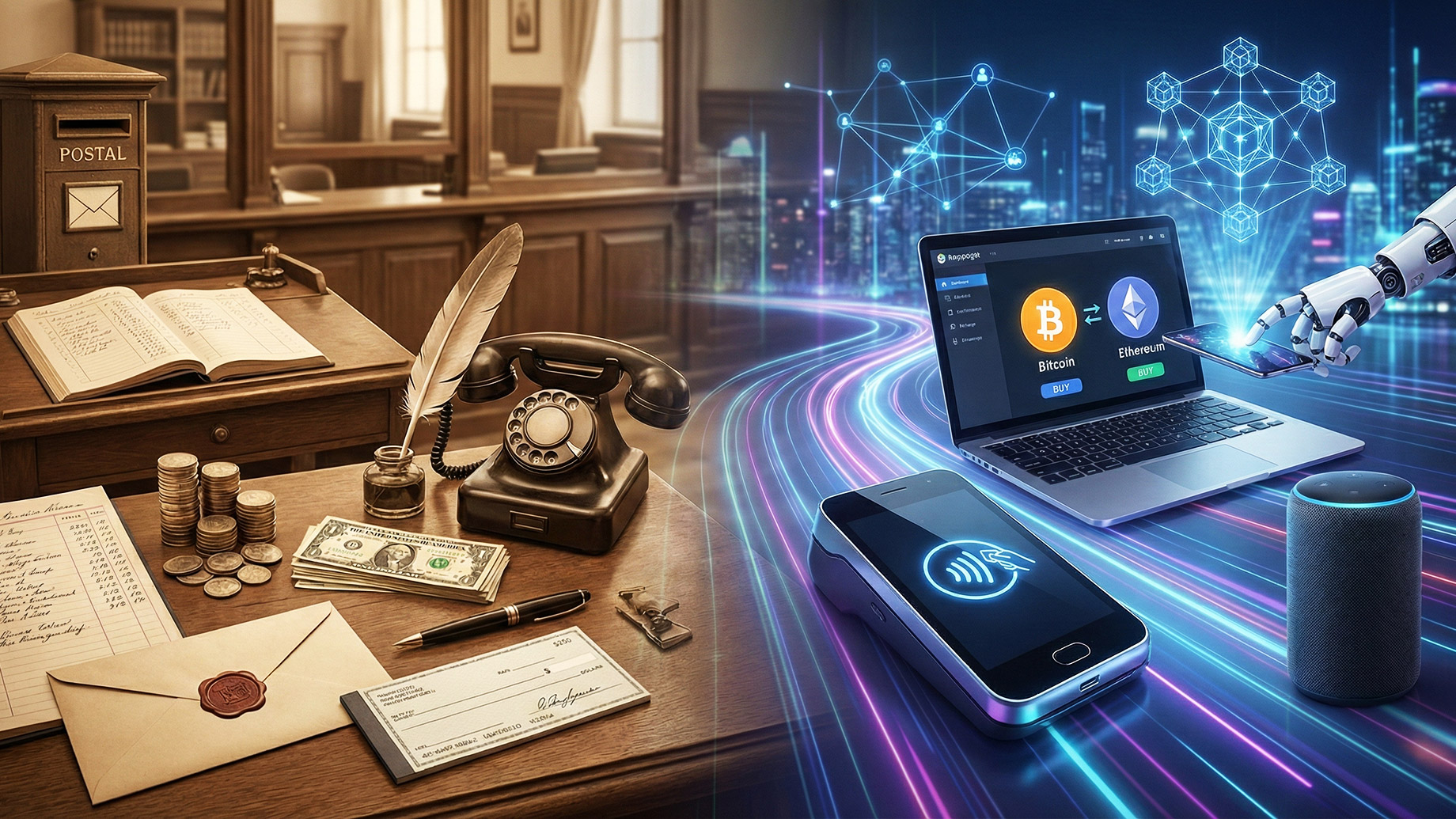
In today’s fast-paced world, the shift towards digital payment trends is becoming increasingly apparent. As consumers embrace technology in their daily lives, the financial landscape is adapting to meet the rising demand for faster, more secure payment methods. This article delves into the current trends in digital payments, contrasts them with traditional methods such as snail mail, and highlights what this means for consumers and businesses alike.
Understanding Digital Payment Trends
Digital payments have surged in popularity as they offer convenience and efficiency. A growing number of consumers prefer making purchases online or through mobile apps rather than traditional methods. Some popular digital payment options include:
- Mobile Wallets: Applications like Apple Pay and Google Pay are becoming commonplace, allowing users to store their credit card information and make purchases with a tap of their smartphones.
- Cryptocurrency: Digital currencies like Bitcoin and Ethereum are gaining traction as alternative payment methods, appealing to tech-savvy consumers looking for decentralized financial solutions.
- Contactless Payments: The rise of NFC technology enables consumers to make purchases by simply tapping their cards or devices on payment terminals.
- Peer-to-Peer Payment Platforms: Apps like Venmo and PayPal allow individuals to transfer money to friends and family quickly.
Why Digital Payments Are Gaining Popularity
The preference for digital payments over traditional methods can be attributed to several factors:
- Speed: Digital transactions are processed almost instantly, contrasting with traditional payment methods, which can take days to clear.
- Convenience: Consumers enjoy the ability to make purchases from anywhere, at any time, without needing to carry cash or visit a bank.
- Enhanced Security: With advancements in encryption and authentication technologies, digital payments can be more secure than carrying cash or using checks.
A Comparison with Traditional Methods: How Long Does Snail Mail Take?
While digital payment methods are surging, traditional methods such as mail still have their place in the transaction cycle. A common question that arises is how long does snail mail take? In the U.S., the average delivery time for first-class mail is typically 1-3 business days, while international mail can take much longer, ranging from a week to several weeks depending on the destination. This significant delay is one reason many consumers opt for digital options instead.
The Integration of Digital Payments and Traditional Mail
Despite the rise of digital payment methods, traditional methods retain their importance in specific contexts. For instance, businesses often send important documents or checks through the mail for higher value transactions. Understanding how both digital and traditional methods can coexist is crucial for a comprehensive approach to payment processing.
The Future of Transactions
As technology continues to evolve, so will methods of payment. Here are some emerging trends to watch in the digital payment space:
- AI and Machine Learning: These technologies will enhance security measures and fraud detection, making digital payments even safer.
- Voice-Activated Payments: As smart speakers become more prevalent, voice-activated transactions may become an everyday method of payment.
- Integration of Blockchain Technology: Blockchain could further streamline transactions while enhancing security and transparency.
Challenges in the Adoption of Digital Payments
Although the convenience of digital payments is compelling, there are several challenges to consider. Some consumers remain wary of adopting new technology due to security concerns, while others may lack access to the required devices or internet connection. Additionally, the digital divide can exacerbate existing inequalities, with some populations left behind as the world becomes increasingly digitalized.
Wrapping Up
The landscape of payment methods is changing rapidly as consumers lean towards digital options that offer convenience, speed, and security. Understanding digital payment trends enables consumers and businesses to thrive in this evolving environment. While traditional methods like snail mail serve specific functions within the payment ecosystem, the growing preference for digitized transactions demonstrates the inevitable shift of how we transact. The integration of both worlds may eventually lead to a more holistic approach to payments, accommodating a diverse array of consumer preferences.
