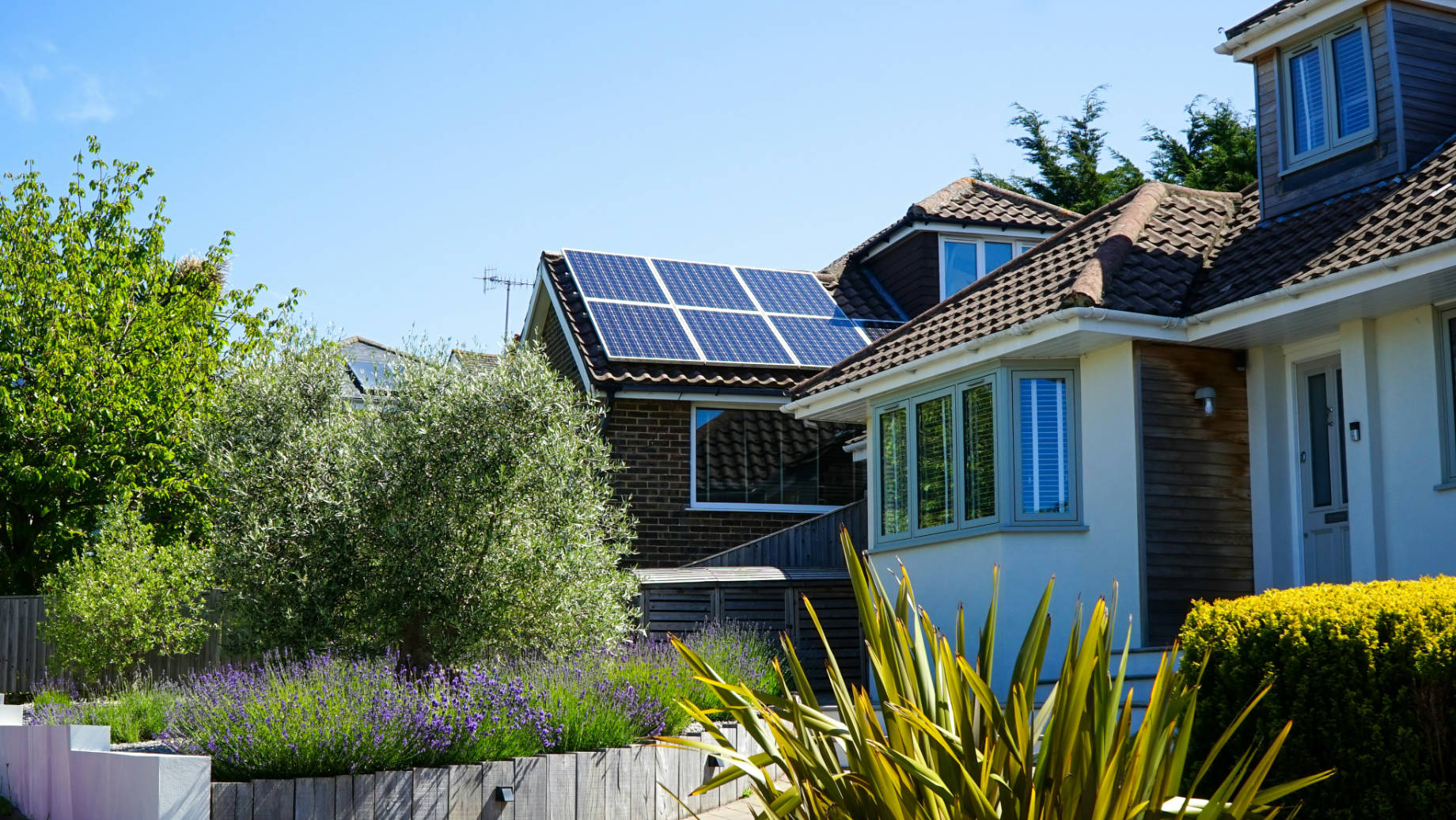

For many years, the biggest selling point of installing solar panels on your roof was the opportunity of feeding excess energy back into the grid, zeroing your utility bill, and potentially earning money back for power you produced.
However, due to rising energy costs and increasing pressure to move away from fossil fuels, these benefits no longer offer the same advantageous returns, causing more and more homeowners to include battery storage facilities in their solar setup investment, which allows them to maximize their energy savings and solar battery rebate. Learn more about key factors to consider when selecting a solar power system below.
1. Energy Storage & Usage
Comprehensive home energy systems that include both solar production and battery storage are designed to hold and store extra energy that is generated during sunny hours to use at a future time, like overnight, during adverse weather, or power outages. These key features offer homeowners the ability to improve the return on their investment by controlling when and how extra energy is used.
In contrast, standard grid-tied systems must immediately use energy as it is being generated. Any excess or unused power is automatically sent back into the grid, potentially earning net metering credits if available. These credits are often worth much less per kilowatt-hour than the price of buying energy from the grid.
2. Environmental Impact
Solar configurations with battery storage are specifically designed to offer increased self-consumption of renewable energy. With the ability to use stored energy during peak demand hours, it reduces your reliance on grid electricity and minimizes transmission losses connected to centralized power distribution. Unfortunately, the production of batteries will always carry some environmental impact, but this is typically offset by the system’s longevity, especially when batteries are properly maintained and recycled at end-of-life.
Although traditional panel-only solar installations generate clean electricity, their environmental benefits largely depend on the energy mix of your specific region. While excess energy sent back to the grid can offset electricity generated using fossil fuels, this benefit can be extremely limited in areas with low-renewable grids.
3. Upfront Costs
Solar power systems that include battery storage carry a fairly high upfront cost, as the added components increase installation workload and complexity. But this investment should be viewed as strategic rather than a wasted expense, as it will pay for itself and generate positive energy returns in the few years following installation, thanks to significant financial savings and earnings.
In comparison, solar power systems without battery storage are cheaper to install, as they require only panels and a standard inverter. For homeowners working with a strict budget, this presents an attractive starting point, but long-term savings are fairly limited because excess energy is automatically sent back to the grid, with little control over timing and rates.
4. Flexibility & Energy Control
Households using solar power systems with included battery storage are typically fitted with an energy management controller that utilizes very advanced hardware and software features, allowing you to have complete control over when, where, and how energy is used in your home. This increased flexibility means you can program your system to store midday surplus for later use, or use time-of-use schedules that charge the battery during off-peak hours and discharge it during high-demand times to save money.
On the other hand, grid-tied solar power installations without battery storage lack the same level of control over when and how energy is used. Any power generated by the panels must be used immediately, meaning you cannot store it for later or shift consumption away from more expensive peak hours.
5. Backup Power
Arguably, one of the biggest advantages of solar power setups with battery storage is the peace of mind that comes from knowing you have reliable power backup during outages and grid failures. The advantage of combined systems is that they can disconnect from the grid to prevent dangerous power back-feed while continuing to operate thanks to solar energy generated and stored. This makes them the ideal option for anyone living in regions with unstable grids or adverse weather systems that regularly affect electrical service.
In comparison, grid-tied solar systems are designed to automatically shut off during power failures, meaning your home will lose power unless you have battery storage or a generator. This crucial built-in safety feature ensures that no back-feeding takes place, protecting utility workers who may be working on broken or damaged lines.
6. Long-Term Return on Investment (ROI)
According to industry reports, the ROI payback period for solar battery storage systems can typically be reduced by 5-8 years through various trading programs and energy-saving strategies. These incentives can also produce advantageous savings and income compounding over the lifespan of your chosen system.
Comparatively, solar-only systems, while more affordable upfront, will miss out on these crucial money-saving opportunities due to the lack of storage and the inability to customize when excess energy is used, which helps to shift reliance away from grid consumption. Instead, these setups rely heavily on feed-in tariffs or net metering credits, which could decline over time, thereby extending the payback period. Furthermore, as grid rates increase, these systems risk diminishing potential returns.
If you are looking for a more comprehensive and intelligent home energy experience, investing in a solar power system with battery storage is a hefty investment you will not regret. The significant long term financial savings, reliable backup, and smart energy management experience will not only offer you invaluable peace of mind but it will also significantly increase the comfort and resilience of your home.
However, not every household has the same needs, budget, or habits. Before making any major purchase or investment, it is vital to fully understand exactly what you need and which option makes the most sense for you.
