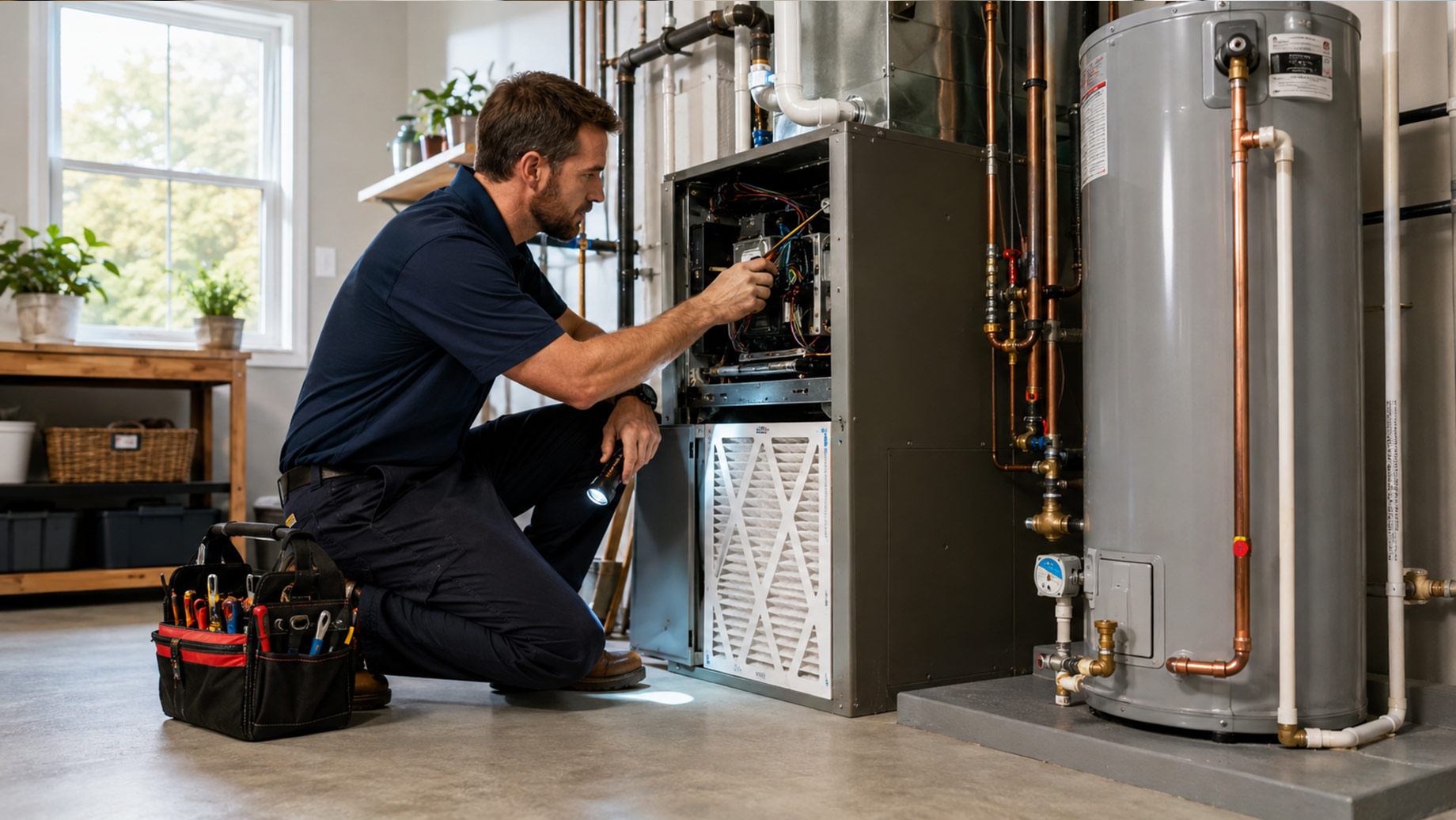
Home systems face real stress each time the season shifts. Temperature drops can affect water lines, and heat can strain air equipment. A well-maintained home handles weather transitions far better than one left without attention.
Homeowners who schedule routine reviews from a local plumbing company before each season protect their comfort and their investment. This article covers the most important maintenance steps for plumbing and HVAC equipment across seasonal weather changes.
Pipe Inspections Prepare Homes for Seasonal Weather Changes
Pipe condition reviews give homeowners an early look at what the colder or warmer months may bring. Seasonal temperature shifts put stress on water lines, especially those located in exterior walls or unheated spaces. Leak detection at the start of each season helps catch small problems before they grow into larger ones. Water line checks confirm that connections remain tight and that no slow drips have developed over time.
Preventive maintenance at the pipe level reduces the chance of unexpected failures during extreme weather. A thorough review at the start of each season sets the stage for reliable water service year-round.
HVAC Filter Care Supports System Performance
A reliable plumbing professional understands that seasonal readiness covers more than water systems. Air filter replacement stands as one of the most accessible maintenance steps a homeowner can take. A clean filter supports airflow through the entire HVAC system and reduces strain on the equipment.
Indoor air quality improves when filters receive timely attention, especially at the start of high-use seasons. Equipment efficiency holds steady when air can move through the system without restriction. Clogged filters force the system to work harder, which shortens the life of key components.
Water Heater Reviews Promote Reliable Operation
Water heater care deserves a dedicated spot on every seasonal maintenance list. Several checks support consistent and efficient water heater performance:
- Temperature checks support efficient operation.
- Tank inspections help identify maintenance needs.
- Sediment reviews support equipment performance.
- Routine service helps maintain system reliability.
Sediment accumulates at the bottom of water heater tanks over time and reduces heat transfer. A temperature setting review confirms the unit operates within a safe and efficient range. Routine service keeps the water heater ready for the demands that colder seasons bring.
Drain System Checks Help Maintain Proper Flow
Drain care protects the entire household plumbing network from slow or stopped water movement. Several drain maintenance steps support reliable function throughout the year:
- Drain inspections help identify early concerns.
- Clean drain paths support proper water flow.
- Fixture checks help maintain drainage performance.
- Routine reviews support household plumbing function.
Blockage prevention starts with consistent attention to all household drains, including those in kitchens, bathrooms, and utility areas. Water movement that slows down in one area can signal a developing problem deeper in the line. A scheduled drain review each season keeps the entire system clear and functional.
How Annual System Reviews From Professionals Help Prepare Homes for Seasonal Shifts
Comprehensive inspections performed by qualified professionals cover areas that standard homeowner checks may miss. A full plumbing evaluation examines supply lines, drain systems, fixtures, and water-using appliances in one thorough visit. HVAC system assessments check refrigerant levels, electrical connections, airflow, and filter condition together. Maintenance plans developed after these reviews give homeowners a clear picture of what needs attention and when.
Consistent seasonal attention keeps plumbing and HVAC systems in dependable condition year after year. Homeowners who schedule annual professional inspections from a plumbing company gain a clear view of their system’s current state before each major weather shift. The most practical step a homeowner can take is to schedule a comprehensive service review each year and maintain a written record of all repairs, filter changes, and equipment checks. These records simplify future maintenance and give service professionals the context they need to provide effective, targeted care.
