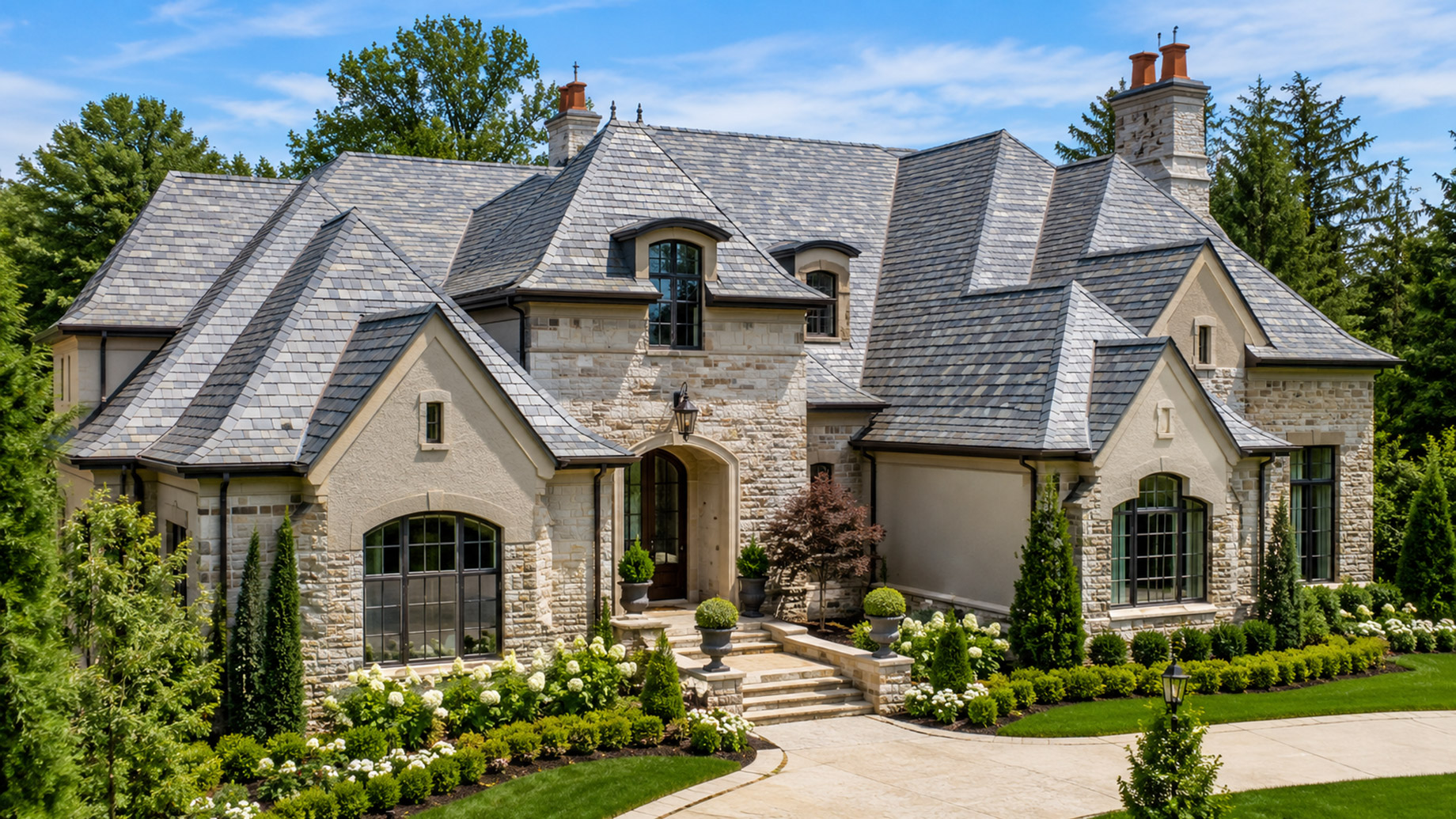
Acquiring premium properties requires looking beyond interior aesthetics. Elite investors recognize that structural integrity dictates long-term market performance. High-end buyers look at the structural health of a building before making substantial financial commitments. This discussion looks at the direct connection between roofing standards and high net worth investment returns.
High-End Properties Demand Premium Structural Standards
Luxurious architectural designs require flawless execution from foundation to peak. High net worth buyers seek perfection in every square foot of an estate. High-grade protective coverings distinguish ordinary properties from exceptional residential assets. Elite buyers walk away from transactions when structural integrity seems questionable.
A solid structural envelope preserves delicate interior custom finishes. Intricate crown molding and custom plaster walls suffer immediate degradation from subtle overhead moisture leaks. Institutional buyers demand pristine structural conditions before closing any premium acquisition. Superior building materials establish long-term stability for high-tier portfolios.
Luxury developments face intense scrutiny from international asset management firms. Properties featuring inferior external finishes fail to command top-tier rental yields. Investing in premium building components ensures consistent capital growth over multiyear hold periods.
Financial Performance Factors for Modern Portfolios
High-quality architectural designs require durable protective systems to maintain structural value. A recent market study indicated that premium protective materials can elevate property sales and increase home value by up to 10%. This percentage translates to hundreds of thousands of dollars when dealing with luxury estates. Savvy buyers calculate long-term replacement costs before submitting binding offers.
Using durable building methods shields property owners from sudden capital depreciation. Investors can monitor specific financial metrics to measure asset protection:
- Direct equity gains from structural upgrades.
- Reduced negotiation friction during property transactions.
- Lower long-term maintenance liabilities.
Capital preservation remains the primary objective for sophisticated family offices. Properties with certified commercial-grade installations experience fewer valuation downward adjustments during market corrections. High-grade asset management balances initial capital deployment with long-term valuation sustainability.
Addressing Asset Depreciation and Weather Hazards
Real estate investors often overlook structural wear until it affects the property valuation. Investing early in comprehensive roof replacement and repair helps preserve the underlying asset from sudden structural failures. Neglecting these maintenance needs leads to water damage that diminishes market competitiveness.
Extreme weather patterns test the limits of premium residential structures. A roofing industry report noted that a system concluding its usable lifespan creates ongoing uncertainty during storms or seasonal temperature shifts. This instability threatens the internal structural components of luxury buildings. Proactive restoration mitigates these unpredictable operational issues.
Unresolved moisture problems compound rapidly inside sealed buildings. Mold remediation costs quickly eclipse the expense of standard structural updates. Savvy risk managers perform annual evaluations to identify early physical degradation.
Long-Term Value Retention Across Premium Materials
High-tier real estate assets utilize advanced construction components to guarantee durability. An international property review explained that premium tile materials can last 50 years or longer, lowering the frequency of major renovations. This extended lifespan justifies the initial capital expenditure. Wealthy buyers prioritize homes built with these permanent solutions.
Standard options might save money upfront, but yield lower returns during liquidation. Premium slats and specialized metals provide better defense against long-term degradation. Investing in high-grade materials protects the investment portfolio from inflation. Exceptional materials insulate real estate assets from volatile material replacement costs.
Material warranties provide additional security for institutional real estate buyers. Transferable lifetime product protection plans add tangible financial value during property dispositions.
Buyer Psychology and Initial Curb Appeal Influence
First impressions dictate the negotiation trajectory for multi-million dollar transactions. A pristine exterior signals meticulous care and premium upkeep throughout the entire estate. Buyers immediately notice structural blemishes upon entering a private driveway. A compromised exterior creates immediate skepticism regarding hidden structural defects.
Polished architectural profiles give sellers immense confidence when listing properties. Pristine modern materials attract premium clients willing to pay list price. Perfect external presentations shorten the time an asset spends active on the market.
The aesthetic condition of an asset sets the tone for subsequent physical tours. Investors who maintain immaculate exteriors find that buyers raise fewer objections regarding internal systems. Visual perfection establishes a baseline of trust between transacting parties.
Negotiation Leverage During Luxury Property Transfers
Home inspections often reveal hidden deficiencies that derail high-value sales. Certified inspectors scrutinize overhead structures to identify potential failures before closing. Unresolved defects give buyers massive leverage to demand steep pricing discounts. Fixing structural issues before listing eliminates this vulnerability.
Sellers who present verified inspection reports command firm pricing. Clear documentation proves that the property demands no immediate capital investments. Clean records expedite the closing process for institutional buyers.
Transaction delays present a major friction point for expanding firms. Resolving structural disputes during underwriting frequently leads to contract termination. Proactive maintenance protects sellers from sudden capital flight during critical closing windows.
Sustainability Trends Shaping Upscale Construction
Modern real estate developments prioritize energy efficiency alongside structural permanence. High-performance overhead systems lower heating costs by reflecting solar radiation. Luxury properties achieve superior environmental ratings when utilizing green building standards. Sustainable choices attract socially conscious real estate syndicates.
Modern builders implement specific ecological designs to optimize high-end assets. These advanced systems provide immediate operational returns and protect surrounding environments:
- Solar-integrated slate systems that generate clean electrical power.
- High reflectivity coatings that decrease localized thermal absorption.
- Recycled composite elements that offer superior wind resistance.
Eco-friendly updates yield significant local tax credits for property developers. Modern municipal codes favor properties that exceed baseline environmental performance criteria.
Operational Efficiency and Building Maintenance Savings
Owning elite real estate involves managing significant ongoing operational expenses. Premium overhead structural designs lower the frequency of urgent emergency callouts. Preventing moisture intrusion protects expensive internal finishes like custom hardwood and imported marble. Lower operational friction maximizes the net operating income of the asset.
Predictable maintenance schedules allow wealth managers to allocate capital efficiently. Sudden structural emergencies drain cash reserves and disrupt portfolio scaling. Premium components establish a predictable operational baseline for large commercial assets.
Minimizing active maintenance interventions increases tenant satisfaction in luxury multi-family developments. High-net-worth tenants demand uninterrupted comfort inside their leased residences. Eliminating recurring maintenance calls protects the long-term reputation of the landlord.
Luxury real estate demands flawless execution from foundation to peak. Elite portfolios remain resilient when properties feature superior defensive materials. Strategic attention to structural health guarantees sustained profitability across changing market conditions. Secure overhead structures preserve architectural legacies for future generations
