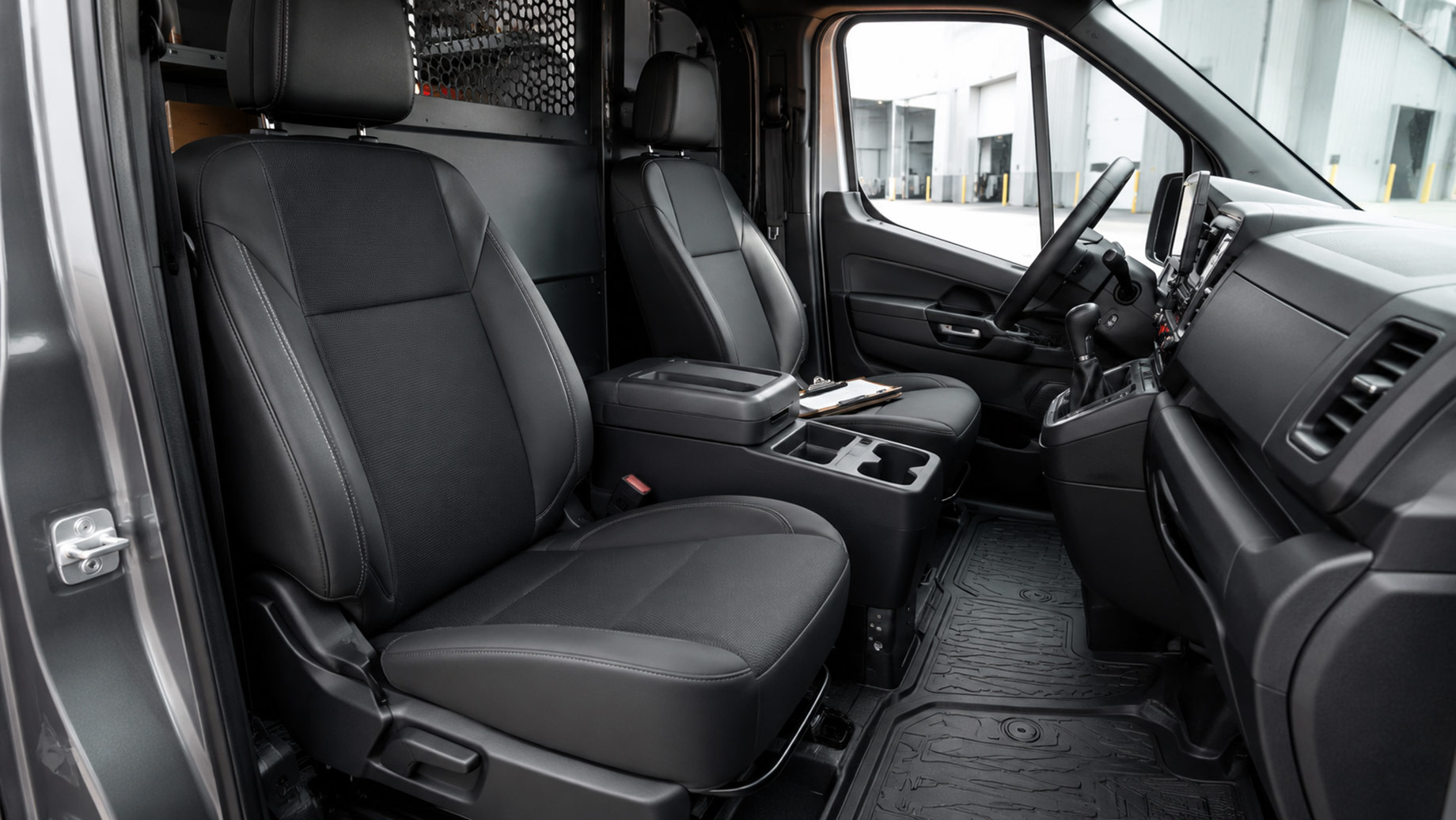
Fleet vehicles face more use than most private cars. Drivers enter and leave repeatedly, equipment rubs against surfaces, and several people may clean the same vehicle in different ways.
Choosing durable upholstery and practical protection can reduce downtime and keep the fleet presentable.
Define the Duty
Record vehicle type, daily hours, number of drivers, climate, cargo, and cleaning frequency.
A taxi, delivery van, service truck, and passenger bus need different interiors.
List high-wear areas such as seat bolsters, driver footwells, door panels, and cargo edges.
Select Upholstery by Test Data
Fleet upholstery should be compared for abrasion, lightfastness, seam strength, cleanability, and applicable flammability requirements.
A range of automotive upholstery fabrics may include woven, embossed, jacquard, headliner, felt, mesh, and carpet materials.
Use the exact test method and product construction. A general material name does not describe performance.
Compare Fabric and Artificial Leather
Fabric can offer breathability and comfort during long driving. Artificial leather may be easier to wipe.
Coated material must tolerate heat, cold, body oils, and approved cleaners. Low-quality surfaces can crack, peel, or become sticky.
Some fleets combine breathable seat centers with more resistant bolsters.
Protect High-Wear Zones
Use replaceable covers, floor liners, and cargo protection where they do not interfere with safety.
Driver mats must fit the footwell and use retention points. Loose mats can obstruct pedals.
Seat covers must remain clear of airbag seams, belts, anchors, controls, and ventilation.
Add Useful Accessories
Commercial drivers may need document storage, tool organization, sun protection, and lumbar support.
Suppliers of car interior accessories may provide organizers, cushions, covers, mats, and sunshades.
Select accessories by task. Secure them so they cannot move during braking.
Standardize the Fleet
Using common covers, mats, and organizers across similar vehicles simplifies purchasing and replacement.
Create a model list by vehicle type. Store installation instructions and spare clips.
Standardization should not force an accessory into a vehicle where it does not fit.
Write a Cleaning Procedure
Approved cleaning prevents damage from harsh chemicals or excess water.
The procedure should state:
- Vacuum before wiping
- Cleaner and dilution
- Contact time
- Tools
- Drying
- Prohibited chemicals
- Response to spills
Test disinfectants on a hidden sample. Repeated use may affect coating and color.
Control Moisture and Odor
Wet mats and covers should be removed and dried. Trapped moisture can create odor and damage carpet or metal.
Clean the source instead of masking it with strong fragrance.
Inspect HVAC filters and cargo areas when odor returns.
Support Driver Comfort
Long driving increases fatigue. Seat condition, posture, temperature, and noise all matter.
When adding cushions, verify pedal reach, steering clearance, belt position, head restraint, and airbag areas.
Ask drivers to trial products before fleet-wide purchase.
Consider Entry and Exit Wear
The outside seat bolster and door sill experience repeated sliding contact. Reinforce or protect these zones without creating a hard edge.
Check grab handles and step condition because poor entry ergonomics increase upholstery wear and driver strain.
Delivery drivers may enter hundreds of times per shift, so a short trial should reflect real cycle count.
Inspect Regularly
Include interior checks in vehicle inspections:
- Loose covers
- Torn seams
- Moving mats
- Broken organizers
- Exposed foam
- Wet carpet
- Damaged belt access
Repair small damage before it spreads.
Plan Replacement
Keep records of fabric code, color, grain, cover model, and installation date.
Replace only the affected component where possible. Modular protection can reduce the need to retrim a complete seat.
Review failure by vehicle and route. Repeated wear may show an ergonomic or loading problem.
Manage Product and Part Approval
Create an approved list for fabrics, cleaners, mats, covers, fasteners, and replacement clips. Record the vehicle models each part fits.
Do not allow unapproved accessories to be added by individual drivers where they could interfere with controls or airbags.
When a supplier changes material construction, confirm that cleaning and durability remain acceptable.
Calculate Lifecycle Cost
Compare purchase, installation, cleaning time, repair, vehicle downtime, and replacement.
A cheaper cover that fails often may cost more than a durable, washable option.
Include driver acceptance. Uncomfortable accessories are often removed and provide no protection.
Conduct a Pilot
Install the proposed materials and accessories in a small group of representative vehicles.
Monitor cleaning, wear, comfort, movement, and complaints for several weeks.
Use the pilot to adjust specifications before a large order.
Train Cleaning and Maintenance Teams
Demonstrate removal and reinstallation of covers and mats. Show where airbag seams, wiring, seat sensors, and belt anchors must remain clear.
Provide a quick defect-report process. Cleaning staff often see loose straps, wet carpet, or torn seams before drivers report them.
Use photographs of correct installation to reduce variation across depots.
Use Feedback from Daily Operations
Drivers, cleaners, and maintenance technicians notice different problems. Ask them which surfaces trap dirt, which accessories loosen, where clothing catches, and which repairs consume the most time. Short monthly feedback is often more useful than waiting for a large annual review.
Translate repeated observations into purchasing rules. For example, specify a darker insert in a stain-prone zone, change a fastener that repeatedly loosens, or add a removable protector near cargo contact. This closes the loop between real fleet use and the next interior specification.
Conclusion
Fleet interiors need materials and accessories selected for heavy use, repeat cleaning, driver safety, and simple replacement.
Define the duty, test products in real vehicles, and standardize where practical. A controlled interior plan can reduce cleaning time, repair cost, and avoidable vehicle downtime.
