How Pest Problems Affect What Buyers Will Pay
Buyers consider more than the visible cost of removing pests. They may also question what is happening behind walls, beneath floors or inside the attic. When the extent of a problem is unclear, they have little basis for estimating the work ahead.
That uncertainty can affect an offer. A buyer might request a price reduction, ask for repairs before closing or seek further inspections before proceeding. Others may decide that a comparable property presents fewer complications.
Consider two homes with similar layouts, finishes and locations. One has an unresolved pest problem with no inspection report. The other has records showing what was found, how it was treated and which repairs were completed. The second gives buyers more information on which to base their decision.
This does not mean that treatment automatically increases a home’s market value. Its role is to address a defect that could otherwise weaken the seller’s position.
Physical Damage Can Matter More Than the Infestation Itself
The presence of pests and the condition of the building are separate questions. Removing an infestation does not repair any damage it has caused.
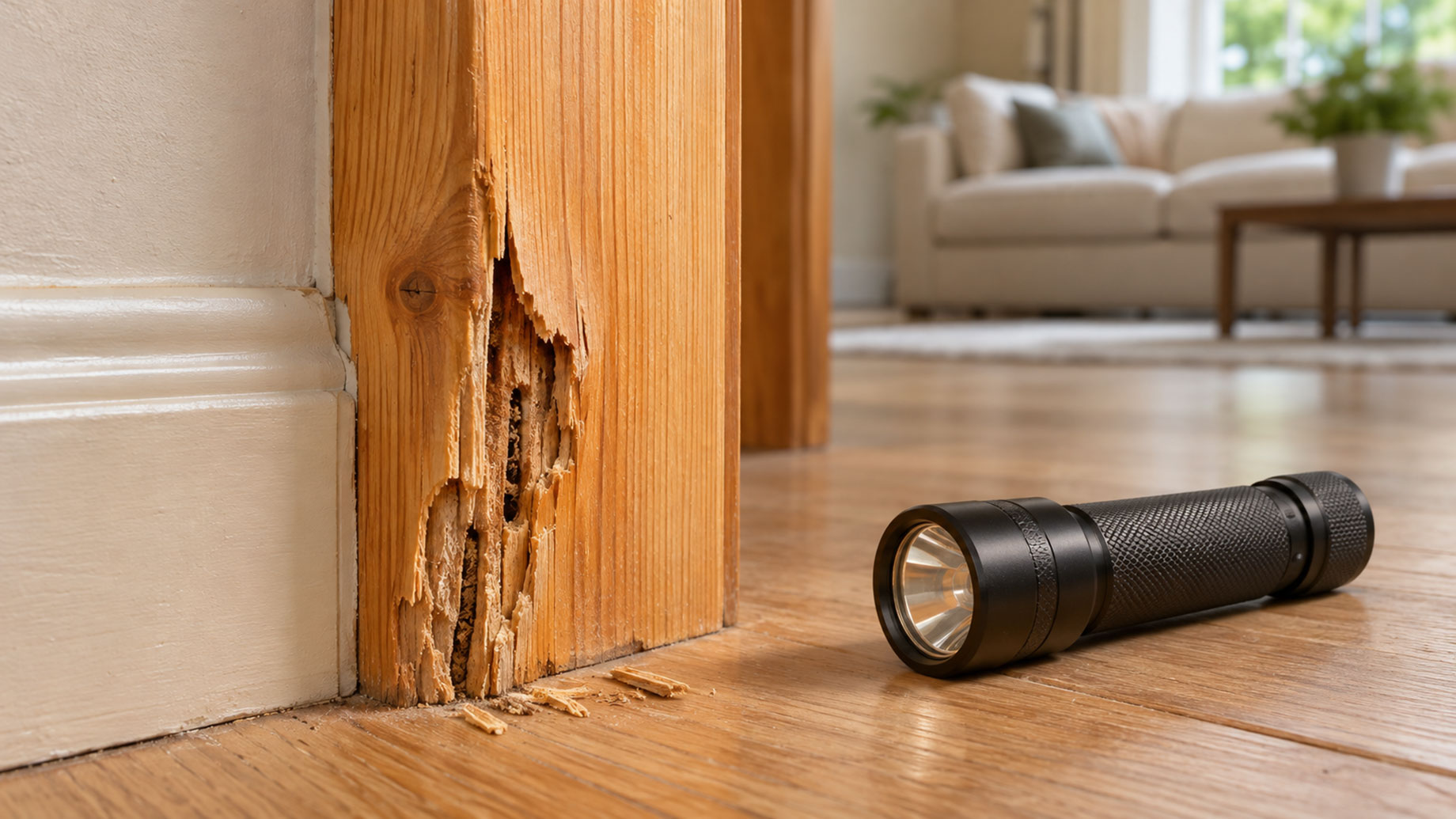
Some problems are limited in scope. Others require specialist assessment and building repairs. Termites, for example, can cause structural damage, which makes investigating suspected activity important before treating it as a cosmetic issue. The US Environmental Protection Agency’s termite guidance explains the importance of identification, prevention and appropriate treatment.
A seller should establish both what is active and what needs repair. A pest control professional can assess the infestation, while an appropriate building specialist may be needed to evaluate damaged materials or structural concerns.
The full scope of work might include accessing a concealed space, repairing affected components and restoring the finishes afterwards. In a home with custom cabinetry or carefully matched trim, access and restoration deserve attention when obtaining estimates.
Written findings are more useful than assumptions. They help separate confirmed damage from areas that still need investigation, allowing buyers and sellers to discuss the actual condition of the property.
Visible Pest Activity Can Undermine Buyer Confidence
A viewing is an opportunity for buyers to imagine living in the home. Visible pest activity can shift their attention from the property’s features to questions about its upkeep.
Droppings in a cupboard, repeated insect activity or unexplained gnaw marks may lead a buyer to look more closely at maintenance elsewhere. These signs do not prove that the entire property has been neglected, but they can raise questions that staging alone cannot answer.
The same applies outside. Damaged screens, gaps around garage doors and poorly maintained storage areas can suggest unfinished maintenance tasks. For a home marketed as ready to move into, unresolved problems can conflict with that presentation.
Cleaning is part of preparing a property, but it should follow proper assessment and remediation. Removing visible evidence without addressing the source leaves the underlying issue unresolved.
A better approach is to investigate concerns before photography and viewings, complete the recommended work and keep records that explain what was done.
Why Timing Matters Before a Home Sale
Discovering a pest problem shortly before closing leaves less time to investigate it, compare estimates and coordinate repairs. Even when the problem is manageable, a tight schedule can make discussions more difficult.
Addressing concerns before listing gives the homeowner time to understand the scope of work. It also allows for follow-up checks where the treatment plan calls for them.
If a buyer raises concerns during an inspection, use written findings and repair estimates to guide the discussion. A request based on a documented problem is easier to assess than a broad allowance for unknown future work.
A treatment invoice should not be treated as proof that every related issue has been resolved. Keep separate records for pest treatment, building repairs and any follow-up assessment. Each answers a different question about the property.
What Homeowners Should Do Before Listing
Start with any known history of pest activity. Review previous service reports and check whether recommended repairs were completed. Recurring activity in the same area deserves investigation before the home goes on the market.
Arrange a professional assessment when there are signs of a current problem. Ask for clear information about the pest identified, affected locations, proposed treatment and any conditions that may allow the problem to return.
Next, take care of any maintenance problems that contribute to the problem. Depending on your results, this may entail repairing a leaking area or closing off the entry point using proper materials. Make sure not to block proper ventilation and drainage.
Lastly, make your documentation. Collect all inspection results, dates of treatments, bills for repairs and further findings. If you have any guarantees, make sure to review them before explaining them to the potential buyer.
These steps cannot guarantee a particular selling price. They can, however, replace unanswered questions with documented facts.
Protect Resale Value through Consistent Maintenance
Pest prevention belongs alongside roof inspections, plumbing repairs and exterior maintenance. Waiting until a sale is imminent can leave the homeowner dealing with several tasks at once.
Check rarely used rooms, storage areas and accessible utility spaces as part of routine upkeep. Investigate recurring signs promptly, and arrange periodic checks for properties that sit empty between visits.
Just because a home had previous issues with pests doesn’t necessarily mean that it’s hard to sell. The important issue here is what type of pest problem was involved and whether the work to solve it was carried out properly. Answering these questions makes it easier for both buyers and sellers to assess the property.
