Second homes and vacation properties offer a welcome escape from everyday routines, but their periods of inactivity can create favorable conditions for pest problems. Unlike primary residences, these properties may sit empty for weeks or months, giving rodents, termites, ants, cockroaches, and other pests time to establish themselves without being noticed. Small issues that would quickly attract attention in an occupied home can remain hidden in a vacation property until they become much more difficult to manage.
The challenge is not simply that pests have fewer people around them. An unoccupied property can also have unnoticed plumbing leaks, food residues, inactive drains, overgrown landscaping, and dark utility spaces that provide shelter, moisture, or food. A practical pest-management strategy therefore needs to account for the periods when nobody is living there. Prevention, routine inspections, and early detection are especially important for protecting a property that is not occupied year-round.
Why Unoccupied Properties Attract Pest Problems
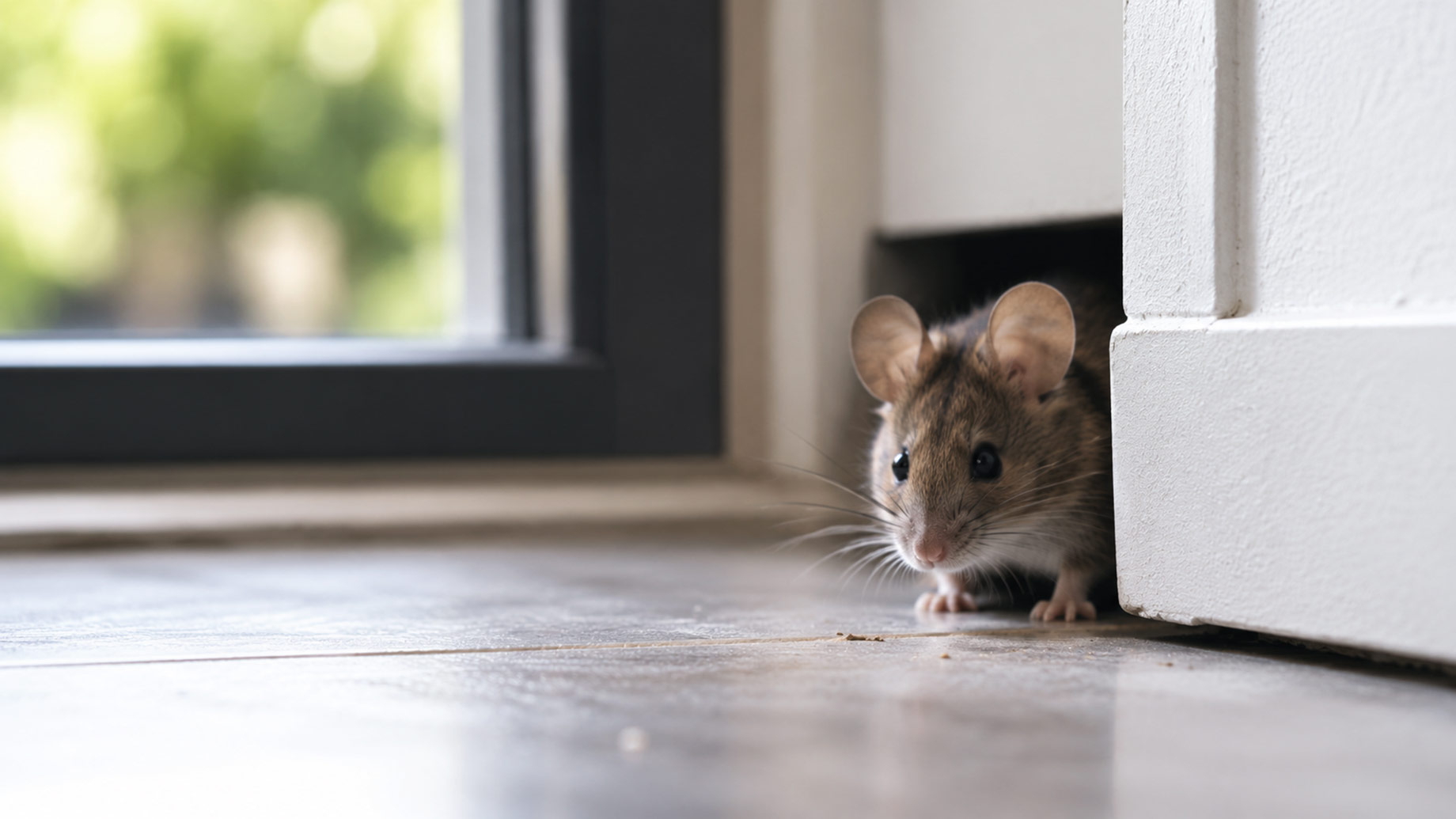
Rodents are particularly capable of exploiting quiet buildings. Mice and rats can enter through surprisingly small openings around doors, vents, utility lines, roofs, and foundations. Once inside, they may nest in attics, wall voids, garages, or storage areas. Because there may be no regular activity to disturb them, signs such as droppings, gnaw marks, nesting material, or odors can go unnoticed for an extended period.
Termites present a different concern because their activity can remain concealed within structural wood or soil around a property. Ants may establish colonies near foundations or inside wall cavities, while cockroaches can take advantage of warm, sheltered areas near kitchens, bathrooms, appliances, and plumbing. Other insects can also become established when seasonal conditions provide suitable moisture and shelter. For homeowners considering Sage Pest Control as part of a recurring maintenance plan, the main objective should be preventing small pest activity from becoming an established infestation during periods of vacancy.
Leaks, Food, and Inactive Plumbing Create Hidden Opportunities
Moisture is one of the most important factors influencing pest activity. A slowly leaking faucet, water heater, pipe, roof, or air-conditioning system may create a damp environment that remains unnoticed because no one is regularly using the property. Even a small plumbing problem can provide enough moisture to make an otherwise unsuitable area more attractive to insects and other pests.
Food is another common issue. Vacation homes are often stocked with pantry items for occasional visits, and some owners may leave open packages, crumbs, pet food, or food waste behind. Rodents and insects can detect accessible food even when the property appears clean. Cardboard packaging can also provide hiding places for certain pests and may be moved into quiet storage areas.
Inactive plumbing deserves attention as well. Drains that are rarely used can dry out, reducing the effectiveness of water barriers designed to prevent sewer gases and potentially allowing unpleasant odors or some pests to enter under certain conditions. Before leaving a property for an extended period, homeowners should address leaks, clean food-contact areas, remove perishables, and make sure plumbing fixtures and drains are appropriately maintained.
Build a Routine Around Arrival and Departure
A vacation property benefits from a consistent inspection routine rather than an occasional reaction to visible pests. A quick walkthrough before settling in can reveal problems that developed while the house was empty. Look for droppings, dead insects, damaged screens, gnaw marks, mud tubes, damaged wood, unusual odors, and gaps around doors or windows.
When preparing to leave, remove anything that could serve as food or nesting material and check areas where moisture may accumulate. A simple routine can include:
- Inspecting kitchens, pantries, garages, attics, and utility rooms for signs of activity.
- Checking under sinks and around water heaters, toilets, appliances, and exposed plumbing for leaks.
- Sealing opened food in durable, airtight containers and removing perishable items.
- Examining doors, window screens, vents, and foundation areas for possible entry points.
- Removing trash and cleaning crumbs or food residue before departure.
- Checking outdoor areas for standing water, excessive vegetation, fallen fruit, or debris near the structure.
These habits do not eliminate every possible pest risk, but they make it much easier to identify developing conditions before they become extensive.
Pay Special Attention to Utility and Storage Spaces
Utility areas are often among the least frequently visited parts of a second home. Basements, crawl spaces, attics, garages, storage closets, mechanical rooms, and spaces around HVAC equipment can provide exactly the combination of darkness, shelter, and limited disturbance that pests prefer.
Periodic monitoring of these areas is therefore valuable. Homeowners or property managers should look for evidence rather than waiting to see live pests. A few droppings, damaged insulation, shed insect skins, termite evidence, or unexplained stains can provide an early warning. Storage practices matter, too. Keeping boxes elevated where practical, reducing unnecessary clutter, and using sealed containers can make these areas easier to inspect and less attractive as hiding places.
For properties that remain vacant for long periods, pest control can be incorporated into a broader preventive approach involving scheduled inspections and monitoring. The emphasis should be on identifying vulnerabilities early rather than relying solely on treatment after an infestation has become obvious.
Landscaping Can Influence What Reaches the House
The area immediately surrounding a vacation home can also affect pest pressure. Dense vegetation touching exterior walls, piles of leaves, firewood stored against the structure, and excessive mulch near foundations can create sheltered pathways for insects and rodents. Overgrown landscaping can also make it harder to see structural problems, damaged screens, or openings near the foundation.
Maintaining reasonable clearance between vegetation and the building improves visibility and reduces potential harborage areas. Gutters should remain clear so water does not accumulate near the foundation, while outdoor containers and other items should not be allowed to collect standing water. Firewood is best stored away from the house and elevated from the ground where appropriate.
These measures are especially useful for seasonal properties because outdoor conditions can change significantly between visits. A landscape that appears manageable in spring may become dense and damp by midsummer, creating new opportunities for pest activity.
Arrange Periodic Checks During Long Vacancies
One of the strongest protections for a second home is simply making sure someone checks it regularly. A trusted caretaker, neighbor, property manager, or pest professional can notice issues that remote monitoring cannot always identify. Periodic visits should include inspection for water damage, roof problems, pest evidence, vegetation growth, and changes around doors, windows, and foundations.
Professional inspections can be particularly useful when a property remains vacant for months. The appropriate schedule depends on the property’s location, construction, age, surrounding environment, previous pest history, and length of vacancy. Monitoring should also be adjusted seasonally because different pests become active under different environmental conditions.
The goal is not to make a vacation property completely risk-free, which is unrealistic. Instead, a layered approach reduces opportunities for pests and shortens the time between the beginning of an infestation and its detection.
End Note
Second homes require a different mindset from continuously occupied residences. The absence of people does not mean the absence of pest risks—in many cases, it gives pests more time to establish themselves unnoticed. Rodents can nest in quiet spaces, termites can remain concealed, ants can develop colonies, and cockroaches can exploit moisture and food residues while a property sits empty.
Regular inspections, careful food storage, plumbing maintenance, utility-space monitoring, sensible landscaping, and scheduled professional checks provide practical layers of protection. By treating pest management as part of routine property maintenance rather than an occasional emergency, homeowners can return to their vacation properties with greater confidence and address small vulnerabilities before they develop into costly or disruptive problems.
