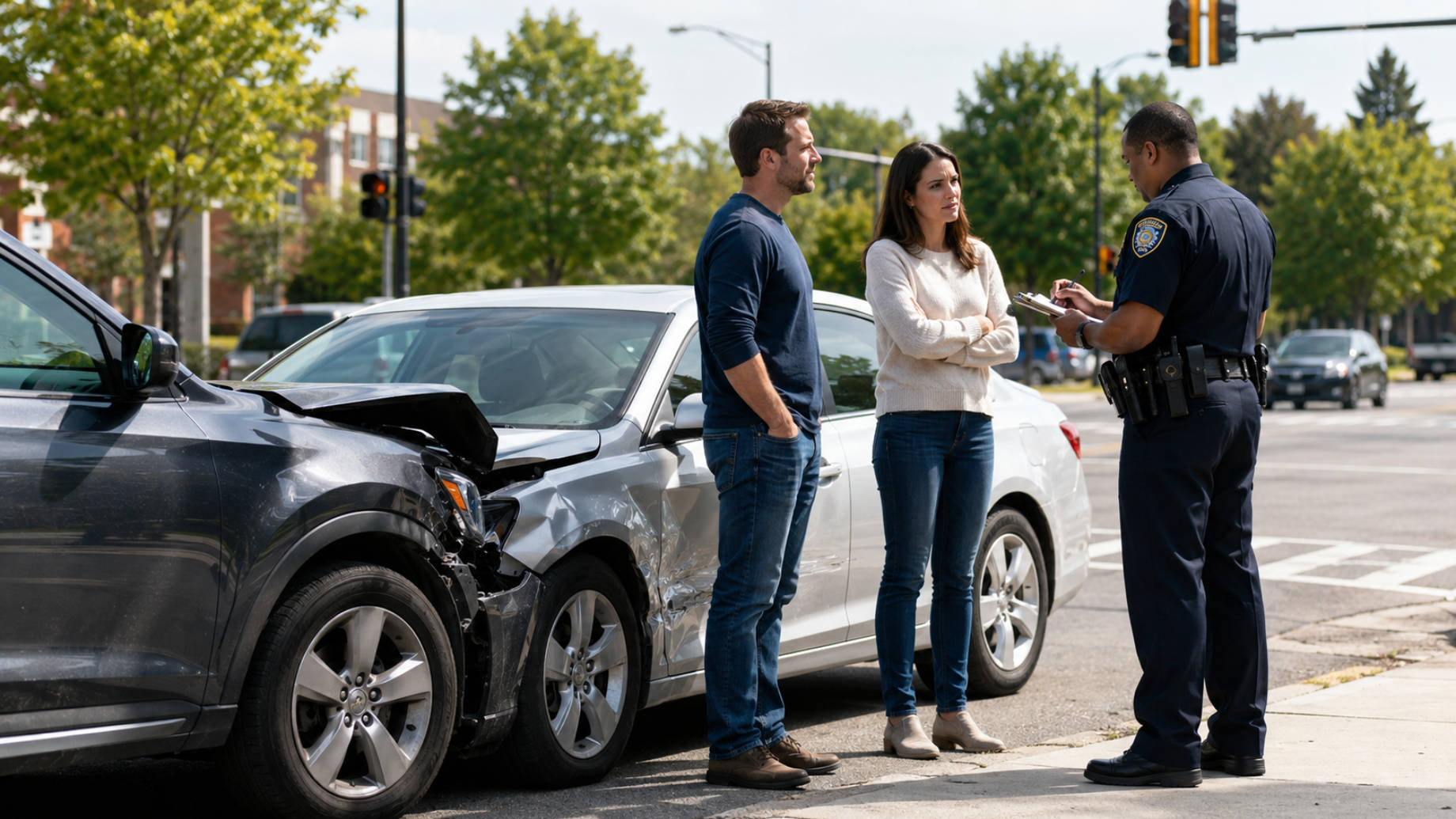
When a traffic incident takes place in North Carolina, refer to North Carolina Car Accident Fault Laws.
The state’s vehicle accident blame laws dictate who is responsible. According to North Carolina’s stringent contributory negligence law, a driver may not be able to get compensation if they are even partially at fault. Because of this, determining who is at responsibility in security claims and personal injury situations is crucial. Liability is established by security companies, police reports, and proof like pictures or witness accounts. Drivers can safeguard their rights following an accident by being aware of these laws. Due to North Carolina’s stringent standards, wounded individuals frequently seek legal counsel in order to construct compelling claims and prevent being denied compensation because of minor shared culpability issues. In many circumstances, legal counsel is crucial. Here are some great ideas about the topic.
The allocation of blame following a traffic collision in North Carolina is governed by the state’s vehicle accident fault statutes. North Carolina has one of the harshest contributory negligence laws in the nation. According to this regulation, a driver may not be able to get compensation for damages or injuries if they are determined to be even somewhat at fault for the collision. Liability is assessed using witness testimony, police reports, security companies, and other types of evidence. Drivers must comprehend how fault is demonstrated due to these stringent regulations. In order to safeguard their rights and guarantee that their claims are fairly assessed, many accident victims in North Carolina seek legal counsel. See some examples below about the topic.
Rear-End Collision with Shared Fault Arguments
Even a rear-end collision may not always result in compensation under North Carolina’s auto accident culpability laws. For instance, the security company can contend that the front car was a factor in the collision if the driver abruptly stopped without warning or had broken brake lights. Contributory negligence laws apply in North Carolina, thus even a tiny percentage of blame can exclude recovery. To establish culpability, security adjusters frequently examine witness accounts, skid marks, and traffic camera film. The injured driver’s claim may be completely rejected if they are judged to be somewhat at fault. Because of this stringent regulation, gathering evidence is crucial in rear-end collision instances where there is a dispute about who is at fault.
Intersection Accidents with Conflicting Testimonies
Due to conflicting driver claims, North Carolina vehicle accident fault laws frequently grow complicated in intersection incidents. For example, one driver might assert that they had the right-of-way while the other claims they had a green light. security companies may find it difficult to establish liability in the absence of unambiguous traffic camera footage or independent witnesses. One motorist may completely forfeit their right to compensation under contributory negligence laws if they are judged to be even marginally at fault. This frequently results in claims being rejected or drawn-out inquiries. Although they are important, police reports are not always conclusive. Strong evidence, such as third-party testimony or video footage, is therefore crucial to equitably settling culpability disputes.
Pedestrian Accident Liability Disputes
Contributory negligence regulations in North Carolina frequently require stringent assessments of fault in pedestrian accidents. For instance, a pedestrian may be held partially accountable for an accident if they ignore traffic signals or cross outside of a marked crosswalk. If a pedestrian is found to be at fault, their conduct may prevent them from getting compensation, even if the motorist was speeding. To establish liability, security firms closely examine witness statements, road conditions, and surveillance film. In certain situations, if a pedestrian unexpectedly entered the road, drivers might also be cleared. Due to these stringent requirements, claims for pedestrian accidents in North Carolina are heavily reliant on precise evidence demonstrating unambiguous culpability without shared guilt.
Weather-Related Accidents and Shared Responsibility
According to North Carolina law, weather conditions like persistent rain or fog can make determining who is at fault in an automobile collision more difficult. Depending on the state of the road, drivers are encouraged to modify their pace and driving style. For instance, a driver may be deemed partially at fault if they were speeding or following too closely when they lost control on a wet road. Even a little amount of fault can bar reimbursement under contributory negligence laws. Security companies frequently look at tire conditions, driving habits at the time of the collision, and weather data. Careful driving is crucial in all circumstances because drivers who drive carelessly in inclement weather risk having their claims rejected, even if the accident was largely caused by outside factors.
Security Investigation and Fault Disputes
Under North Carolina’s auto accident culpability regulations, security investigations are a significant factor in determining the outcome. For instance, security companies may carry out thorough inspections, including vehicle damage assessments, phone records, and accident reconstruction studies, when both drivers give conflicting accounts of what happened. Contributory negligence regulations may result in the claim being rejected if the insurer determines that the claimant had even a minor role in the accident. Conflicts between policyholders and insurers are frequently caused by this stringent criterion. In certain situations, both parties may place the blame on one another, which would prevent any compensation from being granted. Because of this, it is frequently essential to have solid proof and legal counsel in order to contest security rulings and establish the other party’s whole obligation.
Because of the contributory negligence rule, North Carolina has some of the strongest auto accident fault regulations in the country. Determining responsibility is crucial in every situation because even a tiny amount of fault might prohibit an injured driver or pedestrian from receiving compensation. Conflicting testimony, insufficient evidence, or ambiguous road conditions are common causes of disagreements, as demonstrated by typical accident scenarios. Before approving or rejecting claims, security firms thoroughly examine every detail. Accident victims in North Carolina must carefully compile solid evidence and comprehend how liability is assessed due to this stringent legal threshold. Getting legal advice can significantly increase the likelihood of defending rights and preventing unjust compensation denials following an accident. Click here to know more info about the topic.
