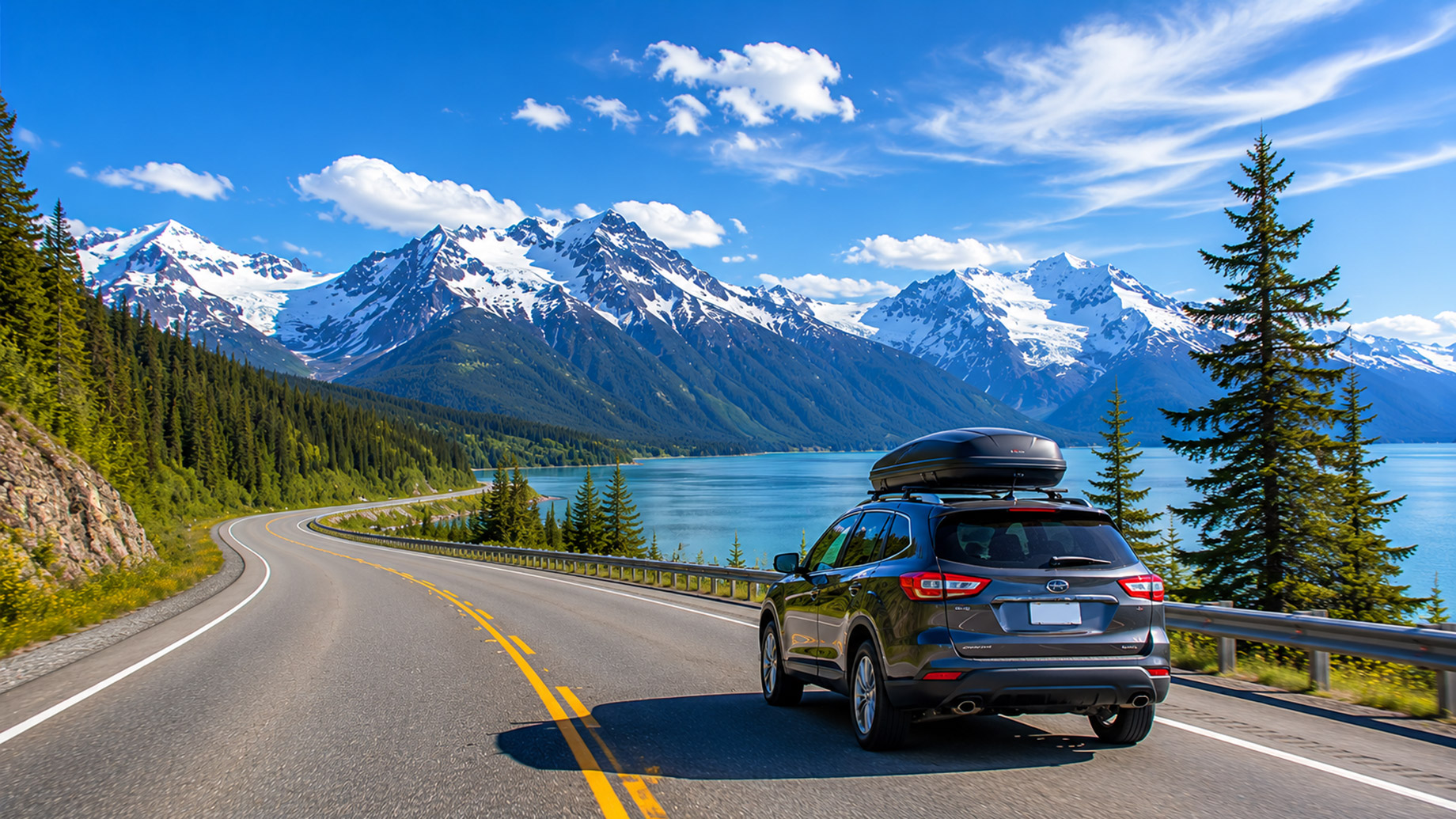
Moving to Alaska is unlike relocating anywhere else in the United States. Whether you’re heading north for a new job, military assignment, retirement, or a change of lifestyle, getting your vehicle there requires more planning than a typical interstate move.
Many people assume they have only two choices: drive the entire distance or put the car on a ship. In reality, there are several transport options, each with different costs, timelines, and advantages. People researching providers such as Navi often compare these options early because your vehicle transportation plan can influence your moving budget, travel schedule, and even your arrival date.
This guide explains the most common ways to transport a vehicle to Alaska in 2026, what each option costs, and how to decide which one is right for your move.
Should You Drive or Ship?
The first decision is whether you should drive your vehicle to Alaska or have it professionally transported.
Driving can be an unforgettable experience, but it is not the best choice for everyone.
Driving may make sense if:
- You enjoy long road trips.
- You have plenty of time.
- Your vehicle is well-maintained.
- You want to visit destinations along the Alaska Highway.
- You are comfortable driving through Canada.
Shipping is often the better option if:
- You’re relocating for work with a fixed start date.
- You’re completing a military PCS move.
- You’re moving with children or pets.
- You own multiple vehicles.
- You want to avoid thousands of additional miles.
- You own a luxury, collector, or newer vehicle.
- You simply want a less stressful relocation.
Many movers discover that once they calculate hotels, fuel, meals, maintenance, tire wear, and several days away from work, shipping is more competitive than they expected.
Option 1: Door-to-Port Shipping
This is one of the most popular choices.
A transport carrier collects your vehicle from your home—or as close as a large truck can safely reach—and delivers it to the departure port.
From there, the vehicle is loaded onto an ocean vessel bound for Alaska.
This option works well for people who:
- Live far from a departure port.
- Prefer not to drive long distances.
- Want to simplify the moving process.
Although this service costs more than delivering the vehicle to the port yourself, it can save significant time and effort.
Option 2: Drive to the Departure Port
If you live near a major West Coast shipping port, driving the vehicle yourself can reduce costs.
Many Alaska-bound shipments depart from ports in the Pacific Northwest.
Driving to the port may be a practical solution if:
- You already live in Washington or Oregon.
- You are comfortable making the drive.
- Your schedule is flexible.
- You want to reduce domestic transport expenses.
Remember that you’ll still need to arrange transportation home or to the airport after dropping off the vehicle.
Option 3: Combination Truck and Ocean Transport
Most long-distance Alaska shipments actually involve two transportation methods.
The vehicle is:
- Picked up by truck.
- Delivered to a shipping port.
- Loaded onto an ocean vessel.
- Transported to Alaska.
- Collected at the destination port or delivered locally.
This combination is the most common option for customers relocating from the Midwest, South, or East Coast.
Option 4: Drive the Alaska Highway
Driving remains a popular option for adventurous movers.
However, it requires careful planning.
The journey typically includes:
- International border crossings.
- Long stretches with limited services.
- Fuel planning.
- Hotel stays.
- Variable weather.
- Wildlife encounters.
- Additional vehicle maintenance.
The Alaska Highway is an incredible drive, but it is not simply another interstate road trip.
Before choosing this option, calculate the true cost rather than focusing only on fuel.
What Does Vehicle Shipping to Alaska Cost?
Pricing depends on several factors, including:
- Pickup location.
- Destination.
- Vehicle size.
- Vehicle condition.
- Time of year.
- Carrier availability.
Typical planning ranges for a standard sedan include:
- Seattle to Anchorage: Approximately $1,500–$2,300.
- California to Anchorage: Approximately $2,000–$3,000.
- Texas to Anchorage: Approximately $2,500–$3,700.
- Florida to Anchorage: Approximately $3,000–$4,500.
- New York to Anchorage: Approximately $3,000–$4,800.
These are planning estimates only. Larger SUVs, heavy electric vehicles, pickup trucks, and inoperable vehicles generally cost more.
How Long Does Shipping Take?
Unlike standard interstate shipping, Alaska transport combines multiple transportation stages.
A typical shipment includes:
- Booking and carrier assignment.
- Pickup scheduling.
- Truck transport to the port.
- Port processing.
- Ocean transit.
- Destination handling.
- Final delivery or pickup.
Most customers should expect approximately two to six weeks from pickup to delivery.
Weather, vessel schedules, port congestion, and seasonal demand can all affect timing.
Avoid planning around an exact delivery date.
Open vs. Enclosed Transport
Most Alaska shipments use open transport.
Open carriers are suitable for:
- Family vehicles.
- SUVs.
- Pickup trucks.
- Sedans.
- Everyday transportation.
Enclosed transport is usually reserved for:
- Luxury vehicles.
- Collector cars.
- Classic automobiles.
- Exotic cars.
- Low-clearance performance vehicles.
Enclosed transport generally costs more but provides additional protection during the trucking portion of the journey.
Prepare Your Vehicle
Before pickup:
- Wash the vehicle.
- Photograph every side.
- Remove personal belongings.
- Leave approximately one-quarter tank of fuel.
- Remove toll devices.
- Check tire pressure.
- Charge the battery.
- Report mechanical issues.
Most carriers require operable vehicles unless special arrangements have been made.
Alaska Weather Matters
One factor many first-time movers overlook is weather.
Winter conditions can affect:
- Vessel schedules.
- Highway conditions.
- Port operations.
- Delivery timing.
Even during summer, weather can change quickly.
Build flexibility into your moving schedule instead of expecting exact delivery dates.
Should You Ship More Than One Vehicle?
Many families moving to Alaska own two or more vehicles.
Shipping multiple vehicles can be worthwhile if:
- Both vehicles are relatively new.
- Replacing them in Alaska would be expensive.
- You need two vehicles after arrival.
- Driving multiple vehicles separately is impractical.
Before making a decision, compare shipping costs with the cost of purchasing another vehicle after moving.
Common Mistakes to Avoid
Many Alaska movers make avoidable mistakes.
These include:
- Waiting until the last minute.
- Underestimating transit times.
- Comparing only ocean shipping prices.
- Forgetting domestic transport costs.
- Leaving valuables inside the vehicle.
- Planning flights around exact delivery dates.
- Choosing the lowest quote without understanding what is included.
Proper planning eliminates most of these problems.
Final Thoughts
Moving to Alaska requires more logistics than a typical interstate relocation, and your vehicle transportation plan should be one of the first items on your checklist. Whether you decide to drive the Alaska Highway, transport your vehicle by truck and ship, or use a combination of services, understanding the costs, timelines, and preparation involved will help you avoid surprises.
Book early, compare complete quotes instead of headline prices, prepare your vehicle carefully, and allow extra time for weather and port schedules. With realistic expectations and a solid plan, getting your car to Alaska can be a smooth part of your relocation rather than a stressful last-minute challenge.
