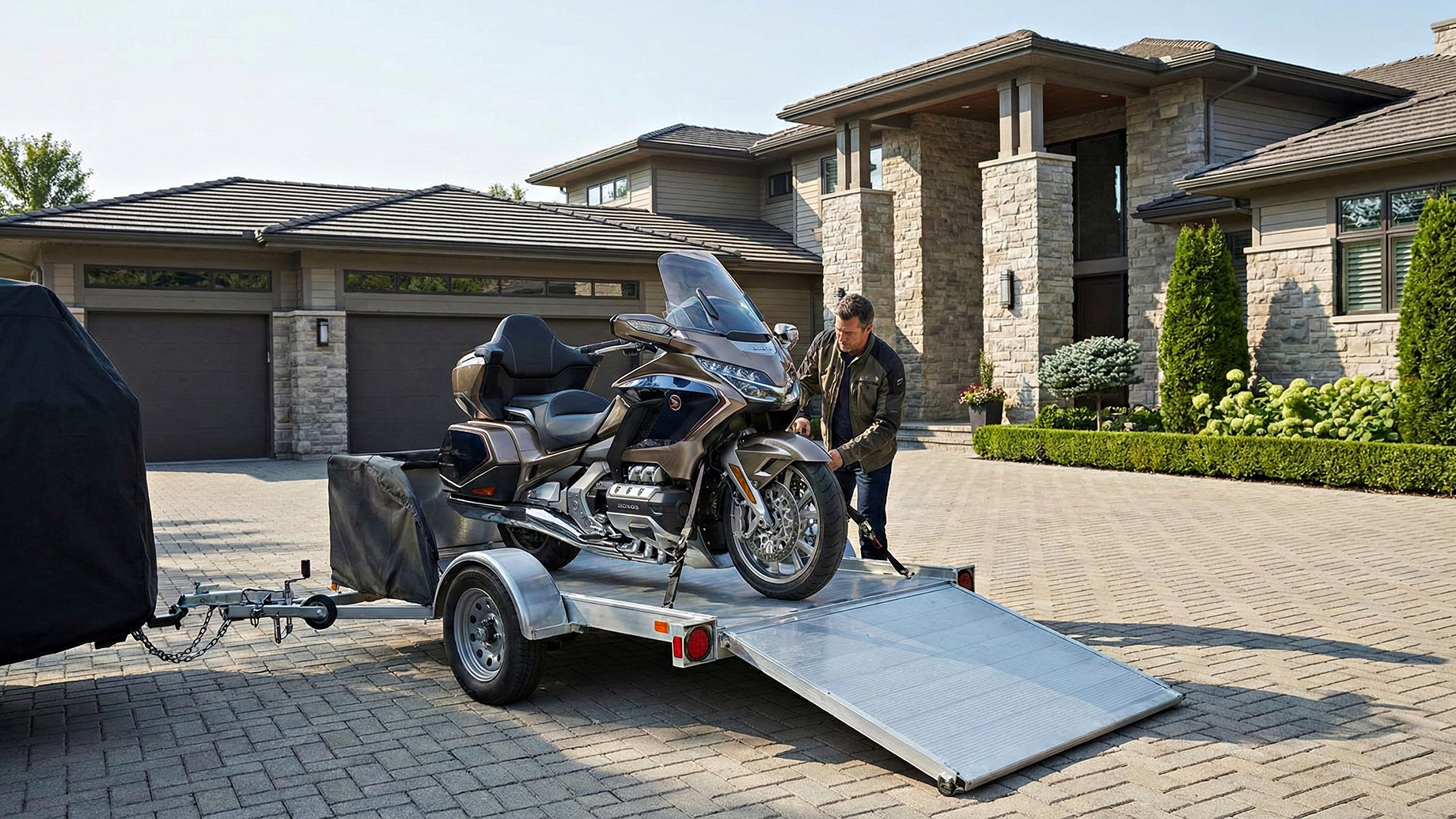
Two-wheeler shipping might sound straightforward, but making sure your bike gets from point A to point B without any issues takes some careful planning. Whether you are moving to a new place, buying a bike from far away, or going to a bike event, transporting your motorcycle calls for clear steps and attention to detail. This guide breaks down what you need to know about motorcycle shipping to move your bike confidently.
1. Key Insights into Motorcycle Shipping
At first, shipping your motorcycle may seem as simple as loading it onto a truck and waiting for it to arrive. But there are details that make a big difference. You’ll need to choose the right carrier depending on how much protection you want and what your budget looks like. There are open trailers where your bike rides in the open air, cheaper but less protected. Then there are enclosed carriers that cost more but shield your motorcycle from weather and road debris. Knowing what fits your priorities helps you avoid surprises.
2. Getting Your Motorcycle Ready
Before the bike starts its trip, prepare it well to avoid any damage. Clean your motorcycle so you can see current scratches or dents, take pictures of every side. These pictures help prove what condition your bike was in before transport. You should drain the fuel tank to about a quarter full to keep the weight down and reduce fire risks without running dry. Disconnecting the battery keeps everything safe and prevents accidental starts. Also, check your tires to make sure they’re properly inflated; soft tires tend to get flat spots during transport.
3. What to Expect During Motorcycle Pickup and Delivery
When the transport company arrives, pay close attention. Watch how your bike is loaded and strapped down. The motorcycle pickup and delivery steps usually include securing the bike with soft straps that attach to the frame, not the handlebars or suspension parts, which could get damaged. Once the bike reaches its destination, do a careful inspection. Compare it to the photos you took before shipping so you can spot any damage. Stay in touch with the driver and the company during transit to get updates or help if anything unexpected happens. You’ll sign a document at both pickup and delivery confirming the bike’s condition.
4. Handling Insurance and Paperwork
Insurance and paperwork often get overlooked, but they are very important. Make sure your transport company offers insurance that covers your bike during transit. Ask exactly what is covered and whether you need to get extra insurance, especially if your bike has a high value. Read the contract carefully. Check for details about who is responsible if damage happens, cancellation rules, and the estimated delivery timeline. Knowing this keeps you protected and avoids confusion.
5. Tips to Avoid Common Mistakes
Shipping a motorcycle goes more smoothly when you avoid these usual slip-ups. Don’t leave personal items on the bike; they can get lost or broken. Take off loose parts like mirrors, bags, or antennas to prevent damage. Book your shipment early, especially in busy months, so you don’t get stuck or pay too much. Clear communication with the transport company about where and when your bike will be picked up and delivered helps everything run on schedule.
Shipping your motorcycle can feel stressful, but it doesn’t have to be. With the right preparation, good communication, and careful checks at every step, your bike will arrive safely. Follow this simple plan and turn the process into a hassle-free move. Your motorcycle deserves the best care while traveling. Treat it right and enjoy the ride when it arrives.
Need someone who cares as much about your bike as you do? Call High End Transport at (305) 816-2255 today for an easy ride from start to finish.
FAQs
1. When is the most convenient time to send my motorcycle?
Aim to book about 2 or 3 weeks before you need the bike moved. This helps you avoid last-minute price hikes and limited space during busy periods.
2. How do I handle damage claims if my motorcycle arrives damaged?
Inspect your bike right when it arrives and compare it to your pre-shipping photos. If you find damage, notify the driver immediately, and use the signed Bill of Lading to file an insurance claim with the shipping company.
