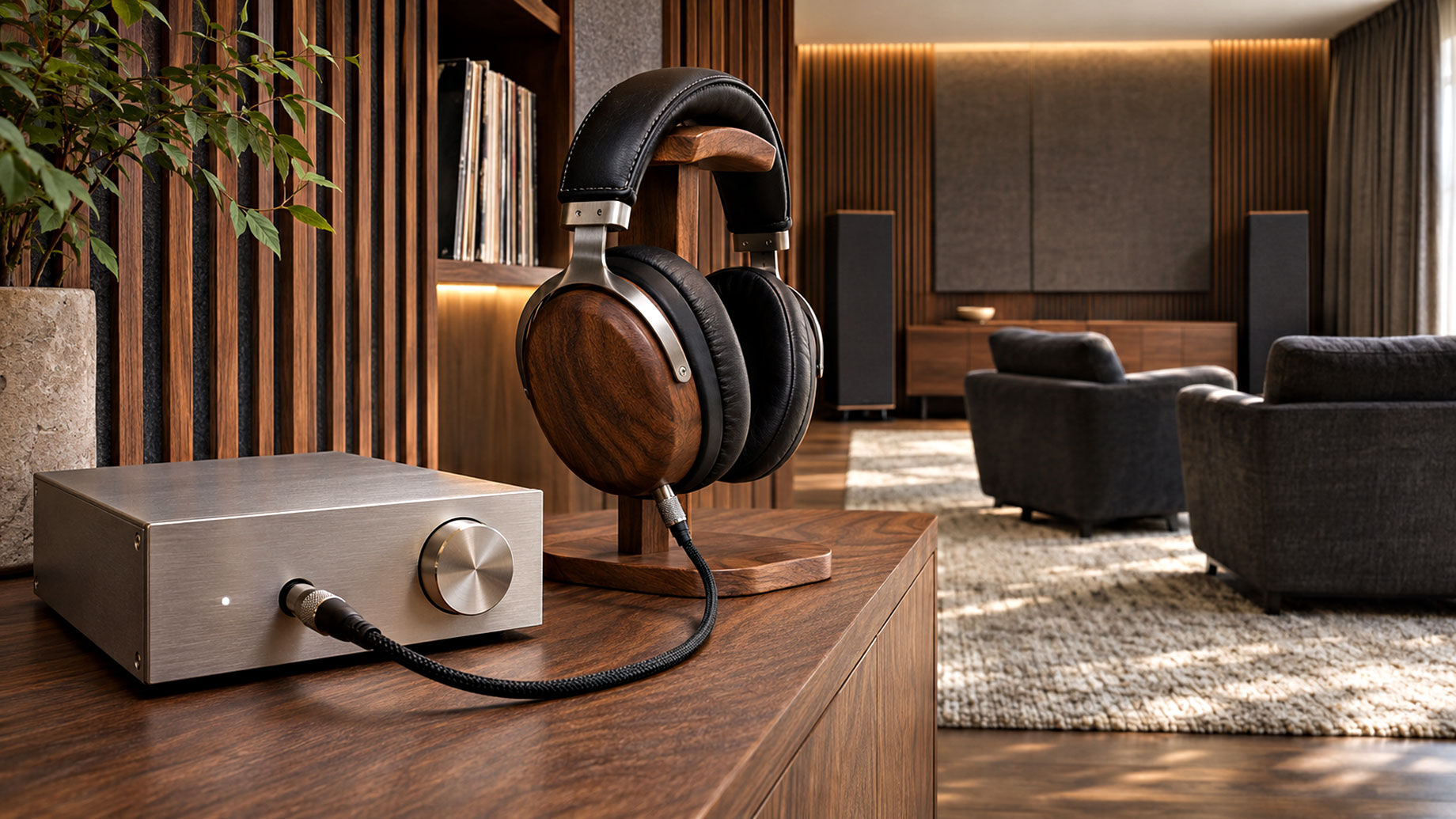
Luxury living is about more than impressive architecture, expensive furnishings, and beautiful finishes. It is also about creating spaces that reflect personal interests, encourage relaxation, and enhance everyday experiences. For music enthusiasts, a private music room offers an opportunity to combine sophisticated interior design with exceptional sound quality.
Whether designed as a dedicated listening lounge, an intimate entertainment space, or a personal retreat, a well-planned music room can become one of the most distinctive features of a luxury residence. Achieving the right balance between aesthetics, acoustics, and technology is essential to creating an environment where music can be enjoyed to its fullest.
Start With the Right Location
The first step in designing a private music room is choosing an appropriate location within the home. A separate room, converted study, or underutilized living area can provide the necessary privacy and separation from everyday household activity. Ideally, the space should be positioned away from noisy areas such as kitchens, garages, and busy family rooms.
Room dimensions also influence the listening experience. Large, open spaces can create opportunities for impressive audio installations, while smaller rooms may provide a more intimate atmosphere. Before committing to a layout, consider the room’s shape, ceiling height, windows, and existing construction, as these factors can affect sound distribution.
Make Acoustics a Design Priority
Beautiful interiors are important, but acoustics determine how effectively a music room performs. Hard surfaces such as glass, marble, and polished concrete can reflect sound waves, potentially creating echoes and unwanted resonance. Thoughtful acoustic treatment helps control these reflections and produces a more balanced listening environment.
Acoustic panels, upholstered furnishings, heavy curtains, and carefully positioned rugs can all contribute to sound management. Specialized wall treatments and bass traps may also be useful, particularly in rooms designed for high-performance audio systems. These features can be incorporated into the overall interior scheme rather than treated as purely technical additions.
Consider professional acoustic consultation for larger or more ambitious installations. An expert can assess the room’s dimensions, identify potential acoustic problems, and recommend solutions that complement the architecture. This approach helps ensure that the finished space delivers both visual appeal and reliable sound performance.
Choose Furniture That Complements the Experience
Furniture should support comfortable listening without compromising the room’s acoustic performance. Deep armchairs, supportive lounge seating, and well-designed sofas can create an inviting atmosphere for extended listening sessions. The arrangement should also allow occupants to enjoy the music from the intended listening position.
For a dedicated stereo room, seating placement deserves particular attention. Speakers and listening positions should be arranged to create an effective stereo image, with enough space for sound to develop naturally. A symmetrical layout can help achieve consistent results, although the ideal arrangement depends on the room and equipment.
Materials and finishes should reflect the home’s broader design language. Natural wood, leather, textured fabrics, and understated metallic details can introduce warmth and sophistication. Rather than filling the room with decorative objects, select a few meaningful pieces that contribute to its character.
Invest in High-Quality Audio Equipment
The audio system is the centerpiece of any private music room. High-quality speakers, amplifiers, headphones, and digital audio converters can significantly affect how music is reproduced. Choosing equipment should begin with the listener’s preferences, the room’s dimensions, and the types of music they enjoy.
Digital-to-analog converters, commonly known as DACs, are particularly relevant for listeners who stream music or maintain extensive digital libraries. These devices convert digital audio signals into analog signals that can be amplified and played through speakers or headphones. A quality DAC can be an important component in a carefully selected audio system.
Specialist retailers such as Moon Audio offer digital audio equipment for enthusiasts interested in refining their listening setups. Exploring different components and understanding how they work together can help homeowners build systems suited to their expectations.
It is also worth considering how the equipment will be displayed and stored. Custom cabinetry, ventilated equipment racks, and discreet cable management can keep the room organized while maintaining a polished appearance. Proper ventilation is especially important because audio components can generate heat during extended use.
Integrate Technology Without Losing the Atmosphere
Modern luxury homes often incorporate sophisticated automation systems, and a private music room can benefit from the same approach. Smart controls can simplify the management of lighting, audio sources, volume, and other entertainment features. With a centralized system, homeowners can adjust the environment without navigating multiple remotes or complicated interfaces.
Lighting deserves particular attention because it influences the room’s mood. Dimmable ceiling lights, concealed LED strips, and carefully positioned accent lighting can create different atmospheres depending on the occasion. Warm lighting often suits relaxed listening, while brighter settings can accommodate reading, socializing, or maintaining the room.
Technology should remain intuitive rather than overwhelming. Wireless connectivity, streaming platforms, and integrated control systems can provide convenience, but the room should still feel like a comfortable personal retreat. Concealing unnecessary cables and equipment helps preserve the clean appearance expected in a thoughtfully designed luxury interior.
Incorporate Personal Style and Character
A private music room should reflect the homeowner’s personality rather than resemble a generic entertainment showroom. Artwork, framed concert posters, vintage records, musical instruments, and curated collections can introduce individuality. These details also create visual interest without distracting from the room’s primary purpose.
A vinyl collection, for example, can become an attractive design feature when displayed on custom shelving. Dedicated storage protects records while keeping them accessible. Turntables can also serve as functional focal points, particularly when paired with carefully selected cabinetry and complementary furnishings.
Color choices can further establish the room’s atmosphere. Deep blues, charcoal, forest green, and warm neutrals can create a relaxed and sophisticated setting. Alternatively, lighter finishes and natural materials may suit homes with contemporary, minimalist interiors.
Consider Lighting, Comfort, and Practical Details
A successful music room must stay comfortable year-round. Climate control, appropriate ventilation, and sufficient electrical outlets are practical considerations that should be addressed during the planning stage. Temperature and humidity management are particularly important when storing vinyl records and other sensitive equipment.
Window treatments can serve both decorative and functional purposes. Heavy curtains help reduce unwanted sound reflections and limit outside light, while layered window coverings offer flexibility throughout the day. If the room includes large windows, consider how natural light and external noise might affect the listening experience.
Storage should also be planned carefully. Shelving for records, cabinets for accessories, and designated spaces for headphones and cables prevent clutter from accumulating. These practical additions make the room easier to maintain and ensure that everything needed for an enjoyable listening session is close at hand.
Create a Space Designed Around Enjoyment
Ultimately, the finest private music rooms are designed around the experience, not the equipment alone. A carefully selected audio system, considered acoustics, comfortable furniture, and atmospheric lighting should work together to create a cohesive environment. Every design decision should help make the room inviting and enjoyable.
For luxury homeowners, a dedicated music room represents an investment in personal enjoyment and the quality of everyday living. It provides a place to disconnect from distractions, rediscover favorite recordings, and appreciate music in a more immersive setting. When thoughtful design meets exceptional audio, the result is a private retreat that makes listening an experience in its own right.
