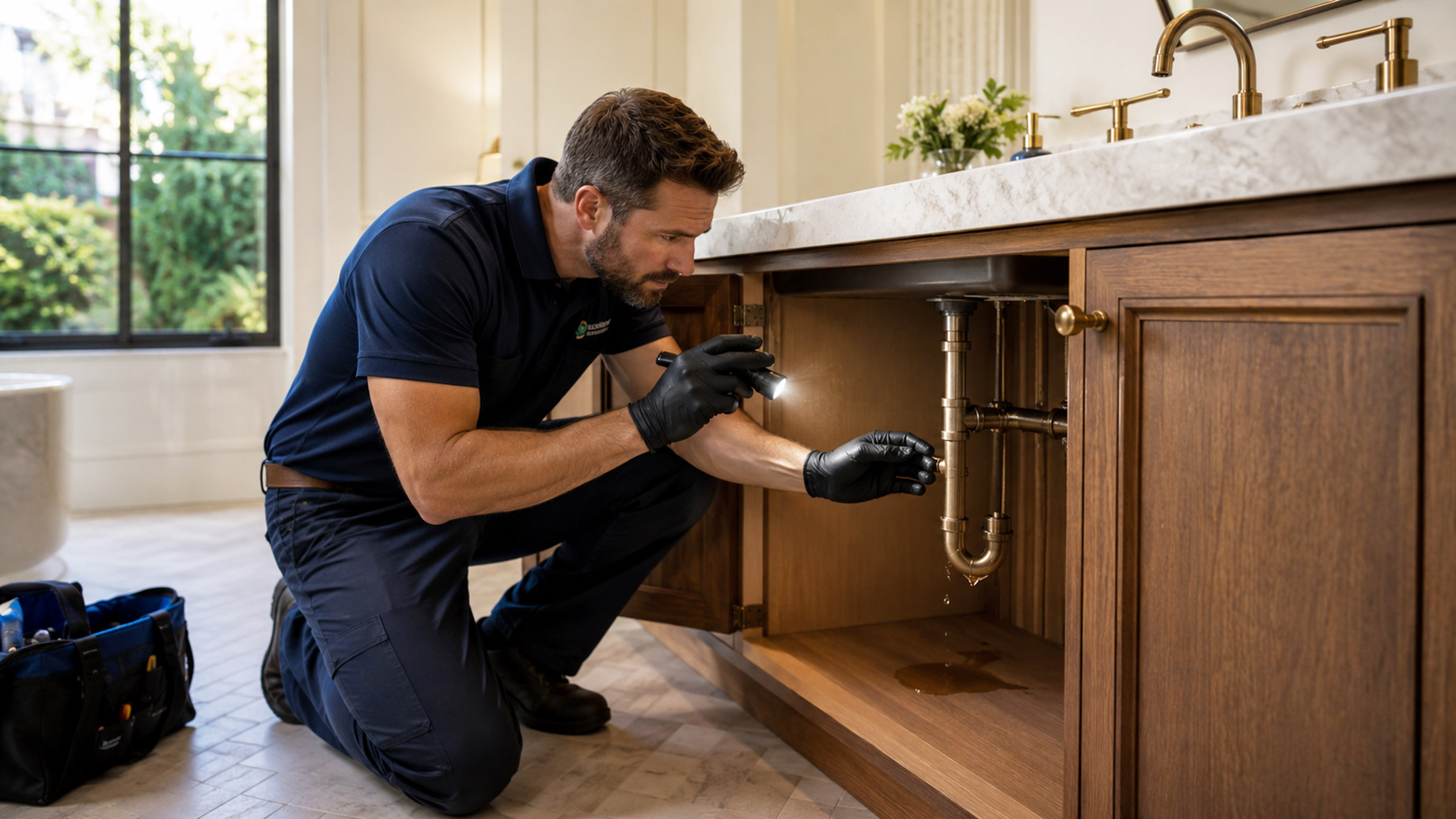
Most homeowners rarely think about their plumbing systems until something stops working properly. A leaking faucet, slow drain, or unusual pipe noise often seems like a small inconvenience rather than a serious issue. However, plumbing systems usually give subtle warning signs long before major failures occur inside walls, ceilings, or underground lines.
Minor plumbing problems can quietly develop into expensive structural damage when left unresolved for too long. Small leaks may weaken flooring, increase moisture levels, and create hidden damage behind surfaces homeowners rarely inspect. In many cases, the visible plumbing issue represents only a small part of a larger developing problem.
Modern plumbing systems are designed to function efficiently for many years, but regular wear, seasonal temperature changes, and aging materials gradually affect performance. Companies such as Liquid Copper Plumbing often encourage homeowners to pay attention to smaller plumbing concerns early because preventative maintenance usually costs far less than emergency structural repairs later.
Slow Drains Often Indicate More Than Simple Clogs
Many homeowners treat slow drains as minor annoyances rather than potential warning signs of larger plumbing restrictions. While small blockages near sinks or tubs are common, recurring drainage problems can point toward deeper issues developing within the plumbing system itself. Grease buildup, soap residue, hair accumulation, and mineral deposits gradually narrow pipe interiors over time.
Drain problems that affect multiple fixtures simultaneously may indicate issues further down the main sewer line. Water backing up into lower drains or toilets can signal developing obstructions that require professional inspection before more serious backups occur. Ignoring these symptoms often allows pressure and buildup to worsen gradually.
Professional plumbers use specialized equipment to evaluate drain performance more accurately than temporary chemical treatments alone. Identifying the actual source of recurring clogs helps homeowners avoid repeated short-term fixes that fail to address the underlying problem.
Pipe Noises Can Reveal Pressure or Airflow Problems
Plumbing systems should generally operate quietly under normal conditions. Banging, rattling, whistling, or vibrating pipes often indicate changes in water pressure or airflow developing inside the system. These sounds may seem harmless initially but can point toward conditions that place stress on pipes and fittings.
Water hammer is one common issue that occurs when flowing water suddenly changes direction or stops abruptly inside pipes. This pressure shock can gradually weaken joints, valves, and mounting hardware throughout the plumbing system. Loose pipes may also shift repeatedly behind walls, increasing wear over time.
Whistling fixtures sometimes indicate mineral buildup restricting water flow inside valves or faucets. Reduced water pressure combined with unusual sounds may suggest aging plumbing components beginning to deteriorate internally. Early inspection often prevents more significant plumbing failures later.
Hidden Leaks Frequently Cause Structural Damage
One of the most expensive aspects of plumbing problems involves water damage that develops out of sight. Small leaks behind walls, beneath flooring, or around appliance connections can continue for months before homeowners notice visible symptoms. During that time, moisture may slowly weaken wood, drywall, insulation, and subflooring materials.
Discoloration on ceilings or walls often appears only after moisture has already spread through surrounding structural areas. Musty odors, warped flooring, or peeling paint may also indicate hidden leaks developing behind finished surfaces. These signs should never be ignored because ongoing moisture exposure creates ideal conditions for mold growth.
Homeowners sometimes focus only on repairing visible cosmetic damage without investigating the plumbing source itself. Professional leak detection helps identify the origin of moisture problems before repairs begin. Experienced companies like Liquid Copper Plumbing often use advanced inspection methods to locate hidden leaks while minimizing unnecessary damage to surrounding areas.
Water Pressure Changes Often Signal System Imbalances
Sudden changes in water pressure can reveal developing plumbing concerns throughout the home. Weak water flow may indicate pipe corrosion, mineral buildup, hidden leaks, or partially closed valves affecting system performance. In some cases, pressure fluctuations stem from larger municipal supply issues, but internal plumbing conditions often contribute as well.
Excessively high water pressure creates its own risks. Constant pressure strain places stress on pipes, fixtures, seals, and appliance connections throughout the plumbing system. Over time, this added force increases the likelihood of leaks or premature component failure.
Experienced professionals understand how pressure regulators, valves, and pipe materials interact together within residential plumbing systems. Homeowners seeking an experienced Ottawa Plumber often request inspections after noticing inconsistent pressure because early adjustments can prevent larger repair issues from developing later.
Seasonal Temperature Changes Affect Plumbing Performance
Cold weather places additional stress on residential plumbing systems, especially in regions where freezing temperatures remain common during winter months. Pipes located near exterior walls, crawlspaces, or poorly insulated areas face increased risk of freezing when temperatures drop significantly.
Frozen pipes can expand under pressure and eventually crack or burst if water flow becomes restricted completely. Even small fractures may lead to substantial water damage once pipes thaw and pressure returns to normal. Proper insulation and preventative maintenance help reduce these seasonal risks considerably.
Seasonal temperature changes also affect water heaters and drainage systems. Sediment buildup inside water heaters may reduce efficiency over time while increasing strain on heating components. Routine maintenance helps plumbing systems operate more reliably throughout changing seasonal conditions.
Fixture Wear Gradually Reduces Plumbing Efficiency
Faucets, toilets, and shutoff valves experience regular daily use that gradually affects internal components. Worn seals, aging cartridges, and deteriorating washers may initially create only small drips or inconsistent operation. However, these minor problems often worsen steadily when left unaddressed.
Leaking fixtures contribute to unnecessary water waste while increasing utility costs over time. Running toilets, for example, may waste large amounts of water each day without producing obvious visible flooding. Small fixture repairs performed early usually remain far less expensive than replacing damaged surrounding materials later.
Modern plumbing fixtures also improve efficiency significantly compared to older models. Updated fixtures can reduce water consumption while improving reliability and performance throughout the home. Liquid Copper Plumbing regularly advises homeowners to combine preventative maintenance with efficient fixture upgrades to improve long-term plumbing performance.
Preventative Maintenance Helps Avoid Emergency Repairs
Emergency plumbing problems often develop after smaller warning signs have already been present for some time. Routine inspections allow professionals to identify worn components, drainage concerns, pressure irregularities, and hidden leaks before serious failures occur. Preventative maintenance reduces the likelihood of sudden water damage and unexpected repair expenses.
Many homeowners delay plumbing inspections because systems appear functional on the surface. However, hidden deterioration may continue developing quietly behind walls or beneath flooring without obvious symptoms initially. Early detection remains one of the most effective ways to preserve both plumbing performance and structural integrity.
Working with a trusted Ottawa Plumber helps homeowners maintain safer and more reliable plumbing systems over the long term. Consistent maintenance, timely repairs, and professional evaluations all contribute to preventing larger issues while protecting the comfort and condition of the home.
