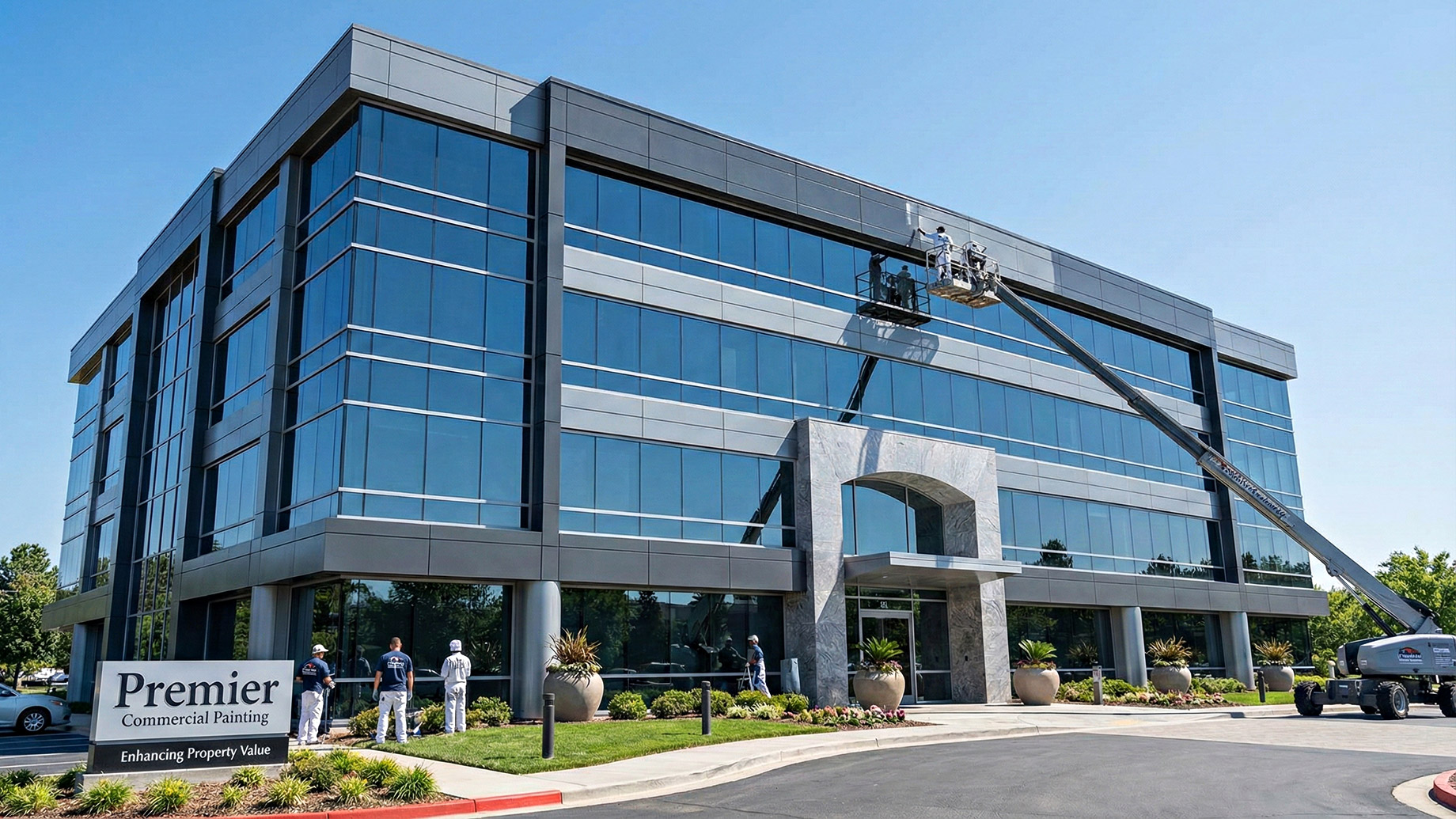
In competitive real estate and commercial property markets, first impressions are not a minor detail. They directly influence leasing decisions, brand perception, and long-term asset value. While location and layout matter, the visual condition of a building is often the first and most lasting signal of quality to tenants, investors, and customers.
Professional commercial painting is one of the most cost-effective ways to protect and elevate a property’s value. When done correctly, it goes far beyond aesthetics, supporting durability, safety, and market positioning.
Below is a closer look at how strategic commercial painting plays a critical role in maximizing property value and why experienced professionals make a measurable difference.
Why Appearance Plays a Direct Role in Property Valuation
A building’s appearance sets expectations before anyone walks through the door. Faded exteriors, peeling paint, or dated color schemes can signal neglect, even when the structure itself is sound.
For commercial properties, visual condition impacts:
- Tenant confidence and retention
- Perceived quality of management
- Brand credibility for businesses operating inside
- Appraisal outcomes and resale potential
Modern, well-maintained finishes suggest professionalism, stability, and long-term care. This perception directly influences how much tenants are willing to pay and how attractive the property is to prospective buyers.
Commercial Painting as Preventive Maintenance
Paint is not just decorative. It is a protective barrier.
Professional-grade coatings shield surfaces from:
- Moisture intrusion
- UV exposure
- Temperature fluctuations
- Chemical and environmental wear
Exterior coatings help prevent wood rot, corrosion, and masonry deterioration. Interior coatings protect drywall, metal, and concrete from daily wear in high-traffic areas.
By investing in quality paint systems and proper surface preparation, property owners reduce long-term maintenance costs and extend the lifespan of critical building materials. This proactive approach is a strong value signal during inspections and negotiations.
Color Strategy and Its Impact on Tenant Appeal
Color selection is more than a design preference. It influences mood, productivity, and brand alignment.
In commercial spaces:
- Neutral, modern palettes appeal to a broader tenant base
- Strategic accent colors enhance wayfinding and usability
- Brand-aligned interiors strengthen tenant identity
Professional painters work with property managers and designers to select colors that balance longevity with modern appeal. The right palette minimizes the need for frequent updates while keeping spaces competitive in the market.
Compliance, Safety, and Professional Standards
Commercial properties must meet stricter standards than residential spaces. Professional painting contractors understand the regulatory and operational requirements that affect commercial environments.
This includes:
- Proper handling of industrial coatings
- Compliance with safety and environmental regulations
- Use of low-VOC or specialized paints when required
- Coordinating work to minimize disruption to tenants
Meeting these standards protects owners from liability and ensures projects pass inspections without costly delays. Properties that demonstrate compliance and professionalism are more attractive to institutional buyers and long-term investors.
Interior Painting and Tenant Retention
Tenant turnover is expensive. One of the most effective ways to encourage lease renewals is maintaining interiors that feel clean, modern, and well cared for.
Fresh, professionally applied paint:
- Refreshes common areas and workspaces
- Improves lighting reflectivity
- Enhances cleanliness and air quality perception
When tenants feel proud of their space, they are more likely to stay. Reduced vacancy rates and consistent occupancy directly support property valuation and income stability.
Exterior Painting and Curb Appeal
Exterior appearance has a powerful effect on property value, especially for retail centers, office parks, and mixed-use developments.
A professionally painted exterior:
- Enhances curb appeal and visibility
- Reinforces brand presence
- Signals proactive maintenance to investors
High-quality exterior paint systems also withstand weather exposure better, preserving appearance longer and reducing the frequency of repainting. This durability translates into lower operating costs and stronger long-term returns.
The Difference Professional Commercial Painting Makes
Not all painting projects deliver the same results. The difference between a short-term refresh and a long-term value investment lies in experience, materials, and execution.
Professional contractors provide:
- Thorough surface preparation
- Proper coating selection for each substrate
- Skilled application techniques
- Project management tailored to active commercial spaces
For property owners seeking lasting results, working with experienced providers of commercial painting services ensures that every layer contributes to both appearance and performance.
Painting as Part of a Long-Term Asset Strategy
Savvy property owners view commercial painting as part of a broader asset management plan, not a one-off expense.
Scheduled repainting:
- Preserves building integrity
- Maintains competitive positioning
- Supports consistent rental income
When aligned with capital improvement planning, painting becomes a strategic tool for value creation rather than reactive maintenance.
Final Thoughts
Professional commercial painting is one of the most efficient ways to elevate property value while controlling long-term costs. From first impressions to structural protection, the impact reaches far beyond the surface.
In markets where tenants and investors have choices, well-maintained, professionally painted properties stand out. They communicate quality, care, and confidence, all of which directly influence financial performance and long-term success.
For owners and managers focused on maximizing the return on their commercial assets, painting done right is not optional. It is essential.
