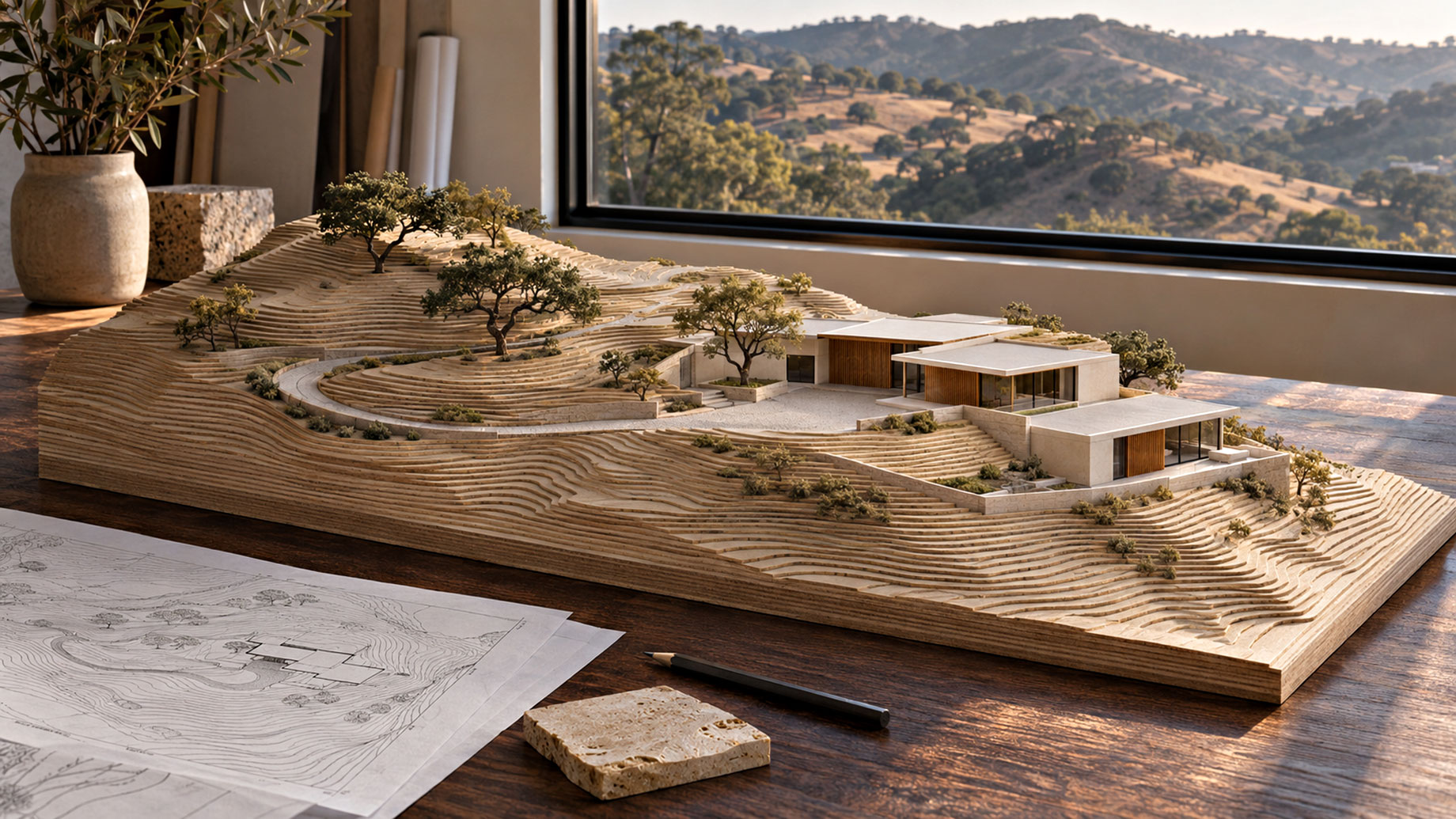
The luxury real estate market is going through a structural transition in valuation metrics, moving away from simple square-footage evaluations toward long-term asset security and architectural differentiation.
According to data from the Coldwell Banker Global Luxury report, luxury single-family homes in the United States rose 3% over the previous year, with overall sales increasing by 4% even as standard housing segments experienced interest rate pressures. This statistical divergence highlights a pattern among high-net-worth buyers to treat prime land and residential real estate as a resilient mechanism for long-term wealth preservation.
For industry specialists who navigate these high-value spaces, the execution of a multi-million-dollar asset requires a comprehensive plan that combines historical design principles with strict project management from inception to liquidation. Los Angeles-based architectural designer and project planner Shirin Amin says that premium asset development requires moving past a strictly technical mindset.
“Architecture is more than a technical profession. It is a discipline that expands your vision and perception of life, helping you become more multidimensional,” she explains.
This comprehensive perspective is frequently tested by the lengthening timelines associated with municipal approvals and high-end construction management. A 2026 residential development analysis by Savills indicates that the average timeline required to secure municipal planning decisions for intricate, high-value residential builds has expanded globally, necessitating project managers who can oversee regulatory compliance without compromising structural intent. Within this climate, successful real estate outcomes are dependent on a professional’s ability to control all phases of development, including land acquisition, permit navigation, layout optimization, and design execution.
A clear example of this multi-phase operational requirement is found in a landmark $44 million land development project that concluded in the premium residential industry. The transaction initiated with the acquisition of a high-value parcel intended for a custom estate.
“When working on a project from inception to completion, success relies on balancing function, style, practicality, and creative expression. Every decision must have a purpose,” says Amin.
The balance between creative freedom and structural precision is a result of a professional’s background. Amin’s career includes classical architectural training at the University of Tehran and the École d’Architecture de Versailles in Paris, combined with exposure to organic and abstract design methodologies at the Southern California Institute of Architecture. She also studied art for six years with a Toronto-based instructor named Mr. Nami. This variation in regional training highlights why experienced developers view site layouts as interconnected financial and aesthetic systems instead of isolated construction tasks.
“In classical design, you learn the foundational history and symmetry. When you combine that with abstract creative freedom, you learn to defend every line you draw and become less afraid of creating completely new ideas,” says Amin.
Ultimately, contemporary multi-million dollar real estate transactions reveal that value is generated long before the physical structure is completed. By maintaining rigid corporate standards in agricultural asset management, stock investments, and land development, modern planners demonstrate that mitigating regulatory risk during the early permit phases is what secures premium valuations upon final sale.
