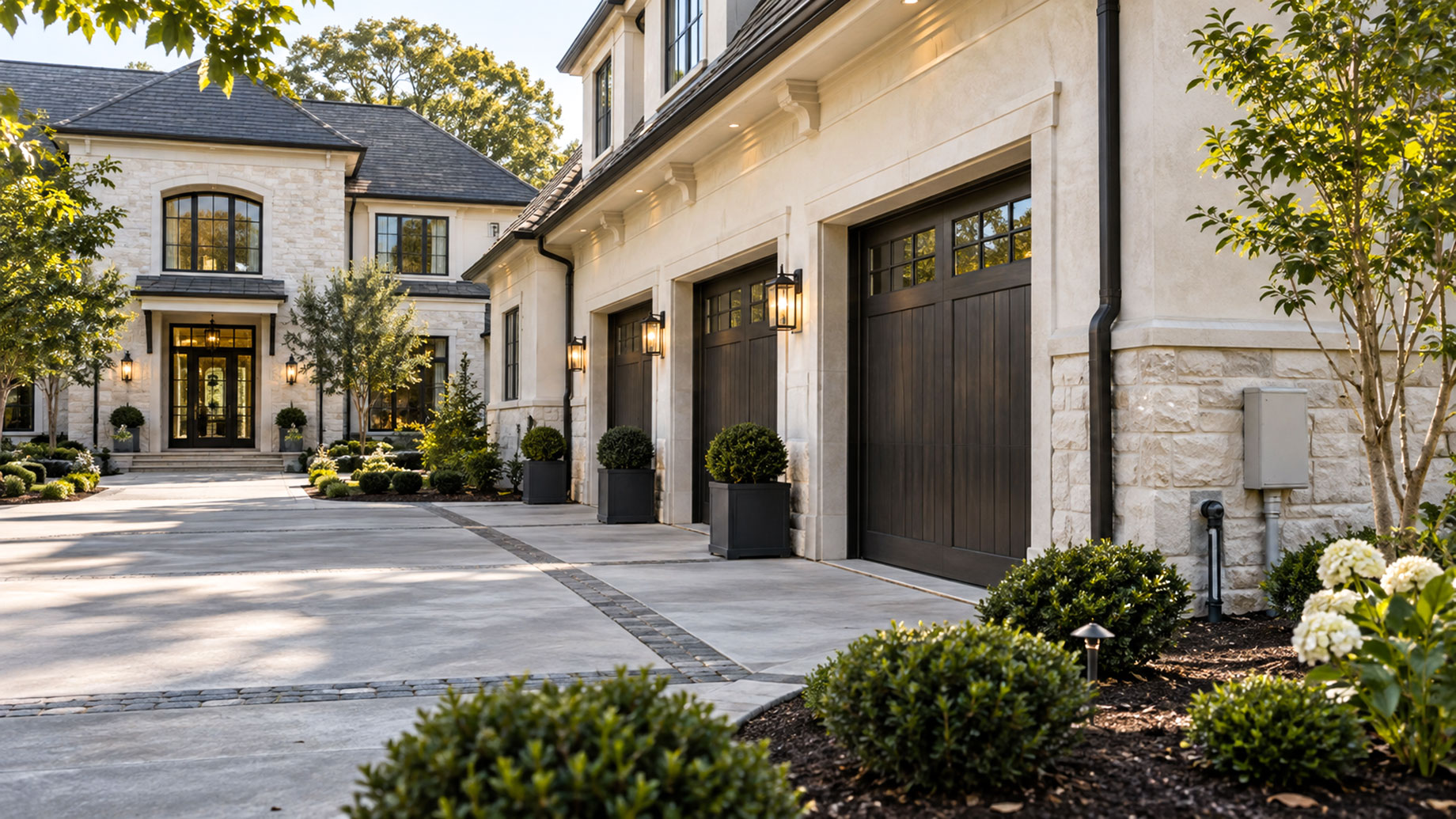
High-end architecture rarely accommodates pest prevention as an afterthought, and it shouldn’t have to. A rodent problem in a luxury home isn’t just a nuisance, it’s a direct threat to custom millwork, imported finishes, and the kind of design details that took months to get right. The good news is that rodent prevention and architectural integrity aren’t actually in conflict. The strategies that keep mice and rats out of a high-value property tend to be discreet by nature, sealed gaps, organized storage, careful landscaping, none of which require compromising the look a homeowner and their designer worked hard to achieve.
Where Rodents Actually Get In on Larger Properties
Luxury homes often present more entry opportunities than a standard residence simply because there’s more building to manage. Garages, particularly oversized or multi-bay garages built for car collections, frequently have larger door spans that are harder to seal perfectly across their full width. Roofline features common in high-end architecture, decorative dormers, complex eave details, multiple roof valleys, create additional seams and penetrations where rodents can exploit a gap that a simpler roofline wouldn’t have in the first place.
Utility penetrations multiply on a larger property too. More plumbing runs, more electrical conduit, more HVAC lines connecting a main house to detached structures, all mean more places where a gap around a pipe or cable was never properly closed during construction. Landscaped areas, especially mature plantings positioned close to a structure for aesthetic reasons, can inadvertently create the kind of cover rodents use to approach a foundation undetected. None of this reflects poor design so much as the natural tradeoff that comes with more square footage and more architectural complexity.
Sealing That Doesn’t Show
The instinct with rodent prevention is often to picture obvious fixes, bulky door sweeps, visible mesh over vents, functional but unattractive hardware. On a luxury property, none of that is necessary. Discreet sealing methods exist for nearly every common entry point, and most integrate cleanly into existing architectural details rather than sitting on top of them.
Custom-fitted door sweeps color-matched to garage doors close gaps without drawing the eye. Copper or stainless mesh, rather than standard hardware cloth, can seal vent openings and roofline gaps while holding up to weather and complementing higher-end exterior materials. Foam and steel wool combinations packed behind trim or millwork close utility penetrations without requiring any visible modification to the finished surface. Homeowners working with a designer on new construction or a major renovation have the advantage of building these details in from the start, sealing penetrations before finish work goes on rather than retrofitting around completed trim. Properties where rodent activity has already appeared despite reasonable upkeep often benefit from Baton Rouge rodent control services that specialize in this kind of discreet exclusion work, since identifying which of dozens of potential entry points is the actual culprit takes a trained eye rather than guesswork.
Landscaping That Looks Intentional and Still Discourages Rodents
Mature landscaping is often central to a luxury property’s overall design, and homeowners understandably don’t want to strip plantings back to bare mulch beds for the sake of pest prevention. Fortunately, the adjustments that matter most are subtle rather than drastic. Keeping dense shrubs and hedges trimmed a foot or so away from exterior walls, rather than allowing them to grow flush against siding or stone, removes the direct cover rodents use to approach a foundation while barely affecting how a landscape reads visually.
Mulch depth matters more than most homeowners realize. Beds kept to a modest two or three inches, rather than piled deep against a foundation, offer far less nesting material and insulation than heavier mulch application, without any visible difference from a design standpoint. Ornamental grasses and dense ground cover, popular in many high-end landscape designs, deserve periodic checks underneath for burrow openings, since these plantings can hide rodent activity effectively even when properly maintained on the surface. None of these adjustments require abandoning a landscape architect’s vision. They simply shape a handful of maintenance details within it.
Guest Structures and Detached Buildings Carry Their Own Risk
Pool houses, guest cottages, garages built separately from the main residence, and outbuildings used for storage or recreation all introduce additional structures with their own foundations, rooflines, and utility connections, each requiring the same attention as the primary residence. These spaces are often used intermittently, which means rodent activity inside them can go unnoticed far longer than it would in daily living areas.
A guest house occupied only a few weeks a year is particularly vulnerable, since months of disuse give rodents ample time to establish a presence before anyone notices. Checking these structures on a set schedule, rather than only before guests arrive, catches problems while they’re still limited to a small area rather than allowing them to spread into stored furnishings or finishes that would be expensive to replace.
Organized Storage That Supports Both Function and Prevention
Storage spaces on larger properties, wine cellars, equipment rooms, seasonal storage in a garage or outbuilding, tend to accumulate items that sit untouched for extended stretches. That stillness is exactly what rodents look for, since undisturbed storage provides shelter with minimal risk of discovery. Organizing these spaces with contents raised off the floor and kept a few inches from walls makes both the room itself and any developing rodent activity easier to spot during a routine check.
Material choice plays a role here as well. Cardboard boxes, even attractive ones used for seasonal decor or off-season textiles, offer both food value and nesting material that sealed, rigid containers simply don’t provide. Swapping to appropriate storage containers is a low-effort change that reduces risk without affecting how a space looks or functions day to day.
Building Routine Inspection Into Low-Traffic Spaces
The spaces most likely to develop unnoticed rodent activity are, almost by definition, the ones people visit least often. Attics, crawl spaces, mechanical rooms, and the far corners of a large garage all fit this pattern, and on a bigger property, there are simply more of these low-traffic areas to account for. A few practices help keep these spaces on a regular check schedule rather than being overlooked entirely:
- Walk attics, crawl spaces, and mechanical rooms monthly, checking for droppings, gnaw marks, or disturbed insulation
- Inspect guest structures and outbuildings on a set schedule regardless of occupancy, rather than only before use
- Review garage corners and storage areas for signs of nesting material or chewed packaging
- Check roofline vents and eave details seasonally, since these areas are difficult to see from ground level and easy to overlook
Consistency matters more than frequency here. A property with several structures and expansive storage benefits from a written schedule that assigns responsibility for these checks, whether to household staff, a property manager, or the homeowner directly, since informal “someone will notice eventually” approaches tend to let activity go unaddressed for longer than intended.
When Hidden Activity Calls for Professional Assessment
Even with careful sealing, thoughtful landscaping, and organized storage, larger properties occasionally develop rodent activity in spaces too complex or extensive for a homeowner to fully assess alone. Signs like droppings appearing in a location without any obvious food source nearby, scratching sounds within a wall or ceiling cavity, or damage to stored items in a rarely used space all suggest activity that’s already established rather than a simple entry point waiting to be sealed.
At that stage, professional evaluation becomes the more efficient path forward. Baton Rouge rodent control services with experience assessing larger, architecturally complex properties can trace activity back to its actual source, whether that’s a gap in a decorative roofline feature, a utility chase connecting multiple structures, or a landscaped area providing more cover than it appears to from the outside, without requiring invasive changes to finished spaces in the process.
Final Analysis
Rodent prevention on a luxury property doesn’t have to mean visible hardware, stripped-back landscaping, or compromises to a home’s architectural character. Discreet sealing methods, thoughtful landscape maintenance, well-organized storage, and a consistent inspection routine for low-traffic spaces address the same entry points and conditions that matter on any property, just applied with more attention to how a solution integrates into a larger, more complex design. Homeowners who build these habits into regular property maintenance, and bring in professional support when hidden or recurring activity calls for it, can protect a high-value home without sacrificing the aesthetic choices that made it worth protecting in the first place.
