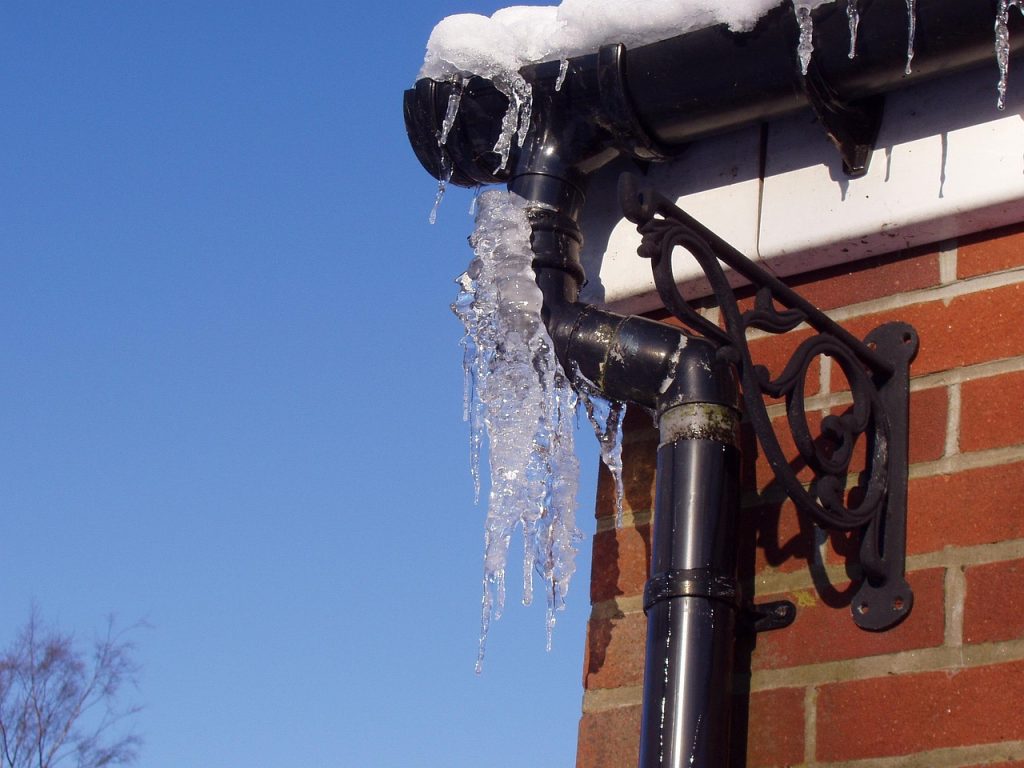
Toronto’s winter temperatures regularly plunge below freezing, creating conditions where water inside pipes freezes and expands. This expansion generates immense pressure — enough to rupture copper, PEX, or steel piping. The real damage often occurs during thawing when ice blockages prevent water from escaping through cracks, causing flooding once ice melts and pressure releases.
High-Risk Locations
Pipes in unheated spaces face greatest freeze risk — crawl spaces, attics, garages, and exterior walls lacking proper insulation. Outdoor hose bibs, swimming pool supply lines, and sprinkler systems require complete drainage before winter. Northern exposures receive less solar warming, making north-facing exterior walls particularly vulnerable. POM Plumbing identifies these high-risk zones during seasonal inspections, recommending insulation upgrades or heat trace cable installation before temperatures drop.
Prevention Strategies
Insulation provides the primary defense against frozen pipes Toronto conditions. Foam pipe sleeves, fiberglass wrapping, or heat tape protect exposed piping in vulnerable locations. Heat trace cables offer active protection, maintaining pipe temperatures above freezing through electrical resistance heating.
Maintaining interior temperatures above 15°C throughout properties prevents freeze conditions. Opening cabinet doors under sinks allows warmer room air to circulate around pipes. Allowing faucets to drip during extreme cold keeps water moving — moving water requires lower temperatures to freeze than static water. Sealing air leaks around pipes eliminates cold air pathways.
Read more: How to Prepare Your Vacation Home’s Pipes for the Winter
Emergency Response
Discovering frozen pipes demands immediate action. Shut off the main water supply to prevent flooding when thawing begins. Open affected faucets to relieve pressure and provide an outlet for water during thawing. Safe thawing methods include hair dryers, heat lamps, or hot towels applied to accessible pipe sections. Pomplumbing.ca provides emergency thawing services using professional equipment safely warming pipes without damage risk.
If pipes burst, shut off electricity to affected areas if water contacts outlets or appliances. Remove standing water promptly to prevent mold growth, which begins within 24-48 hours. POM Plumbing responds to burst pipe emergencies with rapid assessment and permanent replacement once conditions stabilize.
Long-Term Protection
Properties experiencing repeated freeze problems require comprehensive solutions—rerouting pipes away from exterior walls, upgrading insulation, or installing circulation systems maintaining water movement during extreme cold. Seasonal preparation includes disconnecting garden hoses, draining outdoor faucets, and verifying heat trace cable functionality. POM Plumbing offers winterization services preparing properties for cold weather before temperatures drop.
Conclusion
Frozen pipes represent predictable winter threats in Toronto’s climate, yet remain largely preventable through proper insulation, heating strategies, and vigilant monitoring. Professional assessment identifies vulnerabilities before problems develop, while emergency response capabilities minimize damage when prevention measures prove insufficient during extreme cold snaps.