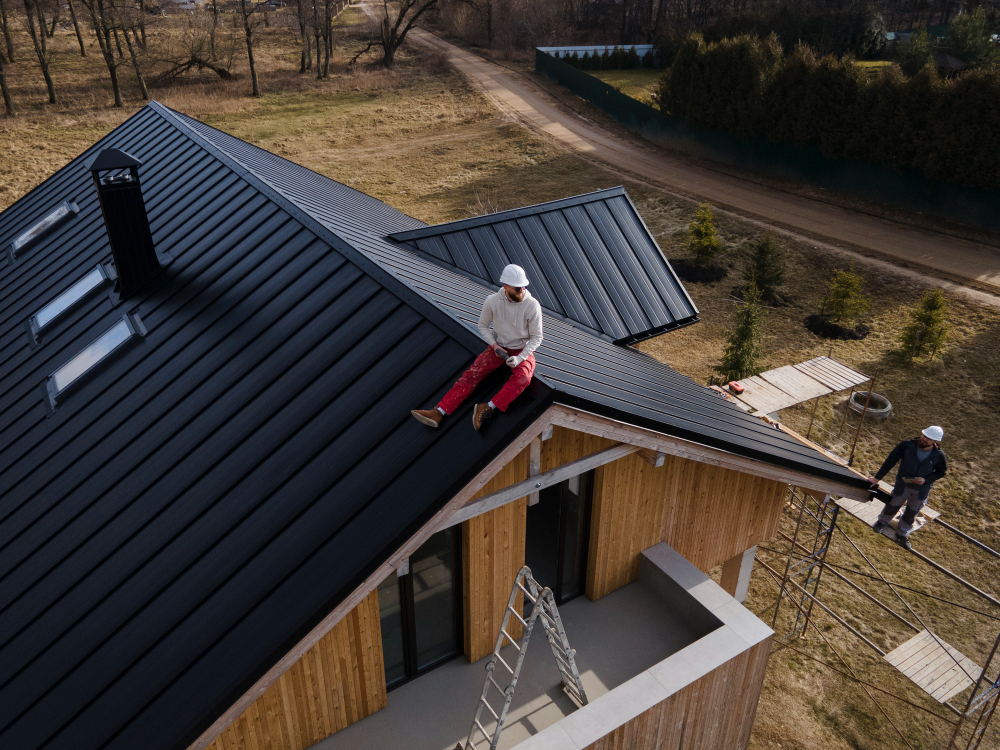
For most homeowners, the roof only becomes a real consideration when it needs replacing. That’s usually when questions start coming up, like the cost to replace tile roof with Colorbond, and suddenly what felt like a background detail turns into a major decision.
In higher-end homes, that decision carries more weight than people expect. The roof isn’t just there to keep water out. It affects how the home looks, how it handles heat, and how much maintenance it will need over time. Let’s explore how to choose the right roof for your home.
Start With the Style of the Home
The first step isn’t the material. It’s the shape and style of the home itself. Modern homes around Brisbane tend to suit low-pitched or flat rooflines. They keep things clean and simple. Traditional homes, or those with more detail in the facade, usually work better with a steeper pitch and a bit more structure in the roof.
Where people run into trouble is mixing the two. A modern home with a bulky, traditional roof can feel unbalanced. The same goes for a classic home paired with a flat metal roof that doesn’t quite fit. Before anything else, the roof needs to match the architecture. That’s what holds the whole look together.
Then Look at the Material
Once the shape is right, the material choice becomes a lot clearer. Colorbond is the most common option we work with on newer homes and replacements. It suits modern designs, it’s lighter on the structure, and it performs well in Queensland conditions. It also gives a consistent finish, which works nicely on homes with simpler lines.
Tile still has its place. On larger homes, especially where you want a bit more texture, it can work well. But it does come with more weight and usually more upkeep over time. Slate sits at the higher end. It lasts, it looks good for a long time, but it needs the right structure and budget to support it. There’s no universal best option here. It comes down to what fits the home and how much ongoing work you’re comfortable with.
Think About the Climate Early
In Brisbane and coastal areas, climate isn’t something you can work around later. Heat, humidity, and heavy rain all affect how a roof performs. A design that doesn’t allow for proper drainage or ventilation will cause issues, no matter how good it looks initially.
Metal roofing, installed properly, handles rain well and works effectively with insulation to manage heat. Tiled roofs can still perform, but they need more attention to sealing and maintenance, especially after storms. These are the kinds of things that are easier to get right at the start than fix later.
Read more: The Strategic Cost of a New Roof for Your Luxury Home
Consider the Long-Term Maintenance
This is where a lot of decisions shift. Some materials look great on day one but need more regular attention to keep them that way. Others are simpler to maintain but might not suit every style of home.
We often speak to homeowners who are weighing up whether to keep repairing an older tiled roof or replace it altogether. That’s usually when the conversation moves beyond upfront cost and into how much time and effort the roof will need over the next ten or twenty years.
In many cases, switching to a lower-maintenance option like Colorbond makes sense. But again, it needs to suit the home.
How the Roof Affects Value
In luxury homes, presentation matters. A roof that looks tired, mismatched, or poorly maintained can affect how the entire property is perceived. Buyers might not always call it out directly, but they notice when something doesn’t feel right.
On the other hand, a well-chosen roof helps the home present as complete. It doesn’t draw attention, but it supports everything else. That’s often the difference between a home that feels finished and one that feels like something was missed.
When Replacement Is the Better Option
There’s a point where ongoing repairs stop being practical. We see this a lot with older tiled roofs that have been patched multiple times. At that stage, replacement usually gives a better long-term outcome.
That’s when homeowners start looking more closely at options, weighing up cost, performance, and how the new roof will change the look of the home. The right choice here can lift the property overall. A rushed one tends to do the opposite.
Final Thoughts
Choosing the right roof isn’t just about picking a material or comparing quotes. It’s about making sure the roof suits the home, performs well in local conditions, and doesn’t become a problem down the track.
When those things are lined up properly, the roof does what it’s meant to do. It protects the home, supports the design, and stays out of the way.