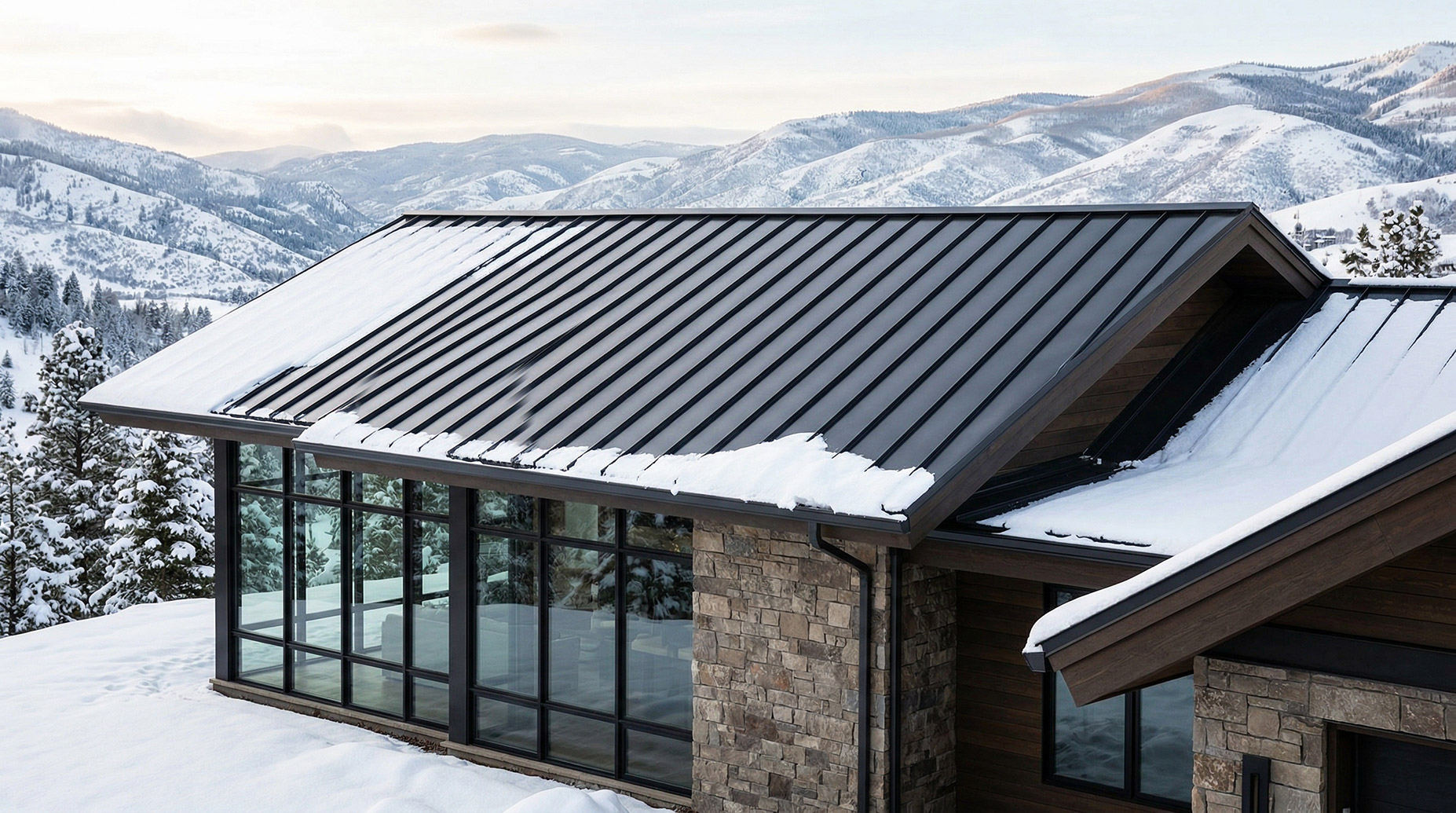
When living in areas that experience heavy snow, choosing the best roof for snow is crucial to ensure your home remains safe and secure throughout the winter months.
Snow can put a lot of strain on your roof, and not all roofing materials are created equal when it comes to handling snow accumulation, ice dams, and freezing temperatures.
In this guide, we’ll break down the best roofing materials for snow and discuss the factors you should consider when selecting the perfect roof to protect your home during snowy conditions.
Why Choosing the Right Roof for Snow is Important
Winter snow brings a unique set of challenges for homeowners.
Snow accumulation can add significant weight to your roof, leading to potential damage, leaks, or even roof collapse in extreme cases.
Additionally, ice dams can form along the eaves, blocking water from draining off the roof and causing leaks into your home.
Therefore, choosing a roofing material designed to withstand snow and ice is essential for preventing costly repairs and ensuring your roof lasts for years.
Top 5 Best Roofs for Snow and Cold Weather
Let’s dive into the best roofing materials for snow, considering their performance during snowy and icy conditions:
1. Metal Roofing
Metal roofs are widely regarded as one of the best roofs for snow due to their excellent performance in winter weather. Here’s why:
- Snow Shedding: Metal roofs are smooth and have a low friction surface, allowing snow and ice to slide off easily. This reduces the risk of snow buildup, which can lead to dangerous situations such as collapsed roofs.
- Durability: Metal roofs are highly durable, resistant to both heavy snow and ice. They are also more resistant to corrosion from ice and snowmelt than other materials.
- Energy Efficiency: Metal roofs reflect heat, which can help prevent the formation of ice dams by reducing the amount of heat lost from your attic. This keeps the temperature of the roof consistent and minimizes the risk of snow melting and refreezing.
Best Types of Metal Roofing for Snow:
- Standing Seam Metal Roofs: These roofs are particularly effective at shedding snow and ice because of their smooth, vertical seams.
- Corrugated Metal Roofs: These are a more budget-friendly metal option that still offers excellent snow-shedding properties.
2. Asphalt Shingles (with Proper Installation)
While asphalt shingles are a popular and affordable roofing material, they can still be a good choice for snow if installed properly. However, to get the best performance in snow-prone areas, it’s important to consider the following factors:
- Installation and Attic Insulation: Proper installation of asphalt shingles, combined with good attic insulation and ventilation, is key to preventing ice dams. If the attic space gets too warm, it can cause snow on the roof to melt and refreeze at the eaves, leading to water damage.
- Durability: While asphalt shingles are not as snow-friendly as metal roofing, high-quality architectural shingles can still withstand winter weather, offering protection from snow and ice.
Best Practices for Asphalt Shingles in Snow:
- Ensure proper attic ventilation to maintain a consistent roof temperature.
- Use ice and water shields at the eaves to prevent water from seeping under shingles and causing leaks.
3. Slate Roofing
Slate roofing is another excellent option for snowy climates, although it comes with a higher price tag. Slate is a natural stone that offers unmatched durability, longevity, and weather resistance.
- Snow Shedding: Slate roofs are smooth and heavy, which makes them ideal for shedding snow. Snow slides off quickly, preventing large accumulations that could put stress on your roof.
- Longevity and Durability: Slate is extremely durable and can last for decades, making it a long-term investment for homeowners who live in areas with heavy snow.
Considerations for Slate Roofing:
- Slate can be costly and requires professional installation, making it a more expensive roofing option.
- Due to its weight, slate roofing requires a strong roof structure to support the material.
4. Clay or Concrete Tiles
Clay and concrete tiles are commonly found in warmer climates, but they can also be an effective roofing option for areas with snow, especially in regions that experience occasional snowfalls. Here’s how they perform in winter conditions:
- Durability: Clay and concrete tiles are resistant to extreme weather conditions, including snow and ice. They’re known for their strength and longevity.
- Snow Shedding: Similar to slate, clay and concrete tiles have a rough texture and are heavy enough to help prevent the accumulation of snow. However, they don’t shed snow as easily as metal roofing.
Considerations for Clay and Concrete Tiles:
- Fragility: Tile roofs are often more fragile than metal roofs, so if you’re living in an area with heavy snow accumulation, it’s important to be cautious of walking on the roof or allowing large snow buildups.
- Tiles may require additional underlayment to prevent leaks from ice dams or snowmelt.
5. Synthetic Roofing Materials
Synthetic roofing materials, such as rubber roofing or composite shingles, are becoming increasingly popular in snow-prone areas for their durability and snow-shedding capabilities.
- Snow Resistance: Synthetic materials like rubber and composite shingles are designed to be lightweight and have a textured surface that allows snow and ice to slide off more easily.
- Weather Resistance: Synthetic roofing materials are engineered to withstand extreme cold temperatures and resist cracking or warping caused by snow and ice.
Benefits of Synthetic Roofing for Snow:
- Synthetic materials are less expensive than slate or tile.
- They are energy-efficient and can help improve the insulation of your home, reducing the formation of ice dams.
Additional Considerations for Snowy Roofs
While choosing the right roofing material is key to protecting your home from snow and ice, there are a few other important factors to consider, according to roofing company in South Jersey:
- Roof Pitch: A steep roof pitch is ideal for snow-prone areas because it allows snow and ice to slide off easily. Low-pitch roofs tend to accumulate snow, which can cause damage over time.
- Ice Dam Prevention: Even with the best roofing material, ice dams can still form in certain conditions. Make sure your attic is properly insulated and ventilated to maintain the roof’s temperature and prevent the snow from melting and refreezing at the edges.
- Regular Maintenance: Ensure that your gutters and downspouts are clear of debris and ice to allow proper water drainage during snowmelt. Periodic roof inspections will help catch issues early.
Choosing the Best Roof for Snow
Choosing the best roof for snow involves more than just picking a material; you also need to consider factors like roof pitch, insulation, and ventilation.
Metal roofing is often the top choice for snow-heavy regions due to its durability, snow-shedding ability, and energy efficiency.
However, asphalt shingles, slate, clay tiles, and synthetic materials also offer strong performance depending on your budget and aesthetic preferences.
No matter which roofing material you choose, ensuring that your roof is properly installed and maintained will keep it performing well during snowy weather, protecting your home and family from the harsh effects of winter.
