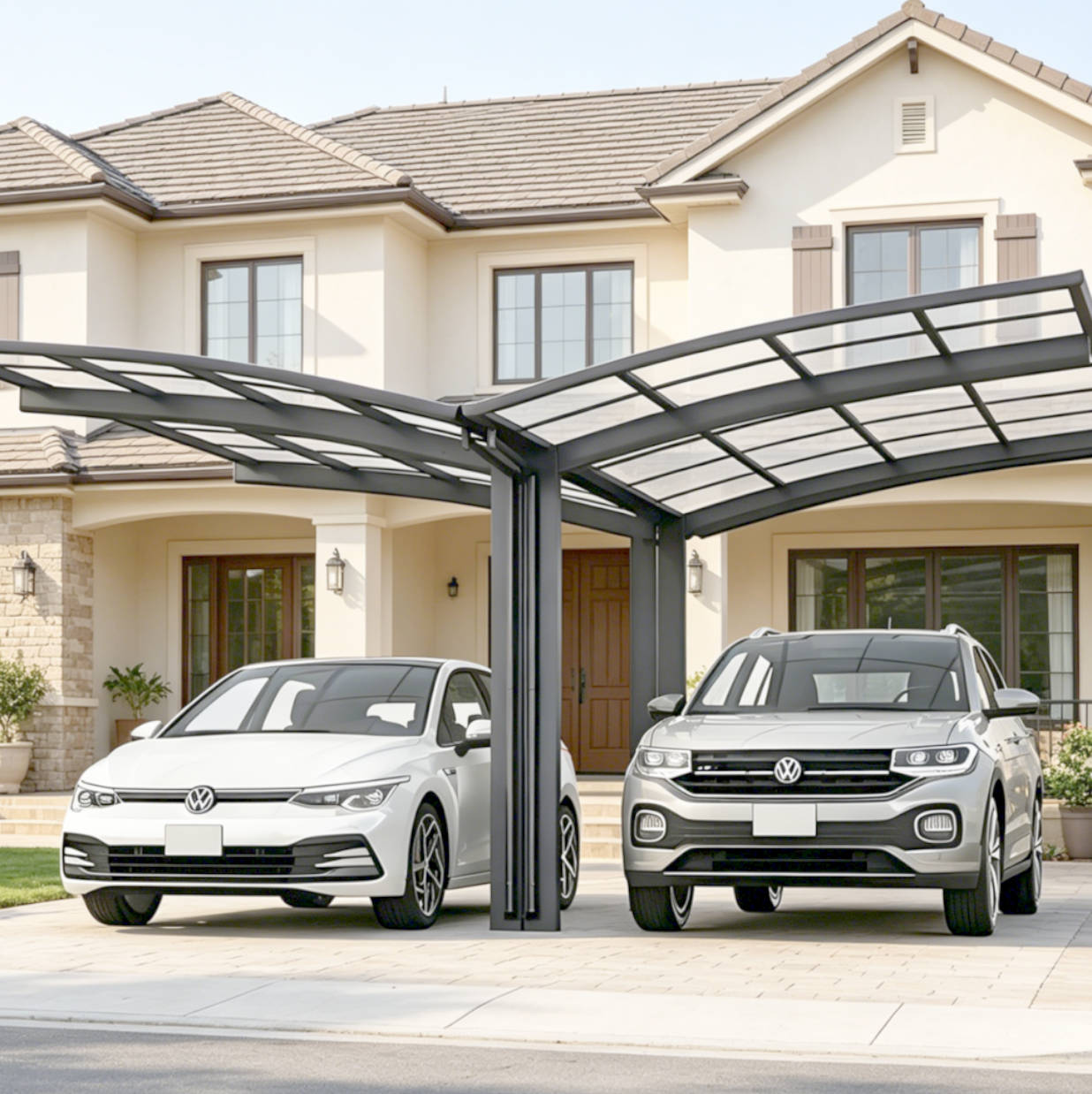
Adding a carport is one of the most cost-effective, high-return home improvements for Australian residential properties. Whether you want to shield your vehicles from harsh Aussie sun, heavy rain, and hailstorms, expand outdoor storage space, or boost your property’s street appeal and resale value, a well-built, code-compliant carport delivers long-term benefits. However, many Australian homeowners make a critical mistake: installing single carport, double carport, or cantilever carport structures using convenient carport kits without fully understanding local council permit rules. Unapproved or non-compliant carport constructions can lead to costly fines, mandatory demolition orders, legal disputes, and significant devaluation of your real estate asset. Mastering Australia’s state and council-specific carport approval regulations is essential to enjoy functional outdoor upgrades while protecting your property investment.
Australian local councils classify all residential carports as Class 10a auxiliary buildings, subject to strict National Construction Code (NCC) standards and regional planning overlay rules that vary across NSW, Victoria, Queensland, WA, SA, and Tasmania. A common misconception among homeowners is that prefabricated carport kits are “permit-exempt” by default. In reality, exemption eligibility depends entirely on the carport type, size, height, placement, and your property’s zoning conditions. Different carport variants—including compact single carport, spacious double carport, and modern cantilever carport—carry distinct approval requirements, making it vital to match your structure choice with council regulations before purchase and installation.
Key Differences Between Single, Double, and Cantilever Carport Kits & Their Permit Risks
Understanding the unique specifications and regulatory thresholds of each carport type is the first step to avoiding non-compliance issues. Ready-to-assemble carport kits are the most popular choice for Australian homeowners due to their affordability, fast installation, and versatile designs, but each kit category comes with specific permit rules that directly impact your real estate compliance status.
1. Single Carport
A single carport is designed to accommodate one standard vehicle, typically covering a floor area of 10–20m² with a maximum height of 2.4–3m. This is the smallest and most commonly permit-exempt carport option across most Australian councils. For residential properties under 300m², a standard single carport kit usually qualifies for exempt development, eliminating the need for full council planning permits, provided it meets strict setback, height, and boundary clearance rules. However, exemptions do not apply if the single carport is located in bushfire zones, heritage conservation areas, coastal overlay zones, or front-yard setback restricted areas. Even small single carport structures require full building approval in these regulated zones, and unapproved builds will compromise your property’s legal compliance and resale value.
2. Double Carport
Built to hold two vehicles, a double carport generally spans 25–50m², making it a high-risk structure for accidental permit non-compliance. Unlike compact single carports, most standard double carport installations exceed exempt development size limits in suburban Australian zones. For properties larger than 300m², rural zones or R5 residential zones may allow up to 50m² exempt structures, but suburban residential areas typically cap exempt auxiliary buildings at 25m². Most double carport kits therefore require formal council building permits and sometimes planning permits, especially when constructed adjacent to property boundaries, attached to the main dwelling, or exceeding 3m in height. Many homeowners mistakenly assume prefabricated double carport kits are fully compliant, only to face post-construction audits that force costly modifications or demolition, severely damaging real estate value.
3. Cantilever Carport
A cantilever carport features a modern bracket-supported, column-free design, with one end fixed to a wall or sturdy post and the other end fully overhanging. This sleek, space-saving design is extremely popular for Australian homes with limited side-yard space, landscaped gardens, or dedicated driveway layouts. Despite its aesthetic and functional advantages, the cantilever carport carries the strictest regulatory scrutiny among all carport types. Its unique overhanging structure alters wind load distribution, boundary encroachment risks, and structural engineering requirements, which means even small-sized cantilever carport kits rarely qualify for full exemption. Most councils require structural engineering certifications and formal building approval for cantilever designs, regardless of size. Additionally, cantilever carports have stricter setback rules to avoid overhanging public land, footpaths, or neighbouring properties, with violations leading to immediate council enforcement action.
Why Non-Compliant Carports Threaten Your Australian Real Estate Value
Many Australian homeowners underestimate the long-term real estate risks of bypassing council permits for carport installations. First, unapproved single carport, double carport, or cantilever carport structures are classified as illegal building works on your property title. During property sales, pre-purchase building inspections and title searches will flag non-compliant structures, forcing buyers to negotiate massive price discounts, terminate contracts entirely, or require you to fund full demolition and remediation.
Second, council compliance audits are random but widespread across suburban and regional Australia. Any unregistered carport built from non-compliant carport kits can trigger infringement notices, penalty fines, and enforceable demolition orders. Unlike minor cosmetic home upgrades, building code violations remain permanently on your property record until rectified, creating ongoing legal liability. In severe cases, repeated non-compliance can affect future renovation applications and property development potential.
Third, insurance coverage is void for unapproved structures. If your single carport, double carport, or cantilever carport sustains damage from Australian extreme weather—including storms, hail, or bushfires—or causes property damage to neighbours, your home insurance policy will refuse claims, leaving you fully liable for all repair and compensation costs.
Simplified Council Permit Navigation for Australian Carport Installations
To upgrade your property safely while protecting your real estate value, follow this compliant process for all carport kit installations, regardless of type.
First, verify your property’s zoning and overlay conditions. Check with your local council to confirm if your land falls within bushfire, flood, coastal, heritage, or road frontage overlay zones, as these areas eliminate most carport exemption rights. Second, match your carport kits specifications to local size and height limits: confirm floor area, maximum height, and boundary setback distances for your chosen single carport, double carport, or cantilever carport model.
Third, engage a licensed building certifier for pre-installation assessment. Certified professionals can confirm whether your carport qualifies for exempt development, complying development, or requires formal permit applications. For cantilever carports and oversized double carports, always obtain structural engineering certificates to meet NCC wind and safety standards, a mandatory requirement for council approval across all Australian states.
Finally, retain all compliance documentation, kit specifications, and approval certificates after installation. These records validate your carport’s legality during property inspections, sales, and council audits, fully safeguarding your real estate investment.
Installing a single carport, spacious double carport, or modern cantilever carport with high-quality carport kits is a brilliant way to enhance Australian residential properties. However, permit compliance is non-negotiable for protecting your real estate value and avoiding legal and financial risks. By understanding the distinct regulatory rules for each carport type, verifying local council requirements upfront, and securing proper approvals or compliance certifications, you can enjoy a functional, durable carport upgrade while keeping your property fully compliant, marketable, and valuable for years to come.
